
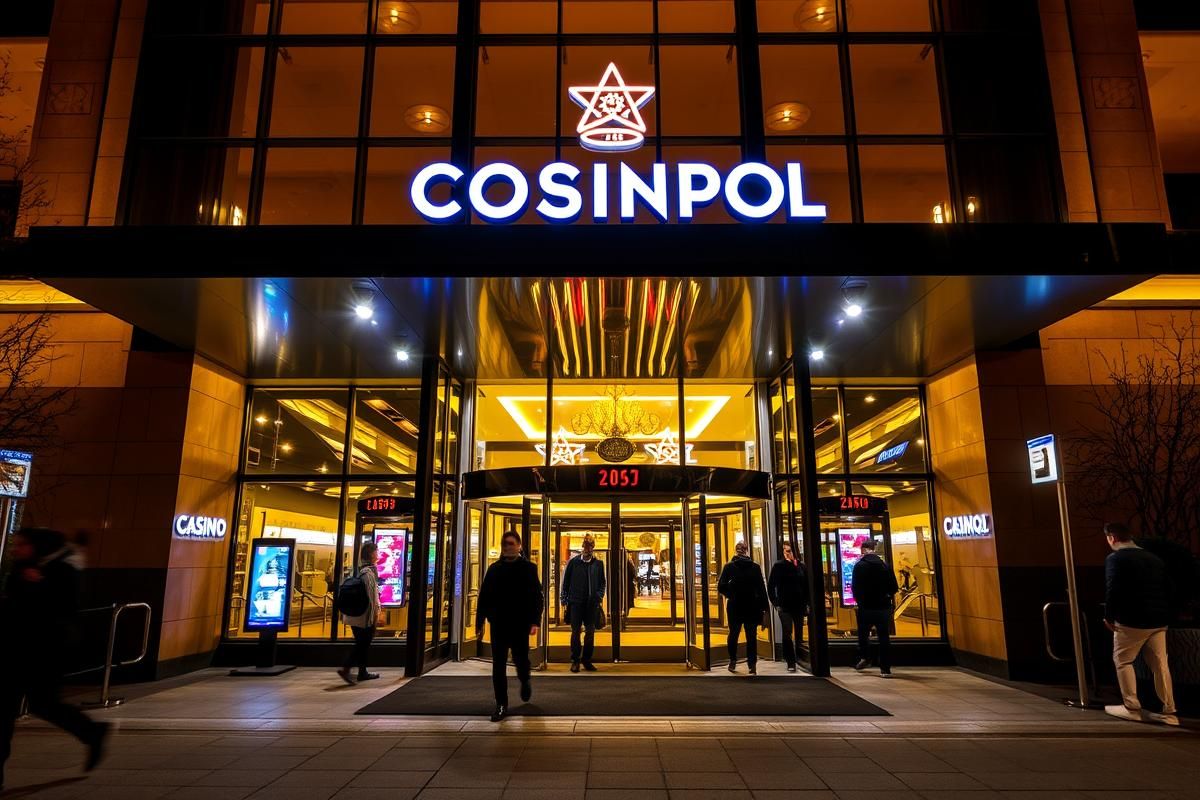
In a controversial move, Sweden is set to shut down its entire land-based casino industry by 2026, citing declining profitability and shifting consumer preferences. Industry stakeholders, however, argue that private operators could have saved the sector through competition and innovation.
Sweden’s Decision to Close Land-Based Casinos
In 2025, Sweden’s parliament, the Riksdag, voted to abolish land-based casinos altogether. This sweeping change will fully take effect on January 1, 2026, with the closure of Casino Cosmopol in Stockholm, currently the sole remaining state-operated casino. The decision follows years of declining revenues and reduced foot traffic, exacerbated by a 65% revenue drop in 2024, resulting in earnings of only SEK165 million ($16.3 million).
Managed by Svenska Spel, a state-run monopoly, Casino Cosmopol faced increasing financial challenges, with its other venues in Sundsvall, Gothenburg, and Malmö having shut down in previous years. Svenska Spel officials backed the closure decision, pointing to trends that show gambling consumers are transitioning to digital platforms.
The Impact of a Monopoly on Sweden’s Gambling Market
Sweden has long maintained a state monopoly on land-based casino operations. While this model sought to ensure responsible gambling practices under government control, critics claim it stifled competition, limited customer experiences, and failed to match international standards.
Key Failures of the Monopoly Model
- Lack of Diverse Offerings: With only government-operated properties, there were no alternative entertainment experiences for gamblers seeking unique or competitive services.
- Underinvestment: Without market pressure, Svenska Spel lagged in modernizing its casinos or offering innovations to attract visitors.
- Inability to Compete with Online Alternatives: The monopoly struggled to compete with Sweden’s robust and growing online gambling market, ultimately leading to the decline in interest for physical venues.
Comparison: Sweden vs. International Trends
| Aspect | Swedish Model (2025) | Global Trends (e.g., Brazil) |
|---|---|---|
| Casino Ownership | State monopoly only | Mix of public and private operators |
| Regulation Direction | Complete shutdown by 2026 | Liberalization and new licenses |
| Revenue Trends | Declining profits | Revenue growth in competitive markets |
| Customer Preferences | Shift to online gambling | Balance between land-based and digital outlets |
How Private Casinos Could Have Saved the Industry
The Swedish Trade Association for Online Gambling (BOS) has criticized the government’s monopoly and decision to exit the land-based casino market entirely. BOS representatives argue that opening the sector to private operators might have prevented its downfall. Here’s how:
- Competitive Innovation: Private casinos could have introduced cutting-edge gaming options, unique entertainment formats, and an enhanced customer experience, appealing to modern gamblers.
- Adaptation to Market Trends: Unlike a state monopoly, profit-driven private firms are more likely to quickly respond to customer demands, integrating technologies and marketing strategies to bridge the gap between online and land-based gambling.
- New Investments: Allowing private entities would bring new capital, create jobs, and potentially attract international gaming partnerships, increasing Sweden’s global appeal as a gambling destination.
Conclusion: A Lost Opportunity for Sweden
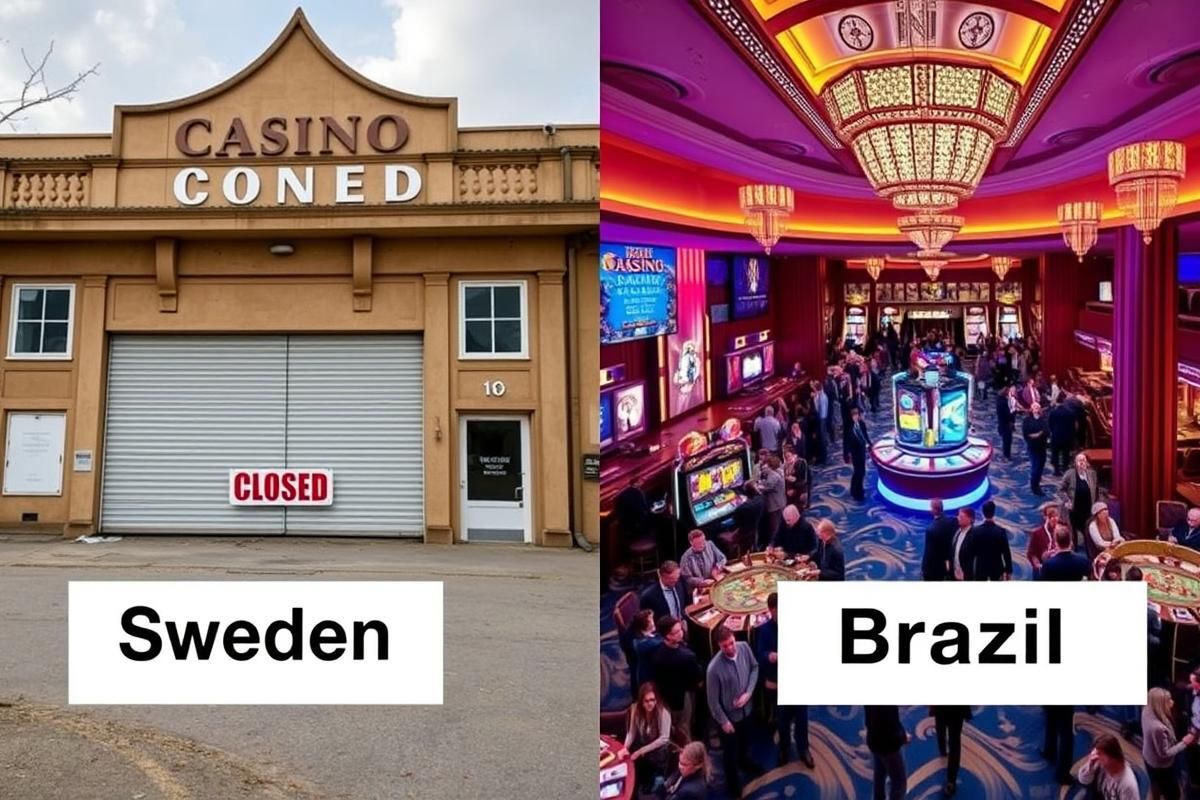
By relying solely on a state monopoly, Sweden’s land-based casino industry became unresponsive to market demands, ultimately leading to its demise. With neighboring countries like Brazil liberalizing their gambling industries for growth and tourism, Sweden’s complete shutdown stands out as a controversial and stark contrast. While the decision is finalized, it leaves behind crucial lessons about the importance of competition, innovation, and market adaptation for the sustainability of any gambling sector.