

The fragile geopolitical climate in the Middle East has caught global attention with recent developments, including a ceasefire between Israel and Iran, U.S. military actions, and the ripple effect of international tensions sparking protests worldwide.
- Ceasefire Between Israel and Iran: A Fragile Peace
- The Impact on Regional Stability
- U.S. Leadership at the Forefront
- Public Reactions in the United States
- Iran’s Nuclear Capabilities and Domestic Unrest
- Wider Implications for Governance
- Humanitarian Concerns Amid Policy Conflicts
- The Intersection of Global and Local Agendas
- Conclusion
Ceasefire Between Israel and Iran: A Fragile Peace
Following escalated hostilities, Israel and Iran have enacted a ceasefire, though tensions remain high. Reports suggest the peace agreement is holding for now, but uncertainties linger over its long-term stability. The conflict has underscored broader regional fragility, with global leaders calling for restraint and sustained diplomatic engagement.
The Impact on Regional Stability
- Direct Consequences: The Israeli strikes have reportedly caused significant casualties within Iran, increasing humanitarian concerns.
- Diplomatic Challenges: The ceasefire is yet to address deeper divisions over Iran’s nuclear program.
U.S. Leadership at the Forefront
President Trump attended a NATO summit shortly after the ceasefire news broke, drawing attention to how the United States is navigating its role in Middle East conflicts. Meanwhile, congressional debates over transparency and effectiveness regarding U.S. strikes on Iranian nuclear sites are ongoing, amplifying domestic pressures.
Public Reactions in the United States
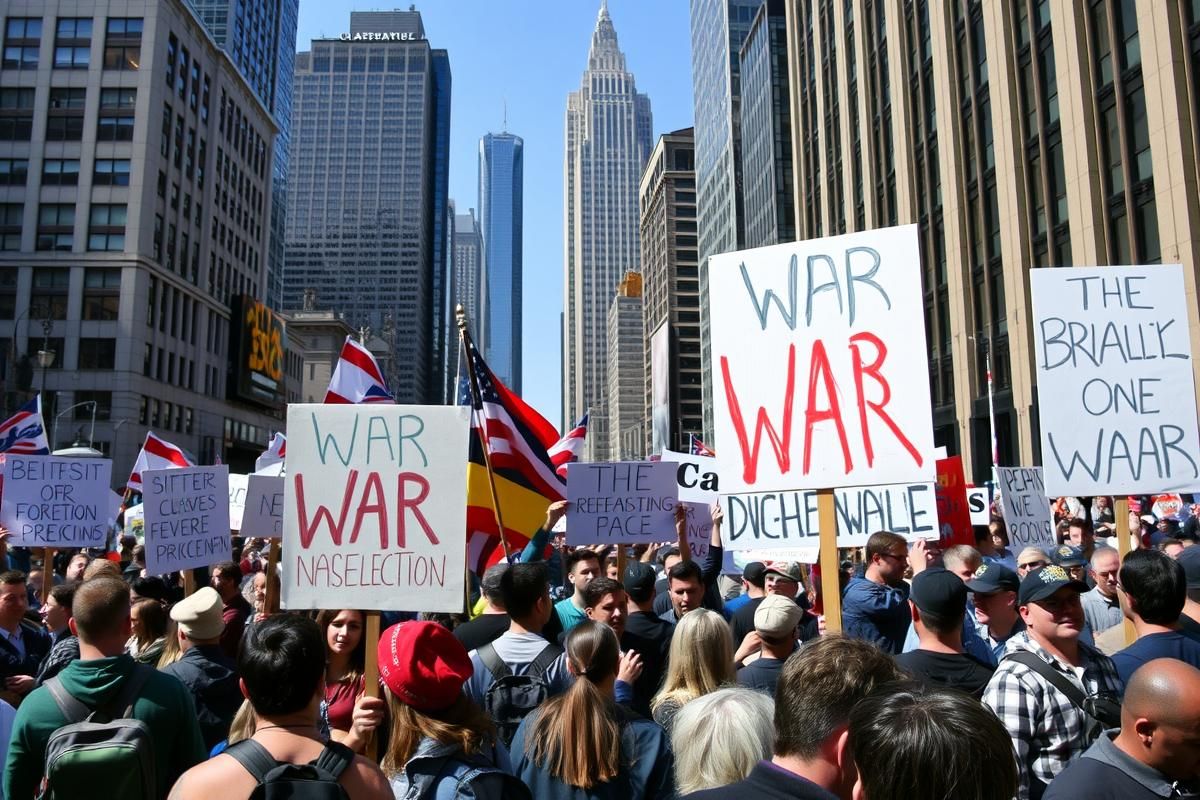
The ceasefire has resonated across the U.S., where protests in Los Angeles against foreign military actions have brought renewed attention to executive authority. A higher court decision to block local judicial intervention on military deployment further reflects mounting national controversy.
Iran’s Nuclear Capabilities and Domestic Unrest
Revelations following the U.S. strike highlight significant milestones in Iran’s nuclear program. In Tehran, anti-government demonstrations have erupted, showcasing widespread discontent. The Iranian government’s next steps could deeply influence regional dynamics and global diplomatic strategies.
Wider Implications for Governance
The political instability triggered by the ceasefire and military actions has revealed persistent governance challenges in addressing both domestic and foreign policies. These issues extend far beyond the Middle East, with ripple effects being felt in Africa, Europe, and the Americas.
Humanitarian Concerns Amid Policy Conflicts
In the midst of these geopolitical upheavals, domestic U.S. policy debates over Medicaid budget cuts further highlight the interconnectedness of international standoffs and national priorities. Efforts to enhance rural healthcare contrasted sharply with funds diverted to military goals have sparked outrage among vulnerable groups.
The Intersection of Global and Local Agendas
This dynamic landscape underscores the interwoven prioritization of international peace and the stability of domestic social programs. Moving forward, governments must carefully balance foreign interventions with addressing the needs of their own citizens.
Conclusion
The geopolitical scene remains precariously balanced, with a fragile Israel-Iran ceasefire at the heart of an increasingly interconnected set of challenges. As tensions continue, international responses, including those of the U.S., carry significant consequences for both global stability and domestic welfare.