

The UK Treasury’s proposed gambling tax reform could significantly impact the industry. While aiming for simplicity, experts fear higher tax rates may drive consumers toward unregulated black market operators, risking sector revenue, jobs, and player safety.
- UK Gambling Tax Reform: A Background Overview
- How a Tax Hike Could Push Players Toward the Black Market
- Industry Survey: Consumer Concerns
- BGC’s Insights and Warning
- The Broader Economic Impact
- Revenue, Employment, and Industry Risks
- Compromising Player Safety
- Conclusion: Balancing Tax Reform and Player Protection
UK Gambling Tax Reform: A Background Overview
The UK government is exploring a new unified Betting and Gaming Tax to replace the existing three-tier system, which includes Remote Gaming Duty (21%), General Betting Duty (15%), and Pool Betting Duty (15%). The consultation is set to close on July 21, 2025. However, industry stakeholders worry that the new tax rate could align with the higher Remote Gaming Duty, effectively increasing the burden on licensed operators.
While the reform aims to streamline taxation, no specific details regarding the unified rate have been disclosed. This uncertainty has sparked significant concerns within the gambling industry, with potential changes likely to impact operators, consumers, and related sectors like horseracing.
How a Tax Hike Could Push Players Toward the Black Market
Industry Survey: Consumer Concerns
A YouGov survey commissioned by the Betting and Gaming Council (BGC) revealed that 65% of UK gamblers believe higher taxes would make regulated sites less appealing. Consumers fear increased tax rates would lead to higher costs, which operators may pass on to players through reduced odds or higher fees. This, in turn, could encourage a significant shift to unlicensed, offshore gambling platforms.
BGC’s Insights and Warning
The BGC has shared several critical concerns about the possible consequences of reform:
- A shift of up to two-thirds of players toward illegal sites, as suggested by survey data.
- Black market operators would circumvent both UK taxation and strict player protection regulations.
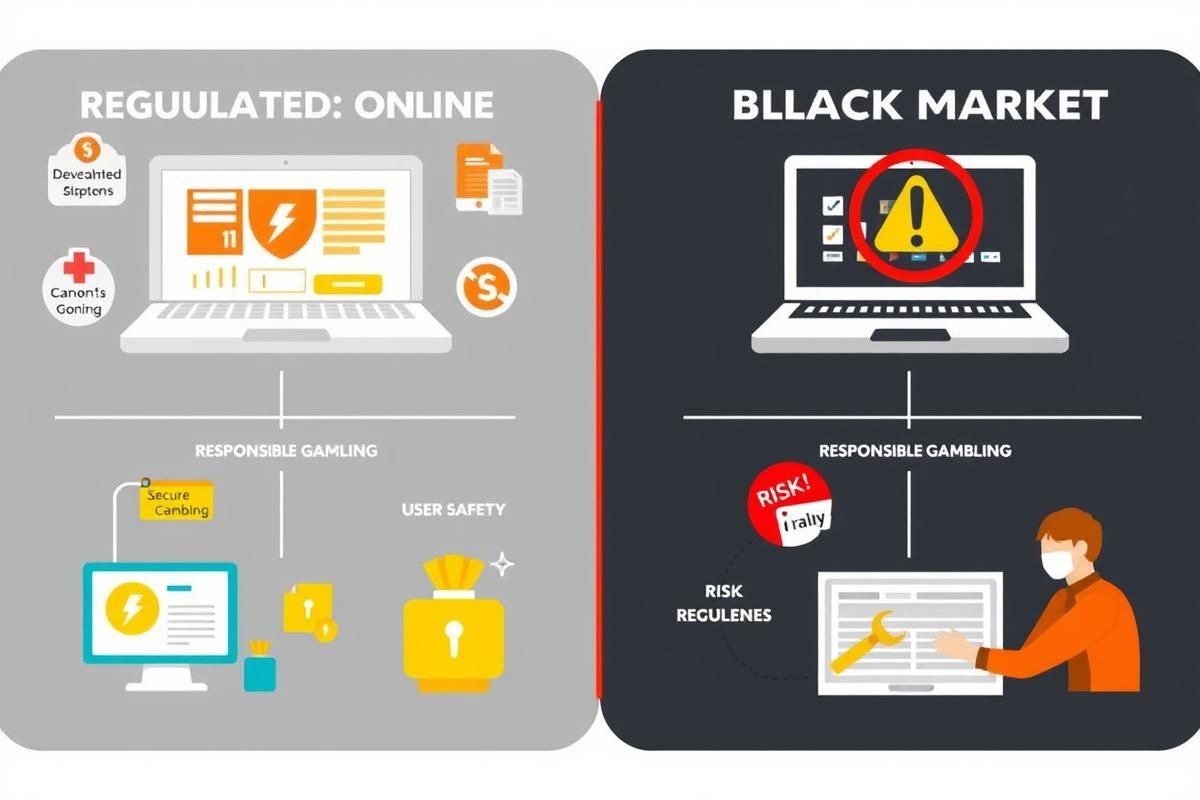
- This trend could jeopardize player safety, given the lack of responsible gambling tools on unlicensed platforms.
- A likely reduction in funding for sectors such as horseracing, which heavily depend on revenue from regulated gambling operators.
The Broader Economic Impact
Revenue, Employment, and Industry Risks
Beyond the gambling industry, the reform poses broader economic risks. The BGC warns that a higher tax rate could reduce competition within the UK gambling market, threatening jobs and cutting government tax income, as consumers increasingly turn to offshore operators. Additionally, the horseracing industry, already financially vulnerable, might see further declines in betting revenue.
Compromising Player Safety
Unregulated sites often lack safeguards such as self-exclusion tools, deposit limits, or fair dispute resolution processes. The absence of these mechanisms could lead to increased gambling harm and erode the UK’s standing as a leader in safe and well-regulated gambling practices.
Conclusion: Balancing Tax Reform and Player Protection
The UK government’s consultation on gambling tax reform raises important questions about balancing fiscal policy, industry competitiveness, and player safety. While the intention to streamline the system is commendable, policymakers must carefully consider the potential repercussions of a higher unified tax rate. As industry experts warn, failing to address these concerns could drive consumers to the black market, leading to widespread economic and social impacts.