
In a world of constant change and uncertainty, undefined risks present one of the biggest challenges to achieving stability and progress. From natural disasters to unforeseen geopolitical tensions, such risks have significant implications for Africa’s development. This article examines how undefined risks manifest in Africa’s socioeconomic and political landscape and the essential strategies for managing them.
- Understanding Undefined Risks in Africa
- Natural Disasters: The Unpredictable Force
- Economic Uncertainty and Market Volatility
- Political Instability and Social Unrest
- Strategies to Address Undefined Risks
- Enhancing Disaster Preparedness
- Fostering Economic Resilience
- Strengthening Governance and Collaboration
- What Lies Ahead?
Understanding Undefined Risks in Africa
Natural Disasters: The Unpredictable Force
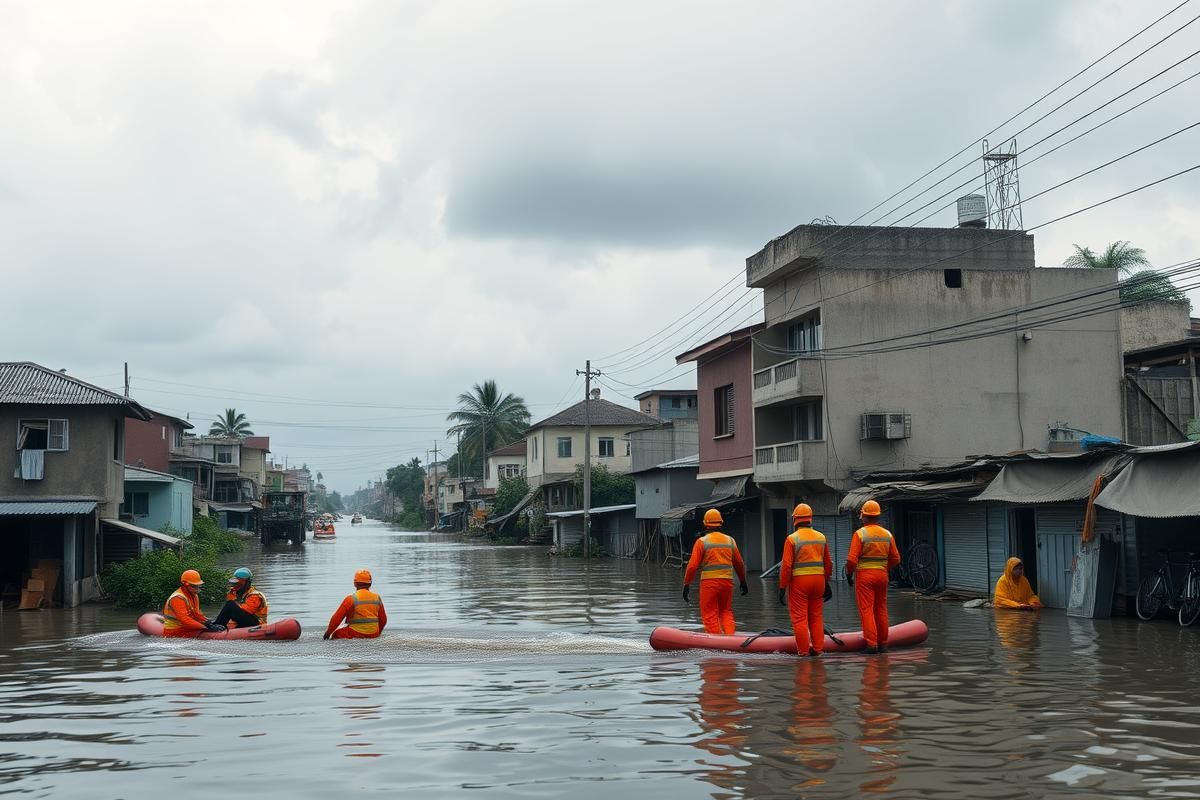
Africa frequently faces natural disasters that emerge with little warning, profoundly affecting livelihoods and infrastructure. Recent examples include:
- Cyclone Freddy in Southern Africa: This historic storm struck countries like Mozambique and Malawi, causing severe flooding, displacing millions, and leading to over 1,000 fatalities.
- Droughts in East Africa: Prolonged droughts in countries like Kenya and Ethiopia have exacerbated food insecurity, with millions facing hunger due to reduced crop yields.
These events underscore the continent’s vulnerability to extreme weather patterns intensified by climate change.
Economic Uncertainty and Market Volatility
Economic progress across Africa remains susceptible to undefined risks such as global market fluctuations and sudden policy shifts. Recent examples include:
- Commodity Price Shocks: Dependence on exports like oil and minerals has left many African economies prone to unpredictable dips in global commodity prices, straining budgets and fueling inflation.
- The Impact of Geopolitical Conflicts: The war in Ukraine has disrupted global supply chains, driving up food and fuel prices across Africa and causing sharp increases in the cost of living.
Political Instability and Social Unrest
Political tensions and social conflicts across the region often evolve into undetectable threats. Key examples include:
- Military Coups: Countries like Niger, Burkina Faso, and Sudan have experienced coups in recent years, creating uncertainty for governance and stability.
- Cross-Border Conflicts: Regional tensions, such as disputes in the Horn of Africa over resources and borders, continue to challenge peacekeeping efforts.
These situations highlight the difficulty in anticipating when and where disruptions may occur.
Strategies to Address Undefined Risks
Enhancing Disaster Preparedness
Africa must invest in early warning systems, disaster response planning, and infrastructure resilience to reduce the impact of natural disasters. Partnerships with global organizations can provide both technical and financial support for such mechanisms.
Fostering Economic Resilience
Diversifying economies to reduce reliance on primary commodities is critical. Countries can also establish stabilization funds to buffer against unexpected economic shocks. Regional integration through initiatives like the African Continental Free Trade Area (AfCFTA) can help improve trade and investment security.
Strengthening Governance and Collaboration
By promoting transparency, accountability, and rule of law, African nations can reduce the risks associated with political instability. Collaborative networks, including the African Union and regional blocs, play a key role in conflict resolution and crisis prevention.
What Lies Ahead?

While the nature of undefined risks will remain unpredictable, Africa can build a more resilient future through proactive strategies, innovative technologies, and increased collaboration. Leaders, organizations, and citizens must work together to turn uncertainty into opportunity.