

The Maryland Lottery and Gaming Control Agency (MLGCA) has reversed its decision to award a $260 million, ten-year lottery contract to Intralot, a Greece-based lottery technology firm. This major shift has sparked legal evaluation and industry-wide discussions.
Maryland Lottery Contract Overview
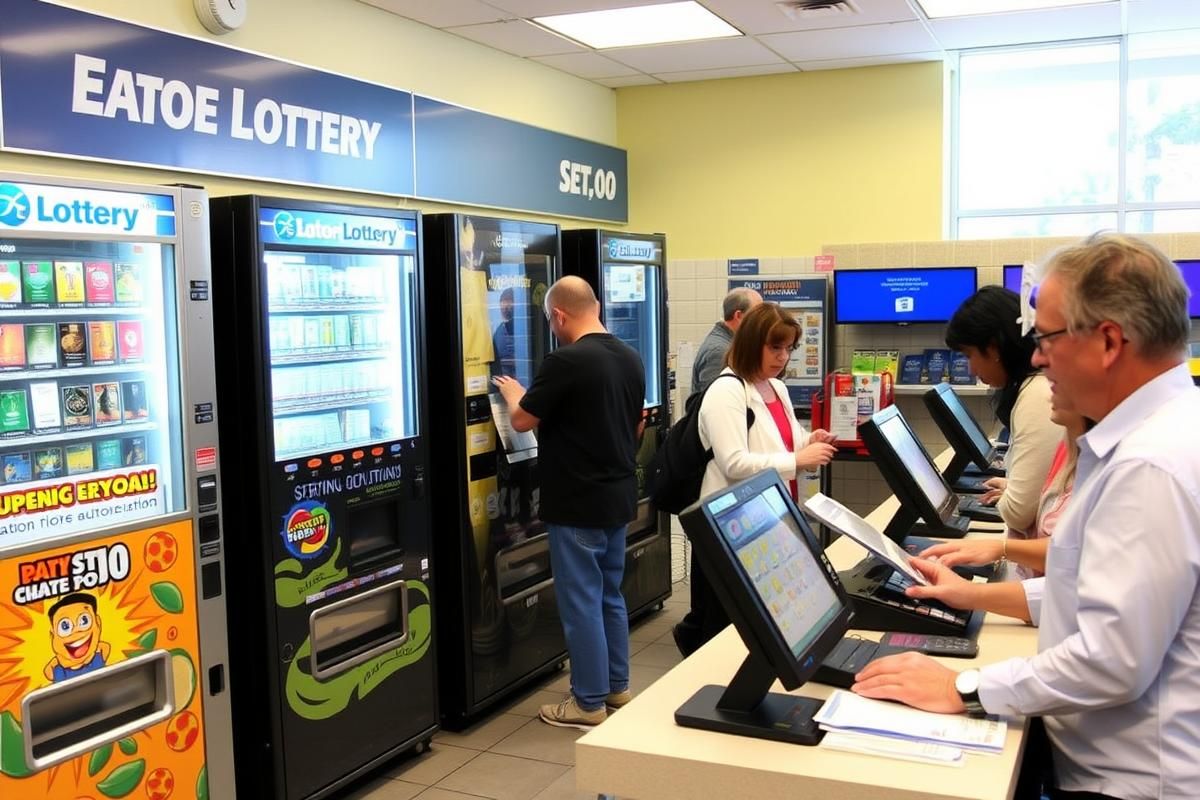
In July 2025, Intralot was initially recommended as the vendor for Maryland Lottery’s Central Monitoring and Control System (LCMCS) contract. The $260 million deal spans ten years, with a possible five-year extension, covering the provision of self-service vending machines, counter terminals, software, and technical support to over 4,300 state retailers.
The procurement was competitive, with three major players—Intralot, Scientific Games, and IGT Global Solutions—submitting bids. An important criterion was achieving at least 28% Minority Business Enterprise (MBE) participation during the contract.
Initial Award to Intralot
On July 15, 2025, the Maryland Lottery and Gaming Control Commission granted interim approval for Intralot, pending additional state-level authorization. The company publicly celebrated the win, highlighting its ability to deliver next-generation lottery technology and operations efficiently.
Decision Reversal
However, by early August 2025, the MLGCA cited compliance issues concerning the MBE threshold and withdrew Intralot’s award. Despite assurances during the bidding evaluation, the agency argued that Intralot failed to meet the required participation levels for local subcontractors.
Intralot, disputing these claims, asserted that it exceeded the local subcontractor requirement and provided the most cost-effective solution compared to its competitors, particularly Scientific Games.
Shift to Scientific Games
During the procurement review, Scientific Games emerged as the preferred vendor. However, the agency has yet to officially confirm the new contract award. Intralot insists the reversal lacks substantive justification and is weighing legal options to challenge the decision.
Legal Implications for Intralot
Intralot has described the contract reversal as a “great surprise” and expressed disappointment in the Maryland agency’s handling of the process. The company is exploring legal avenues, aiming to contest what it believes are procedural flaws and to safeguard its competitive standing in the U.S. lottery market.
Market Reaction and Industry Implications
The Maryland Lottery contract is one of the largest in the U.S., and decisions related to it inevitably draw scrutiny. The reversal has raised broader concerns about transparency in public procurement processes, especially for highly lucrative and competitive tenders.
The move may also influence vendor strategies and partnerships in the lottery technology landscape, with other jurisdictions potentially reassessing their procurement frameworks to avoid similar controversies. Such cases highlight the complexities and risks involved in handling large-scale public contracts.
Conclusion
The Maryland Lottery’s decision to pull its $260 million contract from Intralot has triggered legal challenges and unsettled industry leaders. As the situation unfolds, it calls attention to the importance of transparent procurement practices and reinforces the need for consistent compliance standards in the global lottery market.