
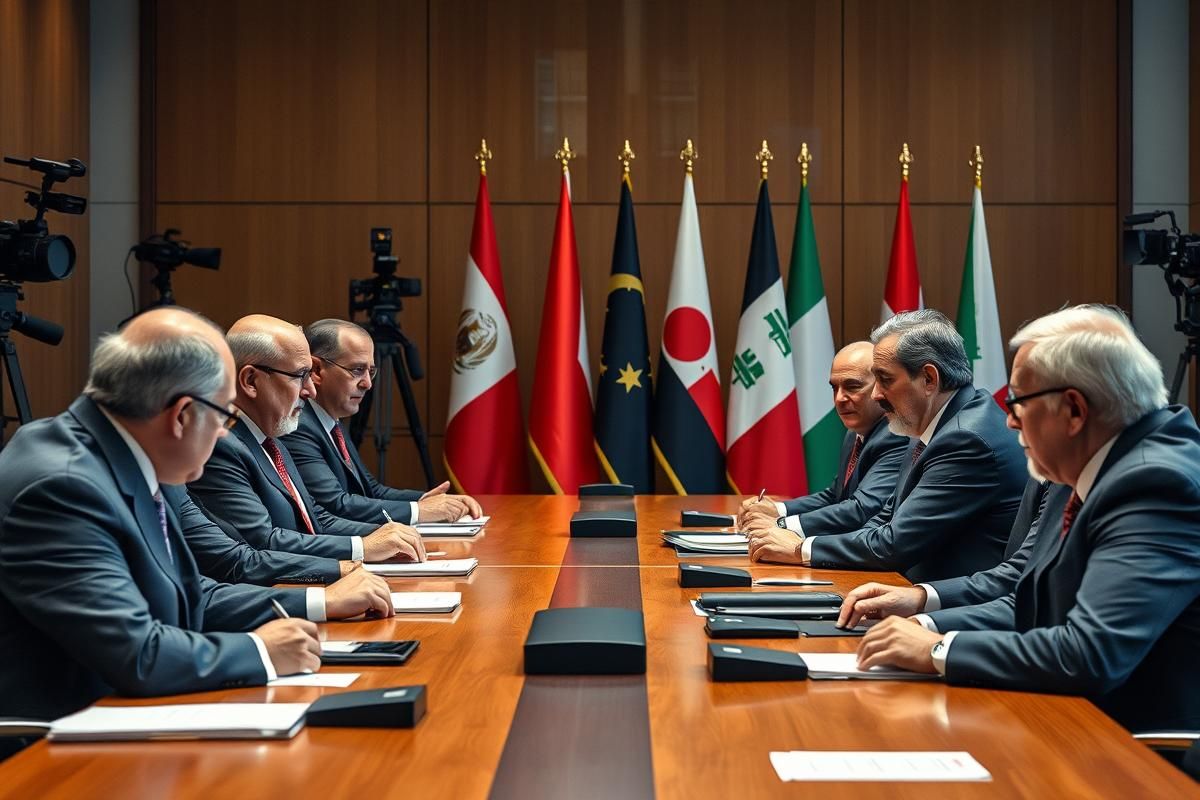
The recent ceasefire between Israel and Iran has temporarily eased regional tensions amidst U.S. military strikes and global diplomatic efforts. However, the situation remains fragile, with skepticism surrounding the true impact of the U.S.’s actions on Iran’s nuclear program.
Background: Iran-Israel Conflict and Ceasefire Agreement
The conflict between Israel and Iran has seen repeated escalations, with violent episodes affecting stability in the Middle East. In June 2025, Israeli airstrikes led to significant casualties in Iran. Retaliatory measures followed before diplomatic interventions brokered a ceasefire by June 24, 2025. Despite the pause in fighting, the regional situation remains volatile.
U.S. Military Strikes: Claims and Controversy
President Trump announced that recent U.S. strikes had “obliterated” Iran’s nuclear capabilities. However, initial intelligence contradicts these claims. Reports suggest Iran’s two underground nuclear facilities survived with only limited damage, casting doubt on the long-term efficacy of the operations. Lawmakers’ demands for transparency have grown louder as scheduled briefings on the strikes faced delays.
Media and Political Reactions
- Israeli Prime Minister Benjamin Netanyahu supported Trump’s assertions that Iran’s nuclear threat was neutralized.
- Skeptics, including international observers and analysts, are concerned over the lack of convincing evidence and the postponement of crucial updates on military strikes.
NATO Summit and Diplomatic Challenges
The fragile ceasefire set the stage for a critical NATO summit attended by President Trump. This meeting highlighted the alliance’s role in countering regional threats and promoting nuclear nonproliferation. While showcasing U.S. commitment to NATO, Trump’s unilateral Middle Eastern actions sparked renewed debate within the alliance about balancing diplomacy and defense strategies.
Domestic Pressures in the U.S. During the Crisis
As international tensions unfold, domestic challenges in the U.S. have further complicated the political landscape:
- Healthcare Concerns: Proposed Medicaid budget cuts threaten access to healthcare across vulnerable rural areas.
- Extreme Weather: Over 150 million Americans are facing a severe heatwave, testing infrastructure and disaster response systems.
- Immigration Policy Debates: Controversial ICE detentions reignited discussions about border enforcement and civil rights.
Uncertainties Ahead
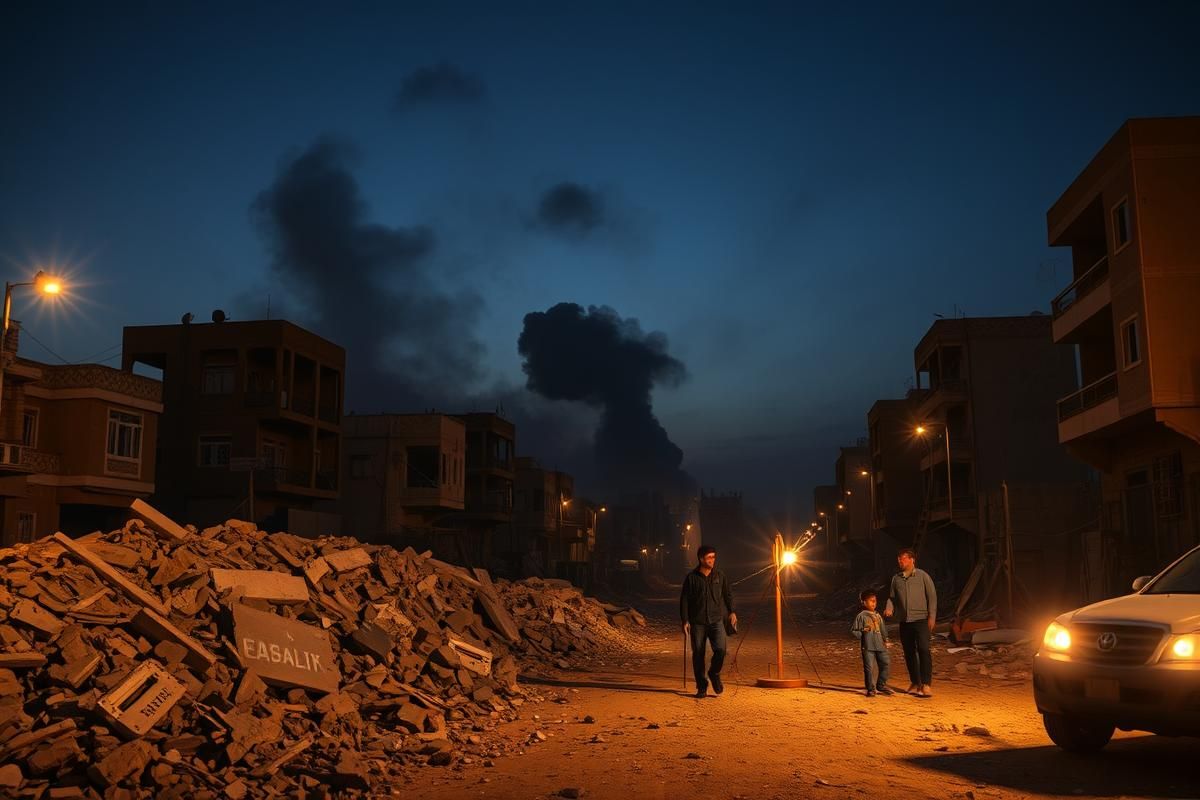
Global reactions to the Iran-Israel ceasefire and U.S. strikes underline the unpredictability of Middle Eastern geopolitics. Ongoing skepticism about the efficacy of the U.S.’s military operations keeps analysts, lawmakers, and civilians cautious about the prospects for lasting stability. With efforts by NATO and other diplomatic players in the mix, the coming weeks will be pivotal in shaping the trajectory of the region’s future.