

Las Vegas is at a crossroads in summer 2025, grappling with declining tourism and shifting housing market dynamics. However, the city’s enduring focus on innovation and resilience keeps its outlook cautiously optimistic.
- Economic and Tourism Trends
- Tourism Decline and Economic Impacts
- Labor Market Stability Amid Tourism Challenges
- Real Estate Market: A Cooling Trend
- Housing Inventory and Market Shifts
- Resilience in a Softening Market
- Broader Economic and Social Pressures
- Affordability Issues and Their Impact
- Optimism Through Innovation
- Conclusion
Economic and Tourism Trends
Tourism Decline and Economic Impacts
Visitors to Las Vegas have been on the decline in 2025, largely due to rising costs, changing consumer habits, and affordability issues. Frustration over skyrocketing resort fees and short booking windows is driving tourists to consider alternative destinations. This trend significantly affects the city, as hospitality, gaming, and conventions remain the backbone of its economy.
Despite these challenges, business leaders in Las Vegas are emphasizing strategic investments in events, entertainment, and economic diversification to withstand short-term downturns.
Labor Market Stability Amid Tourism Challenges
While tourism struggles, the Las Vegas labor market remains stable. The unemployment rate holds steady at 5.4% as of July 2025, with 7,800 jobs added year-over-year. Although employment growth is slowing, the city’s workforce continues to show resilience during economic fluctuations.
Real Estate Market: A Cooling Trend
Housing Inventory and Market Shifts
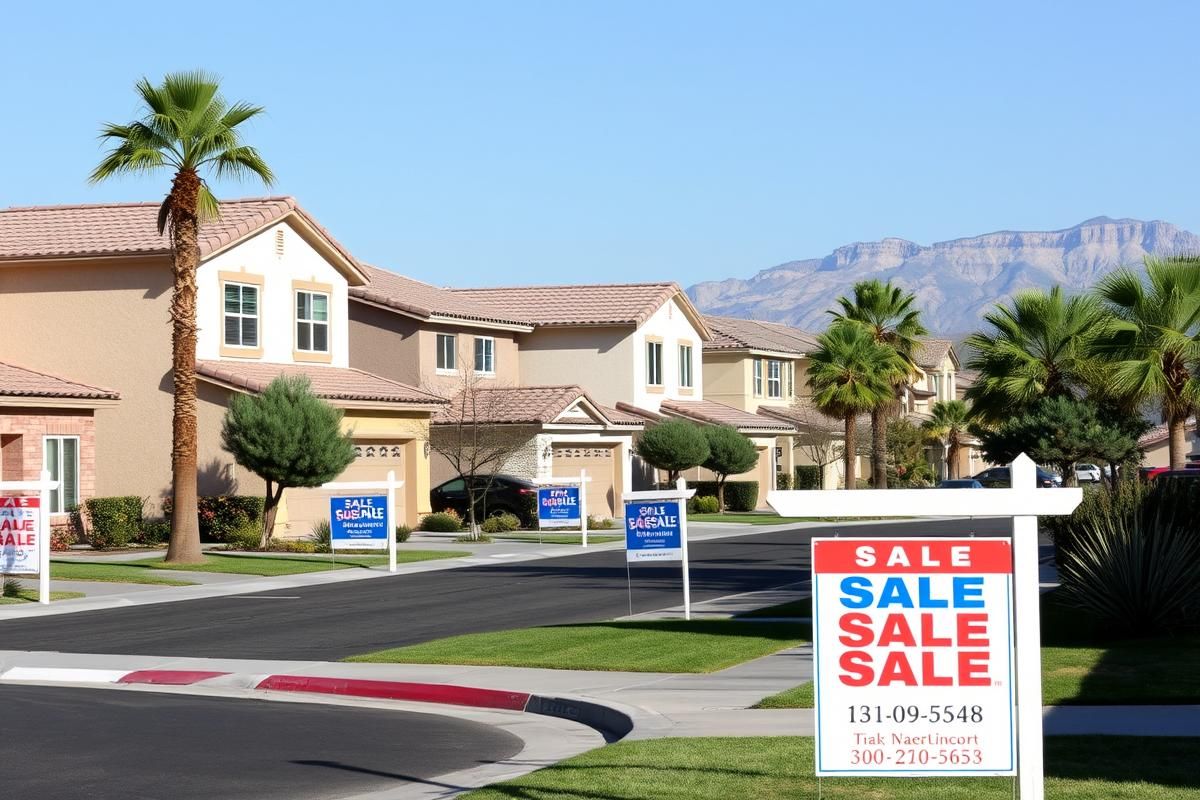
The residential real estate market in Las Vegas is adjusting, with an increase in available inventory and a notable slowdown in sales:
- Single-family home inventory rose from 7,400 to over 7,650 units between July and August 2025.
- Closed sales fell to 1,900 per month, pushing available inventory to 4 months, creating a more buyer-friendly market environment.
- Median home prices decreased slightly, ranging between $440,000 and $466,000—a 2.2% decrease compared to the previous year.
Properties are staying on the market longer (an average of 56 days), and the rental market shows softness with a vacancy rate hovering near 9% and average rents around $1,384.
Resilience in a Softening Market
Despite increased inventory and reduced demand, home values in Las Vegas remain near record highs. Factors like limited new construction and continued in-migration maintain the city’s appeal as a migration destination. Experts describe the housing market as balanced or slightly favoring buyers, rather than experiencing a major downturn.
Broader Economic and Social Pressures
Affordability Issues and Their Impact
Affordability challenges persist as one of the biggest hurdles for Las Vegas in 2025. Rising costs for housing, rentals, resort fees, and general inflation impact both residents and tourists. Finding solutions to these issues is central to preserving Las Vegas’ accessibility and long-term economic health.
Optimism Through Innovation
Even with current challenges, Las Vegas’ leaders remain optimistic. During the 45th Annual Las Vegas Perspective event, they outlined strategies focused on financial innovation, economic diversification, and enhancing entertainment options beyond gaming and conventions. The city’s proven ability to adapt to changing market dynamics boosts confidence in its future.
Conclusion
Las Vegas in summer 2025 presents a mix of challenges and opportunities. Declining visitor numbers and slower housing market activity highlight short-term hurdles, but the city’s enduring focus on innovation and economic diversification continues to guide its resilience. While affordability and economic shifts remain key concerns, Las Vegas’ adaptability promises a cautiously optimistic future.