
Africa continues to be shaped by global events, natural disasters, and shifting geopolitical alliances, impacting public safety, governance, and international relations. In this article, we explore the latest key developments that reflect the broader landscape shaping the continent’s future.
Impact of Global Public Safety Concerns on Africa
As global climate patterns persist, natural disasters such as floods, droughts, and rip currents, while primarily discussed in the U.S., emphasize the vulnerability of African coastal and agricultural communities to similar risks. The potential implications for African nations include rising demand for disaster response infrastructure and policies focusing on mitigation.
Natural Disasters and Humanitarian Responses
In the wake of the devastating earthquake in eastern Afghanistan, Africa’s own preparedness for seismic events and other catastrophic disasters remains crucial. Disaster-prone regions such as the Rift Valley experience recurring tectonic activity, underscoring the need for cross-continental collaboration in emergency management.
- Humanitarian agencies emphasize the importance of improved forecasting to minimize the impact on vulnerable populations.
- Collaboration with international relief organizations is essential to strengthen Africa’s response preparedness.
Public Health Leadership and African Policy Implications
The criticism of U.S. health leadership surrounding CDC policies resonates with African nations, where public health systems are similarly scrutinized. Balancing robust health infrastructure with transparent leadership is vital for African countries aiming to build public trust.
Strengthening Public Health Governance
Efforts must focus on addressing key areas such as:
- Equitable distribution of resources to combat diseases like malaria and HIV/AIDS.
- Expanding vaccination programs to safeguard populations from preventable diseases.
- Monitoring and preparing for zoonotic diseases, influenced by climate change.
Global Diplomacy and Its Effects on Africa
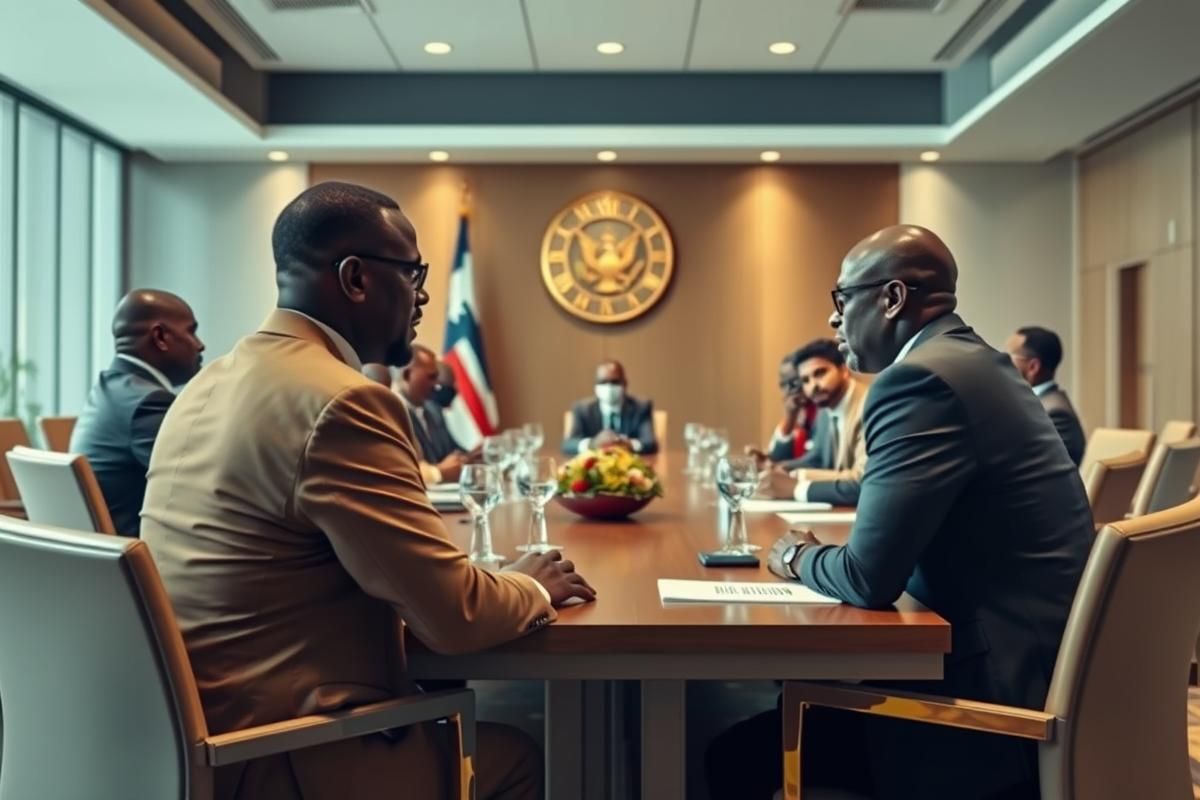
The unity displayed by leaders from China, Russia, and India highlights a power shift in global geopolitics, potentially affecting Africa’s trade relations and foreign policy strategies. With China already a prominent partner on the continent, expanding ties with other nations is likely to follow.
Key Trends in African Diplomacy
Emerging trends in African diplomacy include:
- Stronger trade agreements focusing on infrastructure and economic development.
- Increased reliance on soft power strategies to negotiate resource management and sustainability.
- A growing pivot toward multilateral partnerships beyond traditional Western allies.
Conclusion: Africa’s Path Forward
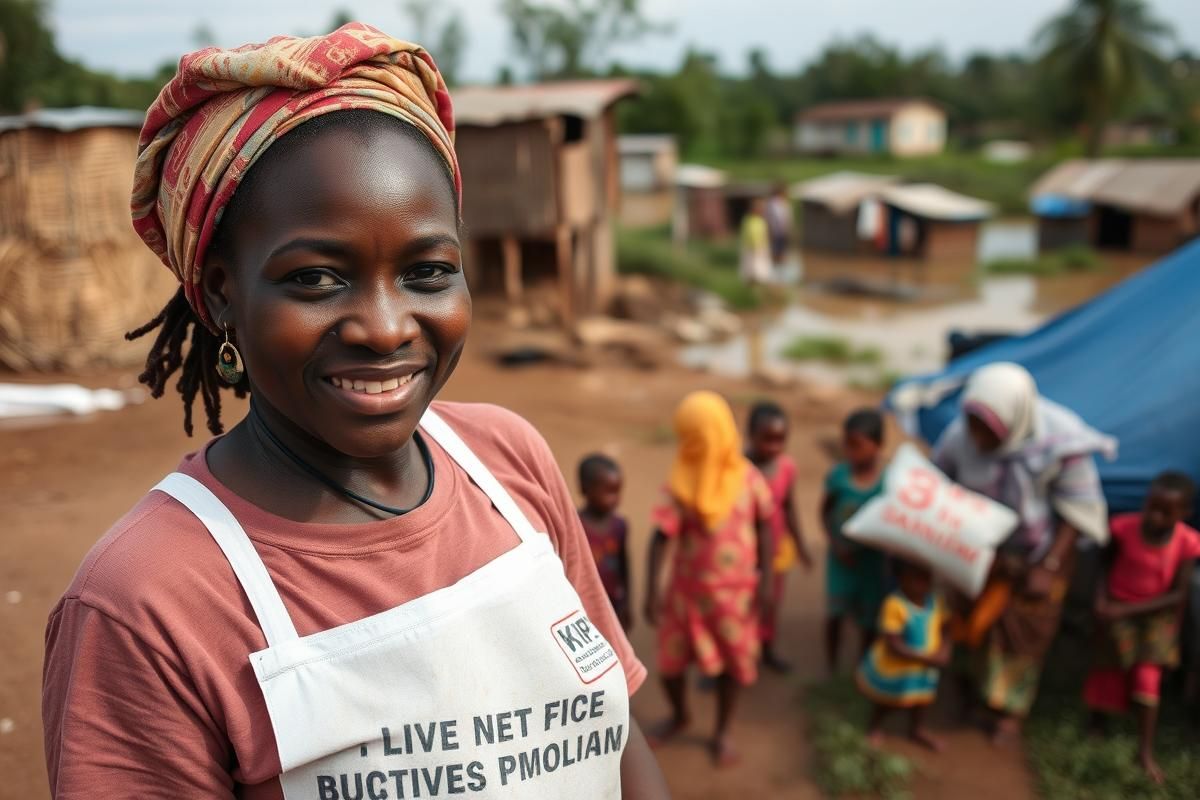
From natural disasters to shifting political alliances, Africa remains both influenced by and essential to global developments. Continued investment in disaster readiness, public health, and diplomatic policy will be key as the continent navigates these challenges and opportunities.