
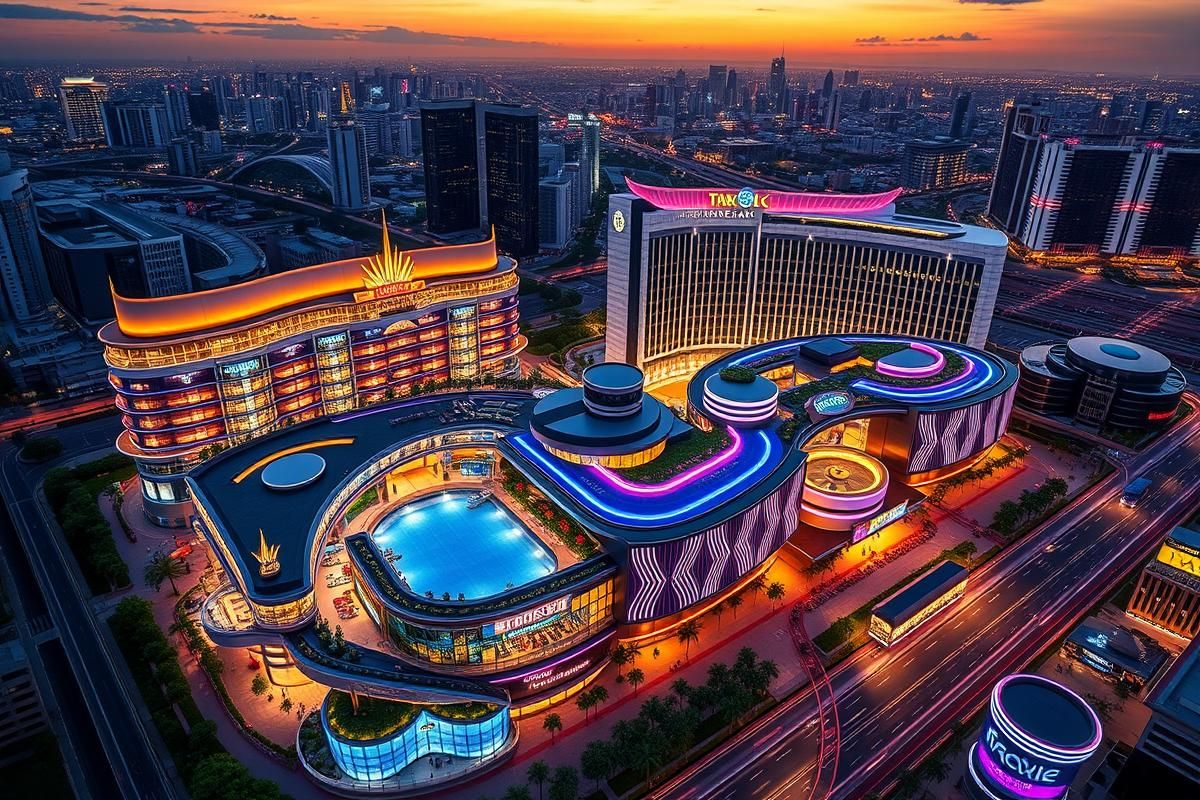
MGM Resorts International is playing a pivotal role in shaping Thailand’s nascent casino industry. The company has provided strategic advice to Thai lawmakers as the country works toward legalizing integrated resorts, ensuring competitiveness and sustainability.
MGM’s Key Recommendations for Thailand’s Casino Market
Optimizing Tax Structures
MGM emphasizes the importance of adopting a tax regime akin to Singapore’s 17% gross gaming revenue (GGR). Competitive tax rates not only attract significant investments but also position Thailand favorably against neighboring markets:
- Singapore: ~17% tax rate
- Japan: 30% tax rate
- Macau: 40% tax rate
This recommendation is critical as MGM plans to allocate $3–5 billion for an integrated resort in Bangkok—a venture hinging on investor-friendly regulations.
Allowing Local Access
Another cornerstone of MGM’s strategy is advocating for local residents’ access to casinos. Policies such as Thailand’s proposed THB5,000 (approximately $140) entry fee are seen as reasonable. However, earlier, more restrictive measures, like requiring citizens to hold THB50 million ($1.5 million) in assets before entry, were met with strong opposition and subsequently scrapped.
Drawing from international examples, MGM referenced the Inspire casino in South Korea, which faced financial difficulties due to relying solely on foreign clients. The cautionary tale underscores the importance of encouraging local participation to ensure profitability and sustainability.
Progress of Thailand’s Entertainment Complex Bill
The proposed Entertainment Complex Bill, currently under Senate review, lays the legislative groundwork for Thailand’s integrated resorts. The key highlights include:
- Casino areas limited to 10% of total complex floor space
- Robust identity verification measures
- Provisions against unauthorized online gambling
If successfully passed, the legislation may enable resorts to open as early as late 2025 or 2026, spurring economic growth.
Economic Benefits of a Thriving Casino Market
An industry powered by MGM’s recommendations could drive substantial economic gains in Thailand:
- Job creation in hospitality, construction, and supplementary sectors
- Boosted international tourism targeting high-end visitors
- Enhanced government revenue for welfare and infrastructure programs
By leveraging favorable regulatory conditions, Thailand can establish itself as a regional powerhouse in the casino industry, outpacing competitors like Macau and Japan.
Conclusion

MGM’s strategic guidance underscores the importance of balancing investor profitability with sustainable market policies in the development of Thailand’s casino industry. A successful compromise could pave the way for unprecedented economic growth while avoiding the pitfalls experienced in less flexible markets. Thailand’s forthcoming decisions are poised to set the stage for a thriving, globally competitive gaming market.