
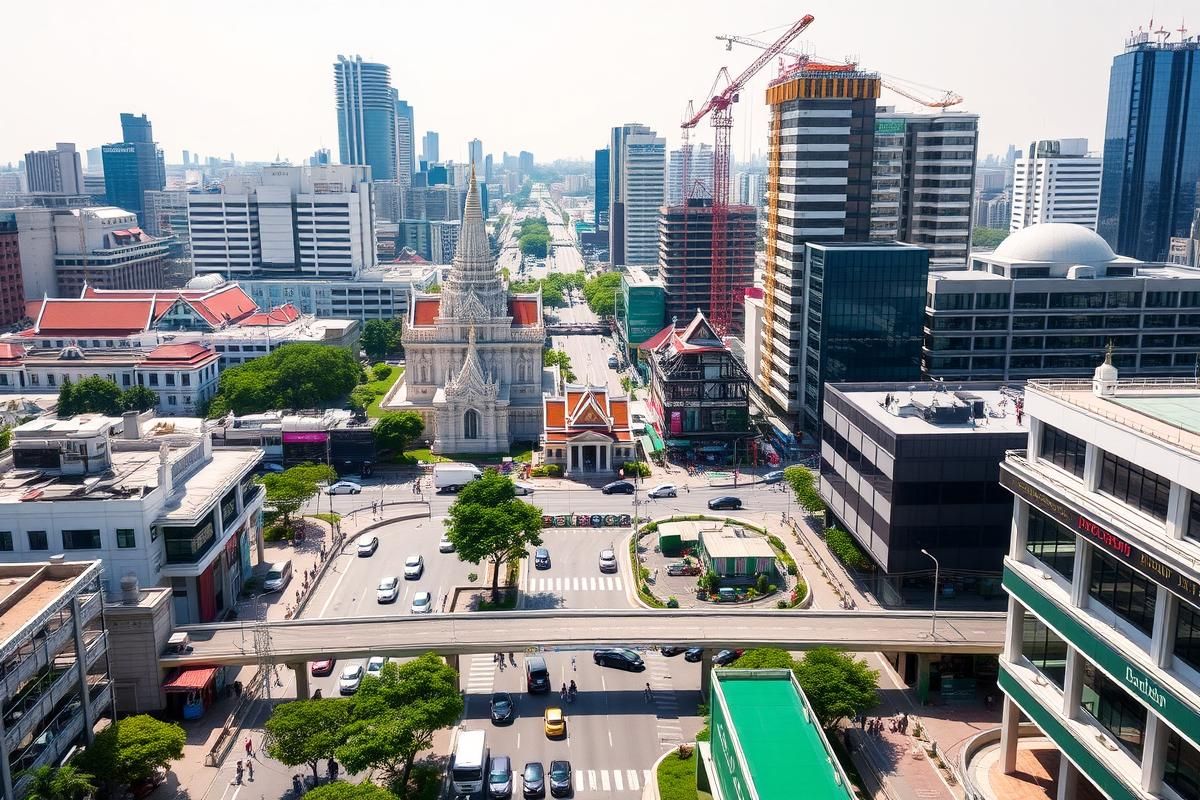
Thailand is taking decisive action to strengthen its economy amidst global uncertainties by launching a $4.3 billion stimulus plan. Simultaneously, the country is exploring the establishment of casino resorts to further promote economic diversification and tourism-driven growth.
Thailand’s Economic Stimulus Plan: Key Highlights
To counter global economic pressures and boost long-term resilience, Thailand’s government has introduced a 157-billion-baht stimulus package. This plan, which reallocates funds from previous proposals, focuses on infrastructure, tourism, and community development.
Key Components of the Plan
- Infrastructure Investment: The package prioritizes investment in water management systems, transportation networks, and other infrastructure projects to create jobs and stimulate the economy.
- Tourism Development: Tourism, a cornerstone of Thailand’s economy, receives targeted funding for improved infrastructure and marketing campaigns to attract global travelers.
- Support for Exports and Manufacturing: Measures are included to offset global trade challenges, such as US tariffs on Thai exports, and to support domestic manufacturing industries.
- Community and Workforce Investment: Funds are allocated to bolster local economies and enhance human capital, improving productivity and competitiveness.
Policy Adjustments for Economic Resilience
In a major policy shift, Thailand has canceled its previously proposed 10,000-baht digital wallet initiative, reallocating 27 billion baht toward long-term structural investments. This move underscores a focus on sustainable economic growth rather than short-term payouts.
Fiscal Concerns and Debt Management
Thailand’s public debt is approaching 64% of GDP, necessitating careful handling of stimulus expenditures. The government aims to balance economic expansion with fiscal responsibility, ensuring the package yields long-term benefits.
Casino Resorts: A Potential Game-Changer
Thailand is studying the feasibility of integrated casino resorts to elevate its tourism industry. Although not directly included in the stimulus plan, policymakers are paving the way for such projects to enhance tourism and entertainment sectors.
Regional Competition in the Casino Market
Neighboring countries like Singapore and Malaysia have already seen significant economic benefits from legalized casino operations. Thailand aims to unlock similar gains by attracting regional tourists and investors to its proposed resorts.
Economic Impact and Social Considerations
- GDP Growth: The government is targeting GDP growth above 3% by 2025, driven by infrastructure, tourism, and new ventures like casino resorts.
- Employment Opportunities: Both traditional infrastructure development and potential casino projects are expected to generate significant job opportunities.
- Social Implications: While casino developments may raise social concerns, they represent a lucrative opportunity to diversify Thailand’s economy.
Conclusion

By aligning its economic strategy with targeted investments and innovative pursuits like casino resorts, Thailand aims to mitigate external risks and secure sustainable growth. The stimulus package, valued at 157 billion baht, is a bold step toward solidifying the country’s position as a leader in tourism and economic resilience. Its success, however, will depend on the government’s ability to execute the plan effectively amidst global uncertainties.