
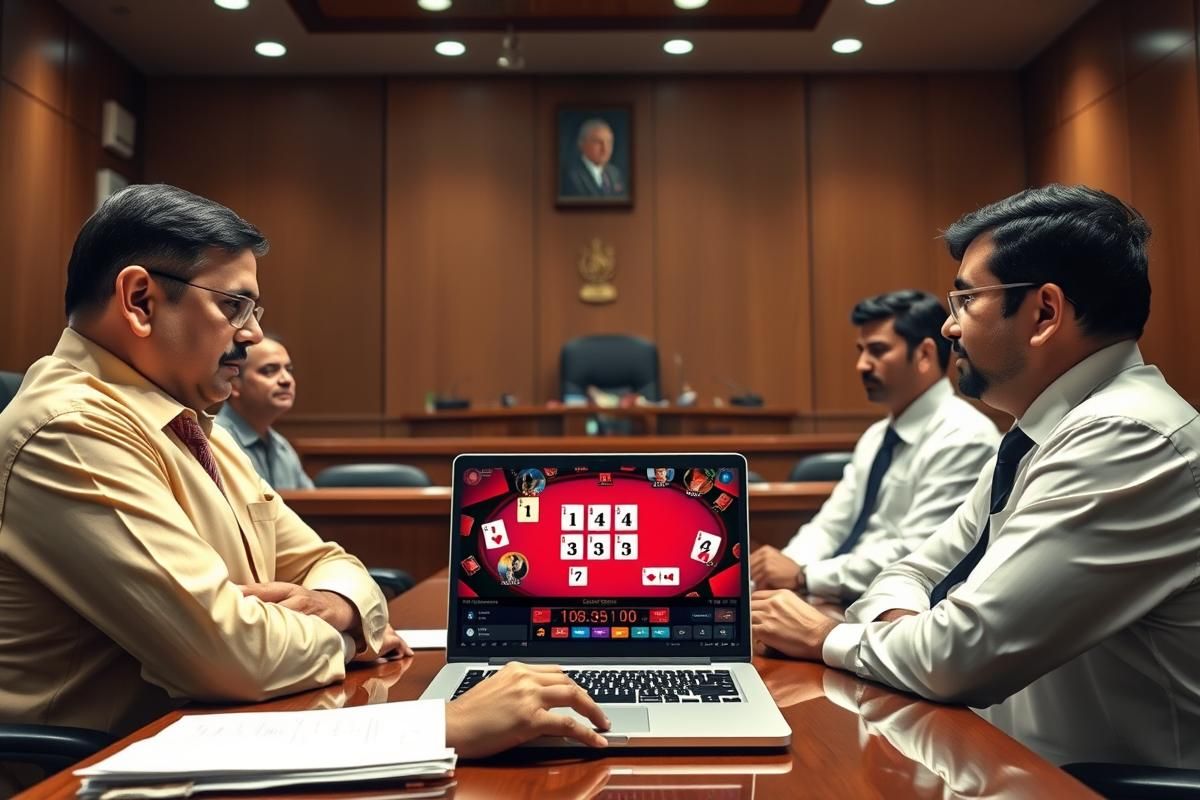
India’s controversial ban on online money games has sparked significant industry upheaval, with A23 leading the charge to challenge the new law. The outcome of their legal battle could redefine the future of skill-based gaming and impact digital rights across the nation.
- Understanding India’s Online Gaming Ban
- The Promotion and Regulation of Online Gaming Act, 2025
- Immediate Impact on the Gaming Industry
- A23’s Legal Challenge Against the Ban
- Key Arguments in the Legal Petition
- A23’s Unique Stance in the Industry
- Potential Implications for the Gaming Sector
- Policy Shifts and Industry Revival
- Broader Economic and Social Effects
- Conclusion
Understanding India’s Online Gaming Ban
The Promotion and Regulation of Online Gaming Act, 2025
In August 2025, the Indian Parliament passed the Promotion and Regulation of Online Gaming Act, a sweeping policy that bans all online money games, regardless of whether they are games of skill or chance. The law also categorizes offences as cognisable and non-bailable, allowing the authorities to make arrests and conduct searches without prior approvals.
The government justified the ban to combat addiction, money laundering, and financial fraud. Notably, e-sports and social gaming remain unaffected by the legislation, ensuring a clear distinction in regulatory oversight.
Immediate Impact on the Gaming Industry
- Popular platforms like Dream11, My11Circle, WinZO, and PokerBaazi have ceased their real-money offerings, limiting operations to free-to-play contests.
- The legislation overturns years of judicial recognition separating skill-based games such as poker and rummy from games of luck.
A23’s Legal Challenge Against the Ban
Key Arguments in the Legal Petition
Head Digital Works, owner of the gaming platform A23, has become the first major platform to legally challenge the act. Their petition, filed in the Karnataka High Court, seeks the suspension of key provisions of the law, particularly affecting skill-based games. The petition highlights:
- The criminalisation of legitimate businesses that host skill-based games like poker and rummy.
- Excessive penalties that could lead to job losses in the gaming sector, impacting hundreds of thousands of livelihoods.
- Fears of driving consumers toward unregulated offshore gambling platforms, increasing risks of fraud and compromising consumer protection.
- Violations of constitutional rights, such as the right to business (Article 19(1)(g)), equality, and free speech.
A23’s Unique Stance in the Industry
Unlike many of its competitors who have quietly complied with the ban, A23’s legal move underscores its unique stance. With a registered user base of 70 million spanning platforms like A23 Rummy and Poker, the firm represents a significant portion of India’s gaming market. Its legal brief urges the court to strike down prohibitive sections of the Act specifically targeting games of skill and calls for enforcement that aligns with constitutional due process.
Potential Implications for the Gaming Sector
Policy Shifts and Industry Revival
The legal battle could lead to the restoration of skill-based game protections, reversing unprecedented disruptions in India’s rapidly evolving online gaming market. Prior court rulings have consistently differentiated skill-based gaming from chance-based formats; success in this case could provide much-needed clarity and stability for the sector.
Broader Economic and Social Effects
- Economic Risks: Prolonged bans could devastate the gaming ecosystem, with widespread business closures and industry job losses.
- Consumer Vulnerability: A strict regulatory stance may inadvertently encourage users to turn to unregulated offshore operators, increasing the likelihood of fraud and financial exploitation.
As A23 challenges the ban, its action highlights the importance of balancing regulation with innovation, consumer protection, and economic sustainability.
Conclusion
A23’s bold legal stance against India’s sweeping online gaming prohibition represents a watershed moment for the industry. The Karnataka High Court’s ultimate verdict will determine the future of digital skill gaming in India, set regulatory benchmarks, and possibly influence policies in other markets.