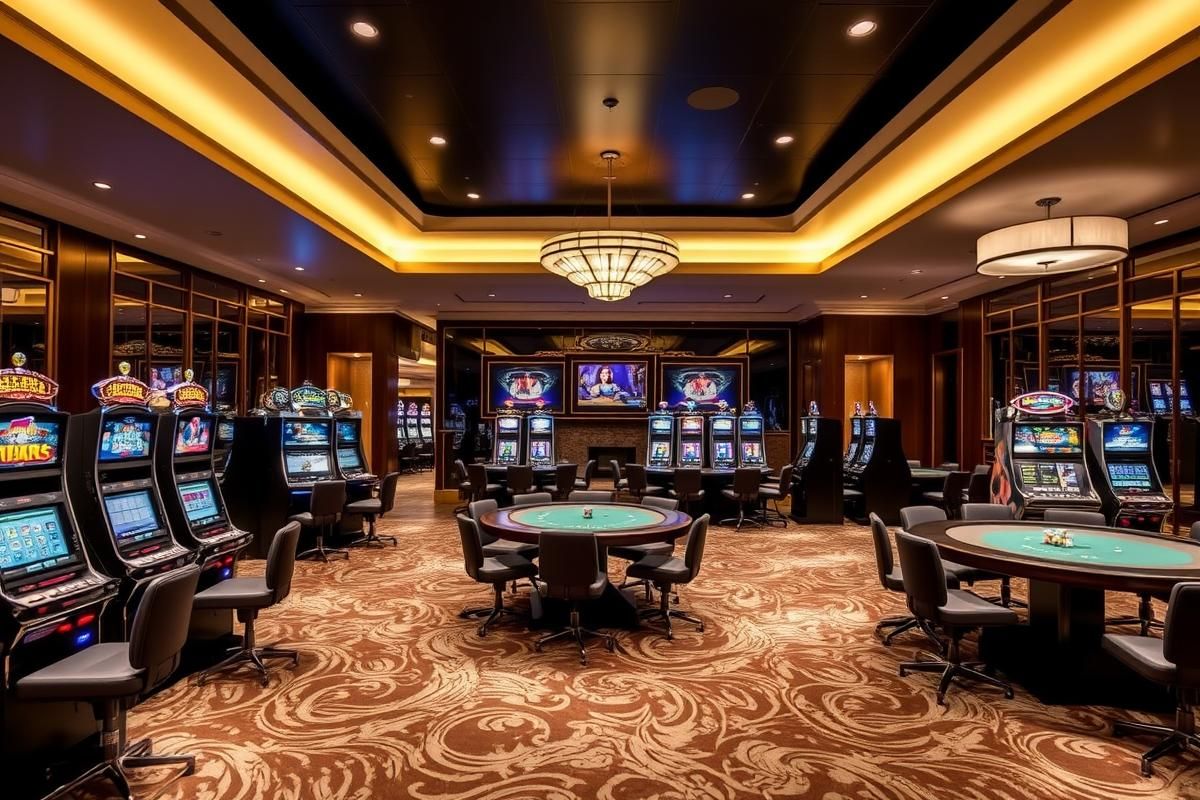
Amidst a steady decline in tourism numbers, Las Vegas is revisiting its regulatory framework for gaming salons. By loosening restrictions, the city hopes to attract an elite clientele, revitalize tourism, and maintain its global gaming dominance.
- Understanding the Current Tourism Crisis
- The Evolution of Private Gaming Salons
- Recent Changes to Salon Regulations
- Key Adjustments Under SB 459
- What This Means for Las Vegas Tourism
- Potential Benefits of Looser Rules
- Regulatory and Industry Challenges
- Comparing Regulatory Frameworks – Then vs. Now
- Conclusion
Understanding the Current Tourism Crisis
Las Vegas has experienced a consistent drop in visitor numbers in 2025 compared to the previous year. This troubling trend coincides with increasing competition from rivals prioritizing non-gaming entertainment, as well as substantial anti-money laundering (AML) fines for major casinos. To combat this, Las Vegas is focusing on private gaming salons as a strategy for regaining its foothold in international tourism.
The Evolution of Private Gaming Salons
Private gaming salons, created in the early 2000s, provide exclusive spaces for high rollers, celebrities, and wealthy international visitors. These salons were intended to enhance Las Vegas’s global appeal by introducing luxury gaming experiences. Initially, only the biggest casinos on the Strip could host salons, with stringent entry requirements like minimum deposits of $300,000–$500,000. Over the years, these barriers were modestly reduced to adapt to economic challenges, but the accessibility to these spaces has remained limited.
Recent Changes to Salon Regulations
The Nevada legislature recently passed Senate Bill 459 (SB 459), introducing pivotal changes aimed at making salons more accessible while still maintaining regulatory oversight. The new measures include:
Key Adjustments Under SB 459
- Slot Wager Minimums: Casinos now have the flexibility to set their own slot wager minimums, removing the previous requirement of $500 per spin.
- Table Game Flexibility: Salons are no longer required to host table games as a prerequisite, allowing casinos to tailor offerings to their clientele.
- Potential Entry Threshold Reduction: Proposed rules aim to lower salon entry minimums to $10,000–$20,000, compared to historical thresholds.
What This Means for Las Vegas Tourism
The revamped regulations could have a significant impact on the city’s tourism landscape.
Potential Benefits of Looser Rules
- Reviving High-Roller Interest: Lower entry thresholds could entice high rollers back to Las Vegas, preventing further losses to international casinos.
- Stronger AML Oversight: Moving private high-stakes gaming into regulated casino salons improves compliance and reduces risks associated with unmonitored private games.
- Increased Revenue: Flexible options like poker in salons introduce new revenue streams for casinos while catering to changing market demands.
Regulatory and Industry Challenges
- Strained Compliance Resources: With expanded accessibility, regulators may need additional personnel to maintain robust oversight.
- Exclusivity vs. Mass Appeal: There is concern that reducing thresholds too much could dilute the luxury image of private salons, potentially alienating elite clientele.
Comparing Regulatory Frameworks – Then vs. Now
| Regulation Aspect | Pre-2025 | Post-SB 459 and Proposals |
|---|---|---|
| Minimum Slot Wager | $500 | Set by casino, no statutory minimum |
| Minimum Salon Buy-in | $300,000–$500,000 | $10,000–$20,000 proposed |
| Table Game Requirement | Mandatory | Optional |
| Poker Access | Not standard | Potential inclusion |
| Eligible Properties | Large Strip venues only | Potentially broader |
Conclusion
As Las Vegas faces intensifying competition, adopting looser regulations for private salons represents a promising avenue to attract high-value clientele and reinvigorate tourism. The key will lie in finding a balance—broadening accessibility without diminishing the exclusivity that defines the elite gaming experience. If executed carefully, these reforms could ensure Las Vegas remains a global hotspot for luxury entertainment and gaming.