
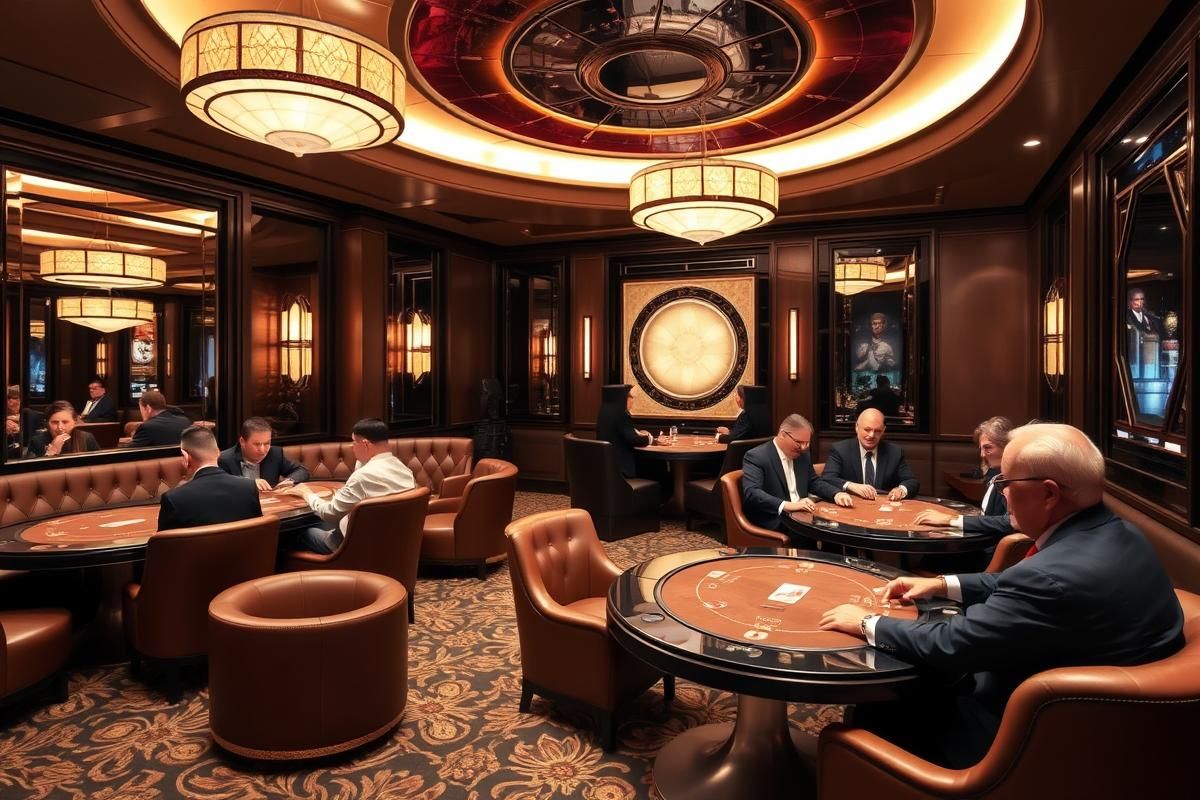
Las Vegas faces a tourism decline, and regulators are debating easing gaming salon rules to attract high-value visitors. Balancing innovation and compliance is key to ensuring success without risking Nevada’s reputation.
- The Current Tourism Decline in Las Vegas
- What Are Gaming Salon Regulations?
- Definition and History of Gaming Salons
- Proposed Changes to Salon Regulations
- The Impact of Looser Salon Regulations
- Benefits for Tourism and Economic Growth
- Compliance Challenges and Associated Risks
- Industry Comparisons: Cosmetology Salons
- Conclusion
The Current Tourism Decline in Las Vegas
Las Vegas has been experiencing a steady drop in visitor numbers throughout 2025 compared to the previous year, 2024. Even flagship casinos along the iconic Las Vegas Strip, such as Wynn, MGM, and Resorts World, have faced compliance issues. These casinos have paid substantial fines due to anti-money laundering (AML) failures, reflecting broader challenges within the industry.
What Are Gaming Salon Regulations?
Definition and History of Gaming Salons
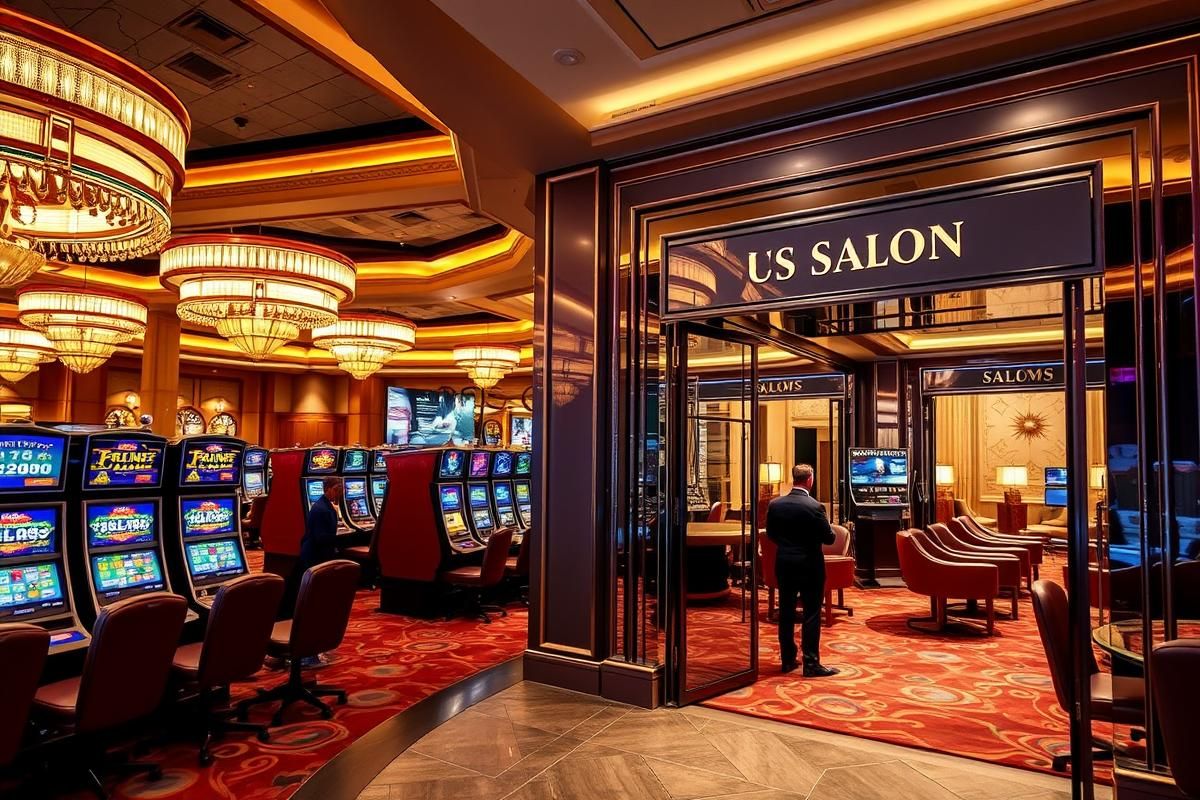
Gaming salons are exclusive, private spaces within casinos designed to attract elite, high-paying players. Initially approved in Nevada after the 9/11 downturn in 2001, these salons offered affluent visitors a premium gambling experience. Initially, entry required a $500,000 deposit, which was later reduced to $300,000 during the 2008 financial crisis. Currently, only major Strip resorts operate these facilities.
Proposed Changes to Salon Regulations
To address tourism challenges, Nevada regulators are considering reforms to gaming salon rules. Key proposals include:
- Lowering the access minimum from the current $300,000 to as low as $10,000.
- Expanding the variety of games allowed within salons, including poker.
- Relaxing certain oversight requirements to streamline operations.
Regulators suggest a moderate threshold, such as a $20,000 minimum, to balance exclusivity with broader accessibility while managing oversight capabilities effectively.
The Impact of Looser Salon Regulations
Benefits for Tourism and Economic Growth
Relaxing salon regulations could serve as a significant catalyst for Las Vegas tourism recovery by targeting high-value clients, including celebrities and corporate executives. These elite gaming rooms offer a level of privacy and exclusivity absent on the main casino floor, making them a major attraction for premium visitors. Furthermore, bringing private poker games into regulated environments might generate additional revenue and improve compliance oversight for casinos.
Compliance Challenges and Associated Risks
While reducing salon access thresholds could attract more visitors, regulators warn of potential challenges. Lower limits may strain oversight resources, elevate risks of anti-money laundering failures, and jeopardize Nevada’s reputation as the “gold standard” for gaming regulation. Proposed compromises, such as moderate access limits and enhanced regulatory checks, aim to marry innovation with compliance.
Industry Comparisons: Cosmetology Salons
While Nevada considers loosening gaming salon rules, there is no similar momentum for altering cosmetology salon regulations. In other regions, there is ongoing debate about reducing licensing requirements for cosmetologists. However, industry advocates strongly oppose such measures, emphasizing their potential risks to consumer safety, business liability, and professional reputations. In Nevada, cosmetology salons continue to operate under strict regulatory standards, ensuring their compliance and operational integrity.
Conclusion
Loosening regulations for private gaming salons presents an opportunity for Las Vegas to reverse its tourism decline by appealing to high-net-worth visitors and reinvigorating gaming revenues. However, this effort hinges on striking the right balance between accessibility and oversight, ensuring that Nevada retains its global reputation for rigorous gaming governance.