Illinois’ groundbreaking per-bet sports betting tax has triggered major reactions from leading sportsbooks like BetMGM. Higher minimum wagers, surcharges, and strategic shifts define the industry’s response as operators adapt to increasing state regulations.
Illinois’ Per-Bet Tax: A Game-Changer for Sportsbooks
In July 2025, Illinois became the first state in the U.S. to impose a per-bet tax on sports wagering, designed to tap into its flourishing betting market. This new regulation charges $0.25 per bet up to $20 million in annual online handle and escalates to $0.50 per wager beyond that threshold. Introduced as part of the state’s budget amendment, the tax has caused shockwaves across the industry.
Being one of the largest regulated sports betting markets in the U.S., Illinois has set a precedent for imposing such operator-level fees. Sportsbooks now face significant cost burdens, sparking swift responses to preserve profitability.
BetMGM’s Minimum Wager Policy: A Direct Response
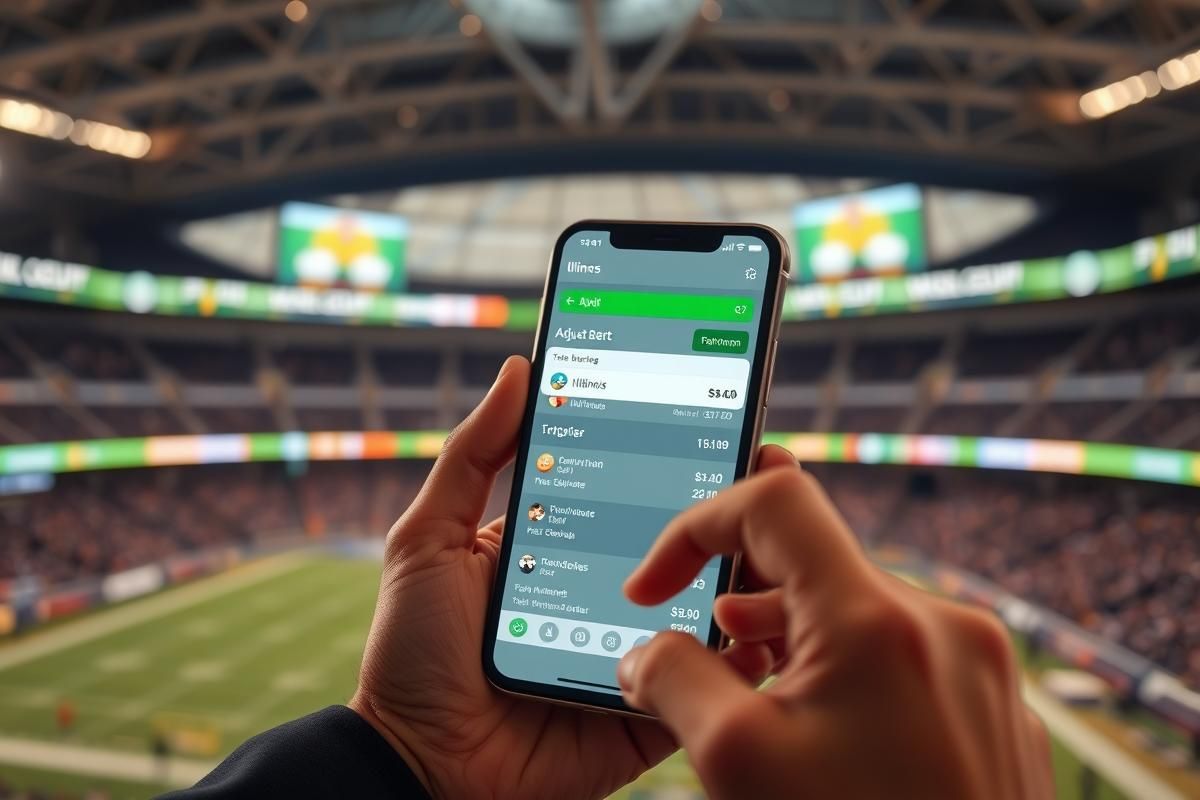
As of July 16, 2025, BetMGM requires a minimum wager of $2.50 for all bets placed in Illinois. This policy applies to every bet type, including parlays, straight bets, live in-play wagers, and promotional bonus bets. Before this, many operators allowed wagers well below $2.50, supporting micro-betting trends.
This shift responds directly to the per-bet tax. BetMGM aims to cover increased operational costs without significantly impacting its profit margins. According to the company’s customer communications, this new minimum is mandatory for all Illinois bettors.
Competitor Responses: Surcharges and Alternative Strategies
Not all sportsbooks have raised minimum wagers in response to the Illinois law. Competitors like FanDuel and DraftKings are implementing $0.50 transaction surcharges starting September 2025, aligning closely with the tax structure. Meanwhile, Fanatics plans to apply a $0.25 surcharge per wager, striking a balance between recouping costs and maintaining competitive pricing.
Other sportsbooks are adopting mixed approaches, splitting costs between small surcharges and limited increased minimum bets. These changes reflect an industry-wide recalibration to accommodate Illinois’ innovative taxation.
Market Impacts and Industry Trends
The shift towards higher minimum bets and surcharges marks a departure from the traditional operator strategy of absorbing costs. Transparency around these changes fosters a better understanding among players, as sportsbooks aim to maintain service quality without cutting into profit margins.
Illinois’ regulatory innovation has also prompted discussions in other states eyeing similar taxation models. Operators must now adopt creative methods to remain competitive while meeting new financial obligations.
MLB’s Automated Strike Zone: A Betting Market Revolution
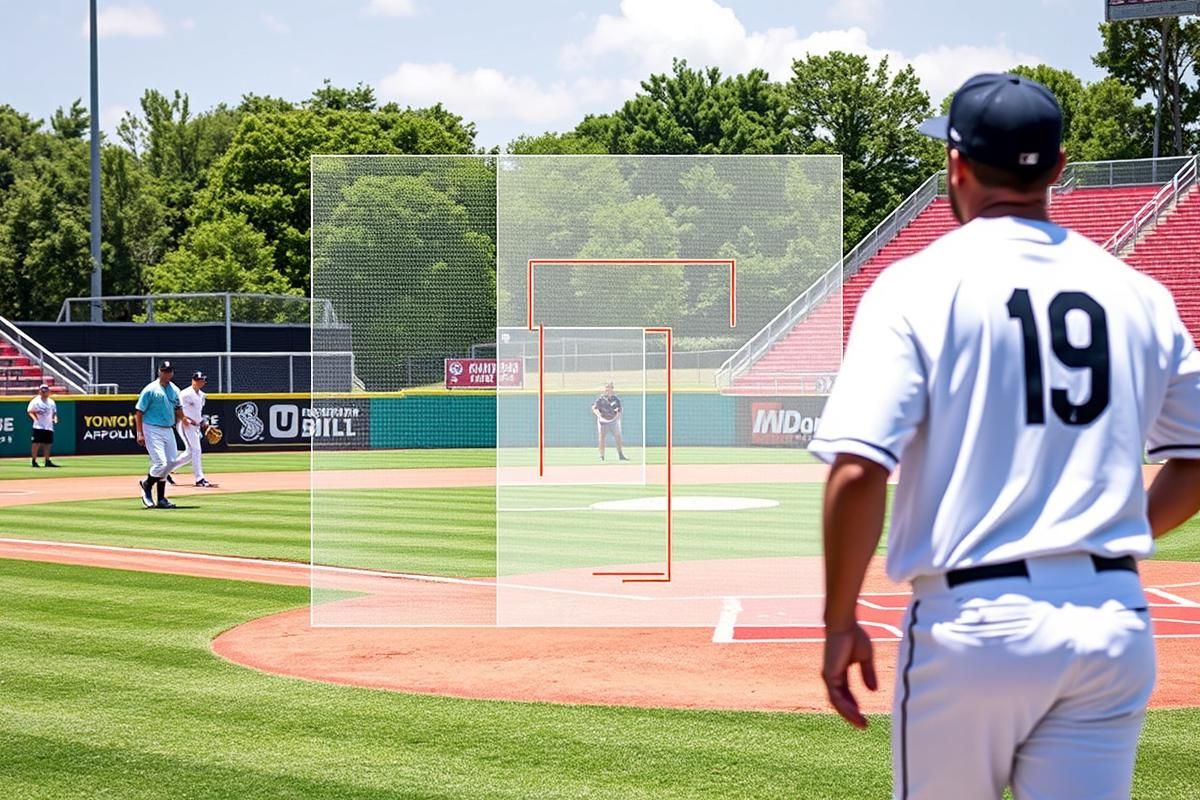
Concurrent with sportsbook tax adaptations, Major League Baseball is testing its automated strike zone system, often referred to as “robot umpires.” Piloted during the 2025 season in select minor league games, the system uses advanced ball-tracking tech for consistency in calling balls and strikes.
While it has garnered praise for accuracy, critics question how it may impact the game’s pace and dynamics. For sportsbooks, however, the precision of automated strike calling opens up new opportunities, particularly in live betting. Operators expect these advancements to boost micro-betting products like pitch-by-pitch wagering, further aligning technological progress with evolving customer preferences.
Conclusion
The new $2.50 minimum bet introduced by BetMGM underscores the growing impact of Illinois’ per-bet tax on sports betting operators. Competitors like FanDuel and DraftKings underscore adaptation through customer surcharges, while MLB’s robotic umpires signal further technological disruption in sports wagering markets. As regulatory, technological, and market forces converge, sportsbooks are evolving their strategies to navigate these changes effectively while staying competitive.