
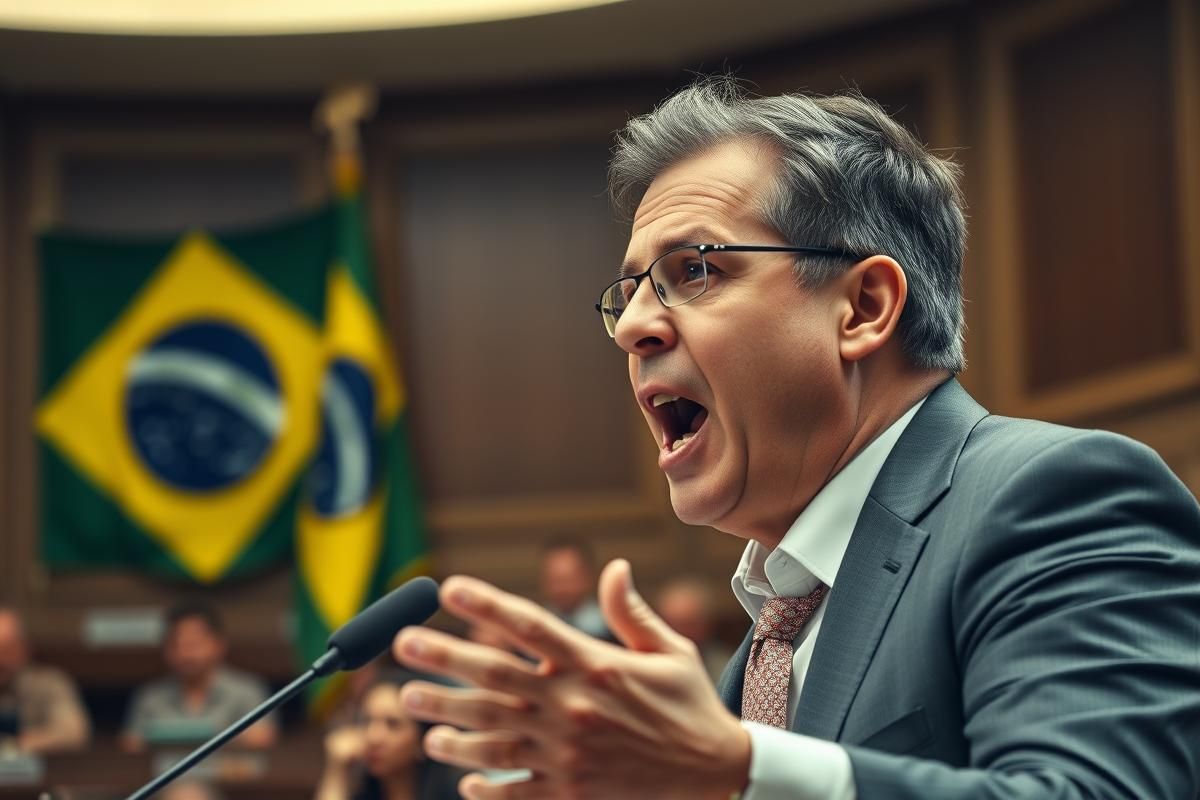
Senator Eduardo Girão’s recent push to ban betting in Brazil underscores mounting concerns over its negative influence on football and societal well-being. With heated debates in the Senate, Brazil’s gaming sector faces uncertainty regarding its future.
Regulated Betting and Its Rapid Rise in Brazil
Brazil’s journey into regulated betting began on January 1, 2025, transforming the market significantly. Legislation to regulate betting was aimed at modernizing the industry, attracting investments, and imposing stricter oversight. However, its rapid integration into football sponsorships and cultural prominence have raised public and political outcry over its impact.
Senator Eduardo Girão: Persistent Critic of Betting
Senator Eduardo Girão has positioned himself as a staunch opponent of legalized betting in Brazil. In a Senate plenary session in May 2025, he called for the repeal of recent gambling legislation and cited the following reasons:
- Rising Gambling Addiction: Girão highlighted growing levels of addiction, family debt, and related social disorders linked to betting.
- Football Integrity Concerns: Clubs’ reliance on betting sponsorships, he argues, is compromising the credibility of Brazilian football.
- Humanitarian Harm: Girão referred to the socioeconomic fallout as a “humanitarian tragedy,” with millions of people suffering financial losses.
Legislative Actions by Girão
Senator Girão has spearheaded various legislative initiatives aimed at reversing the liberalization of Brazil’s betting market and curbing its societal impact:
- A bill proposing a complete ban on betting, awaiting progression in the legislative process.
- Legislation to restrict betting advertisements and prohibit celebrity endorsements of gambling platforms.
- Calls for a Parliamentary Inquiry Commission to investigate troubling relationships between the Brazilian Football Federation (CBF) and betting operators.
Betting Sponsorships in Football: Controversial Partnerships
Girão has repeatedly criticized the pervasive role of betting in football sponsorships. Betting companies have become major financial sponsors for Brazilian football clubs, creating what critics describe as a dependency that threatens the sport’s spirit and fairness.
One notable example of resistance is Flamengo coach Filipe Luís’s decision not to participate in betting-related campaigns despite his club’s association with betting sponsors. Such incidents underscore the ethical dilemmas posed by gambling sponsorships.
Broader Gambling Laws Under Debate
The call for a betting ban comes amid wider discussions in Brazil’s Senate regarding other forms of gambling, including potential legalization of land-based casinos and bingo halls. Girão has criticized these proposals, arguing that they fail to prioritize the social costs associated with legalized gambling.
At the same time, some lawmakers are advocating for stricter regulations on online gambling platforms instead of outright bans. This has led to divisive policy debates over the future trajectory of the gambling industry.
Conclusion: Brazil Faces a Turning Point in Betting Regulation

Senator Eduardo Girão’s push for a betting ban signals a critical juncture in Brazil’s efforts to balance regulations with societal concerns. While regulated betting brought new revenue streams and modernization, critics argue that its toll on addiction, family welfare, and football integrity cannot be ignored. Decisions made in the coming months will shape Brazil’s gambling industry and its wider impact on society and sports.