Bally’s Corporation has unveiled an ambitious $4 billion casino and resort project in the Bronx, New York. If approved, the proposed development would be the largest private investment in the borough’s history, with transformative potential for its economy, entertainment industry, and infrastructure. However, it’s facing major regulatory, environmental, and community challenges.
- Project Overview: Bally’s Bronx Casino and Resort
- Scope and Features
- Development Goals
- Legislative and Licensing Milestones
- Zoning and Parkland Alienation
- Competitive Licensing Process
- Community Response and Environmental Concerns
- Promises and Opposition
- Market Landscape and Competitive Challenges
- Political and Corporate Positioning
- Conclusion
Project Overview: Bally’s Bronx Casino and Resort
Scope and Features
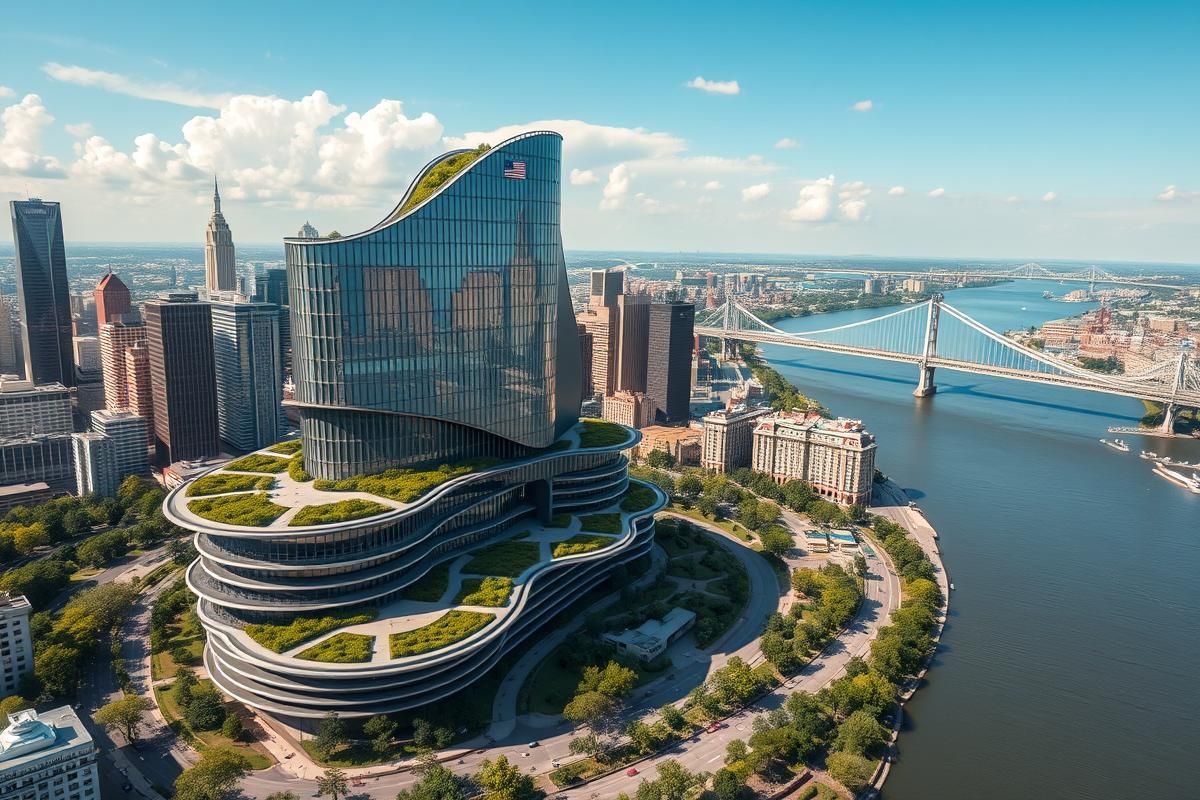
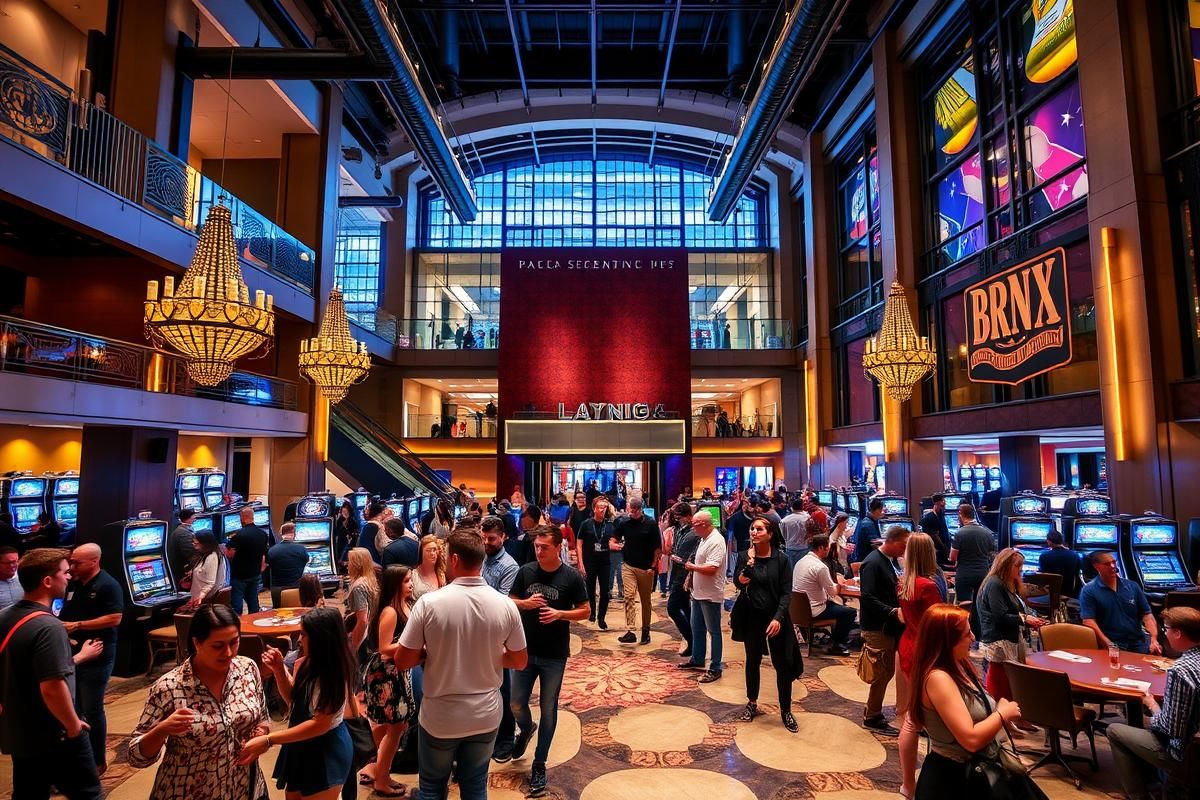
The proposed project will cover 3 million square feet, making it a cornerstone of urban redevelopment for the Bronx. Key features include:
- Location: Ferry Point Park, Throggs Neck, adjacent to the Bronx-Whitestone Bridge.
- Gaming Area: A 500,000 sq. ft. casino floor with 3,500 slot machines and 250 table games including poker.
- Hotel: A 23-story luxury structure featuring 500 guest rooms.
- Event Facilities: A 2,000-person event center, convention spaces, and flexible meeting rooms.
- Food, Beverage, and Retail: Over 100,000 sq. ft. of restaurants and shops, incorporating themes tied to Bronx culture.
- Parking: Capacity for approximately 4,600 vehicles, easing congestion concerns.
- Green Architecture: Incorporates sky bridges, landscaped terraces, and eco-friendly rooftops.
Development Goals
Beyond entertainment, the project aims to generate tens of thousands of local jobs, bolster tax revenues, and catalyze infrastructure enhancements in the Bronx. Bally’s emphasizes its commitment to creating a community-focused development that aligns with local values and urban priorities.
Legislative and Licensing Milestones
Zoning and Parkland Alienation
After gaining state and city legislative approvals in June 2025, Bally’s cleared several zoning hurdles, securing 16 acres of parkland for development. This “parkland alienation” process has drawn both political support and public backlash due to concerns over environmental preservation.
Competitive Licensing Process
Bally’s Bronx project competes for one of New York’s three prized downstate gaming licenses. The state’s final decision on license allocation is expected by December 31, 2025, following an extensive review process involving environmental, zoning, and community considerations.
Community Response and Environmental Concerns
Promises and Opposition
While Bally’s anticipates economic benefits and job creation, the proposal faces pushback from local residents. Concerns include:
- Traffic Congestion: Critics worry about the added strain on the Bronx-Whitestone Bridge and nearby highways.
- Loss of Parkland: Environmental advocates challenge the repurposing of public green spaces.
- Market Saturation: Skepticism over the economic viability of another major casino within proximity to Empire City in Yonkers.
Bally’s argues that these issues will be mitigated through responsible urban planning, environmental offsets, and expanded public amenities as part of the project.
Market Landscape and Competitive Challenges
| Bally’s Bronx Proposal | Competing Locations (Times Square, Citi Field) |
|---|---|
| Largest private investment in Bronx history | Proximity to high-demand business and tourism hubs |
| Focus on infrastructure and local economy | Better-aligned with existing entertainment options |
| Mixed community reactions and environmental resistance | Localized opposition varies by neighborhood |
Political and Corporate Positioning
The project has garnered crucial support from city authorities, including New York Mayor Eric Adams, who endorsed the proposal in a move to reduce council voting thresholds. Bally’s is leveraging its diverse leadership team and emphasizing its “community-first” agenda to appeal to local stakeholders.
Conclusion
Bally’s $4 billion Bronx casino proposal represents a potential game-changer for the borough’s economy and entertainment sector. However, the project must navigate significant regulatory hurdles, local community opposition, and a competitive licensing process. As New York inches closer to its final licensing decisions, all eyes remain on how Bally’s addresses these challenges and maximizes its chances of success.