

California’s cardroom industry is facing an existential threat. With a major lawsuit filed by gaming tribes and regulatory changes on the horizon, the state’s gambling landscape may undergo transformative changes. Tribal casinos argue for exclusive rights to lucrative games, while cardrooms fight for survival, potentially impacting local economies and thousands of jobs.
- Understanding the Tribal vs. Cardroom Gaming Conflict
- The Agua Caliente Lawsuit: Tribal Push for Enforcement
- New Proposed Regulations Compounding Industry Challenges
- Economic Impacts: Communities in the Crossfire
- What’s Next for California’s Gaming Landscape?
- Conclusion: A Turning Point for California Gaming
Understanding the Tribal vs. Cardroom Gaming Conflict
The longstanding tension between California’s tribal casinos and cardrooms stems from gaming exclusivity laws. California’s gaming compacts, established in 1988 after the Indian Gaming Regulatory Act (IGRA), grant tribes exclusive rights to run house-banked table games such as blackjack, which generate billions in revenue for their communities. Cardrooms, on the other hand, rely on a player-banked model, which avoids directly competing with the house.
However, by utilizing third-party proposition player services (TPPPs), cardrooms offer games that tribes allege are nearly indistinguishable from house-banked games. As a result, disputes over legality have persisted for decades, with tribes asserting that cardrooms are violating their exclusivity agreements.
The Agua Caliente Lawsuit: Tribal Push for Enforcement
In January 2025, seven major gaming tribes in California filed the “Agua Caliente” lawsuit in an effort to ban cardrooms from providing specific table games facilitated through TPPPs. The tribes contend that such operations undermine their legal exclusivity, causing financial harm to tribal casinos, which depend on gaming revenue for essential services such as healthcare, education, and infrastructure.
Adding to the cardrooms’ woes, the state enacted Senate Bill 549 in September 2024. Dubbed the “Tribal Nations Access to Justice Act,” SB 549 allows tribes to sue cardrooms for alleged violations while shielding tribes from counter-lawsuits. This legislation has further escalated tensions, with cardrooms labeling it an unconstitutional overreach that targets their industry unfairly.
New Proposed Regulations Compounding Industry Challenges
Simultaneously, the cardroom industry faces new regulatory hurdles. Proposed rules aimed at tightening oversight of TPPP activity could ban or heavily restrict their usage. Additionally, these reforms could require cardrooms to redesign their game structures to ensure clearer compliance with state law.
Such drastic changes pose a significant risk to cardrooms, many of which have relied on their current gameplay models for years. Industry leaders warn that the proposed regulations could cripple cardroom operations, leading to closures, job losses, and financial instability for local municipalities reliant on cardroom tax revenues.
Economic Impacts: Communities in the Crossfire
Cardrooms play a critical economic role in California, particularly in urban areas where they generate jobs, tax revenue, and support local business ecosystems. Sudden regulatory changes or adverse legal outcomes could destabilize these communities. For example:
- Cardrooms provide tens of thousands of jobs across the state.
- Local governments depend on tax revenues generated by cardrooms to fund public services.
- Elimination of cardrooms could lead to economic hardship in vulnerable areas.
On the flip side, tribal casinos highlight the importance of preserving their exclusive rights for maintaining tribal sovereignty and funding essential programs. Their argument emphasizes that encroachment by cardrooms undermines the intent of the state’s gaming compacts.
What’s Next for California’s Gaming Landscape?
The legal battle between cardrooms and tribal casinos is far from over. Cardrooms have mounted a robust legal defense, arguing that their operations comply with long-standing approvals by state regulatory bodies such as the California Department of Justice and the Gambling Control Commission. They also allege that SB 549 violates constitutional principles of due process and is inconsistent with federal gambling laws.
As the case proceeds, its resolution will have profound implications for California’s gaming sector. Should the tribes prevail, regulatory strictures and legal precedents could lead to the closure of non-tribal cardrooms across the state. Conversely, a victory for cardrooms would secure their survival but further inflame tensions within the gaming industry.
Conclusion: A Turning Point for California Gaming
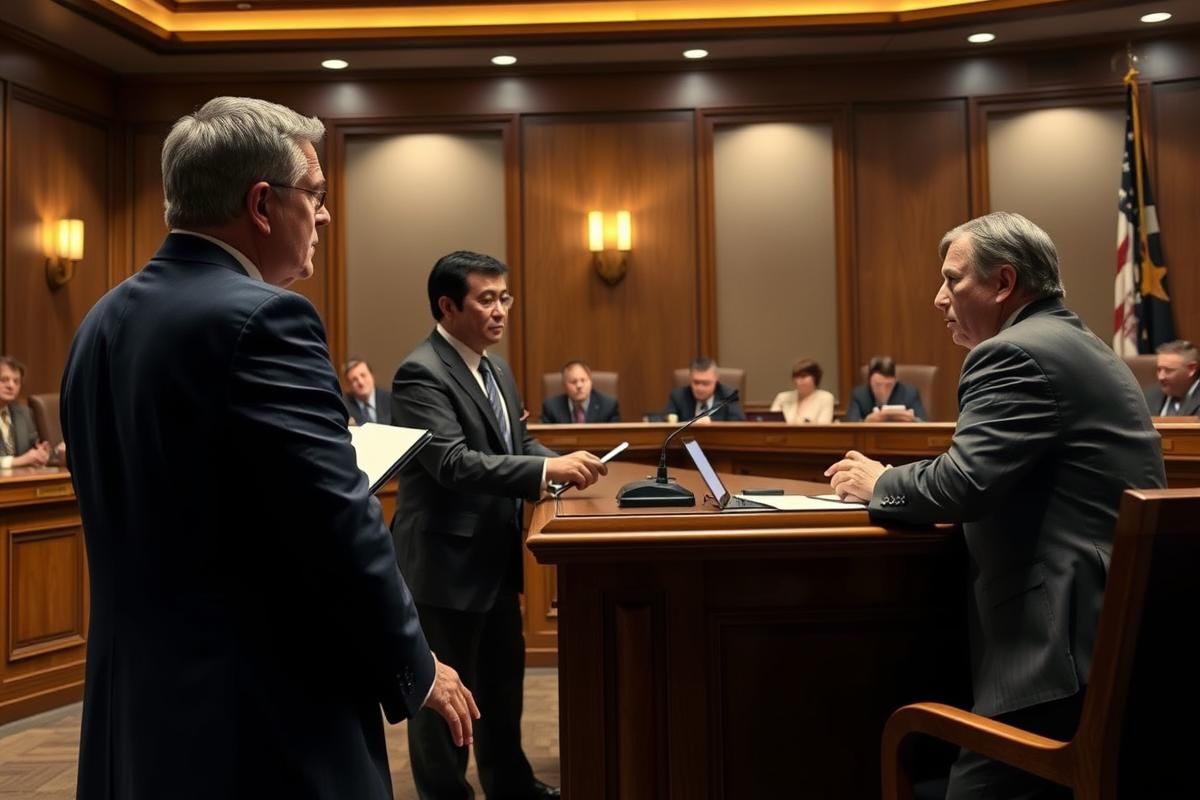
With tribal lawsuits, new legislation, and proposed regulatory changes all converging, the future of non-tribal gaming in California hangs precariously in the balance. The stakes are high for both tribal governments and urban communities reliant on cardrooms. As these battles play out in courtrooms and regulatory agencies, their outcomes could redefine the state’s gaming landscape for years to come.