California’s gambling industry faces a critical turning point as Native American tribes and cardrooms clash in a pivotal lawsuit over gaming rights. This escalating legal battle could redefine the state’s gambling landscape, shaking up local economies and impacting countless lives.
- The Backstory: Tribal Casinos vs. Cardrooms
- New Legislation Opens Legal Doors
- Senate Bill 549: Tribal Nations Access to Justice Act
- The January 2025 Lawsuit Unfolds
- Details of the Case
- Cardrooms Fight Back
- The Stakes: Economic and Industry Implications
- Impact on Local Economies
- Potential Impact on the Gambling Ecosystem
- Conclusion: A Disputed Future for Gambling in California
The Backstory: Tribal Casinos vs. Cardrooms
For over two decades, California law has granted Native American tribes exclusive rights to Class III gaming, including house-banked games like blackjack and pai gow poker. This exclusivity was established to help tribes generate revenue, supporting economic development for historically disadvantaged communities.
Conversely, cardrooms have operated under strict regulations that allow them to offer table games only if players bet against one another, not the house. Over the years, cardrooms emerged alongside third-party providers (TPPs) to facilitate these games. However, tribes argue this setup violates their rights to exclusivity and mimics house-banked gaming.
New Legislation Opens Legal Doors
Senate Bill 549: Tribal Nations Access to Justice Act
In November 2024, the California Legislature passed Senate Bill 549, also known as the Tribal Nations Access to Justice Act, signed into law by Governor Gavin Newsom. This pivotal law allows tribal casinos to sue cardrooms and their third-party partners for offering disputed games, such as blackjack and pai gow poker.
- The bill provided a three-month window, beginning January 1, 2025, for tribes to file lawsuits against cardrooms.
- Under SB 549, courts will focus solely on the legality of the disputed games. No financial damages or attorneys’ fees are awarded to tribes.
The January 2025 Lawsuit Unfolds
Details of the Case
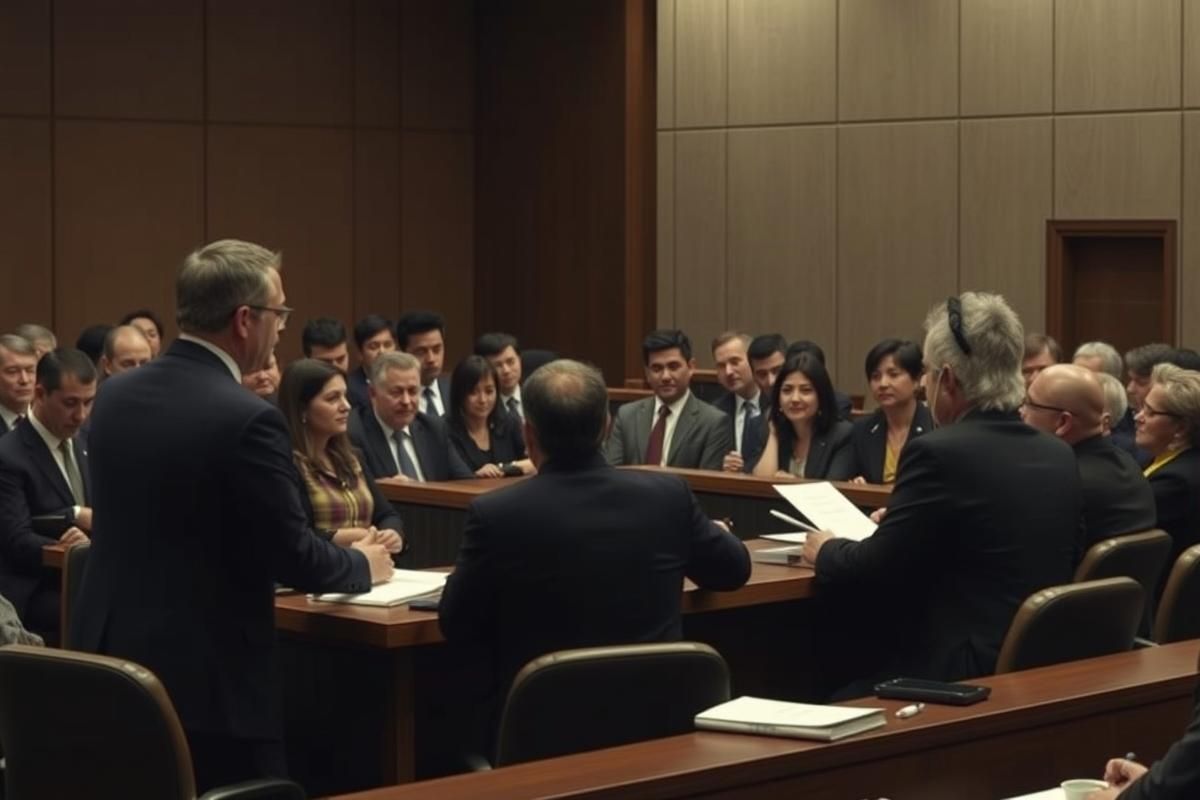
On January 3, 2025, seven Native American tribes filed a lawsuit against dozens of California cardrooms in Sacramento County Superior Court under case number 25CV000001. This legal action asserts that cardrooms, by collaborating with TPPs, unlawfully offer house-banked games, infringing upon tribal exclusivity.
Cardrooms Fight Back
Cardrooms responded aggressively to these claims. By May 2025, they had taken measures to contest the lawsuit, including filing motions to challenge the constitutionality of SB 549. The California Gaming Association, which represents cardrooms, argues that these games have operated legally under strict state regulation for decades.
“SB 549 undermines federal law, constitutional principles, and due process,” said Kyle Kirkland, President of the California Gaming Association. The association accuses tribes of using legal and legislative routes to stifle competition in the gambling industry.
The Stakes: Economic and Industry Implications
Impact on Local Economies
The outcome of this lawsuit could deeply affect California’s economy. Many cities derive substantial portions of their budgets from cardroom tax revenue. Some municipalities rely on this funding—nearly half of their general budgets—for essential services such as police, fire departments, and infrastructure.
Additionally, thousands of Californians are employed by cardrooms, from dealers to operational staff, providing critical income for families and communities reliant on the gambling industry.
Potential Impact on the Gambling Ecosystem
A ruling in favor of the tribes could ban or restrict third-party-operated games in cardrooms, cementing tribal casinos’ dominance over certain gambling verticals. Conversely, if the courts side with the cardrooms, it would preserve their operations and potentially bolster competition within California’s gambling industry.
Conclusion: A Disputed Future for Gambling in California

The legal battle between California’s tribal casinos and cardrooms is not just a fight over gaming rights—it’s a high-stakes determination of the industry’s future in America’s largest state. With the next court hearing scheduled for August 2025, the verdict could reshape state revenue distribution, employment, and influence over gambling operations. As both sides strengthen their arguments, industry stakeholders eagerly await a ruling that will set a precedent for decades to come.