
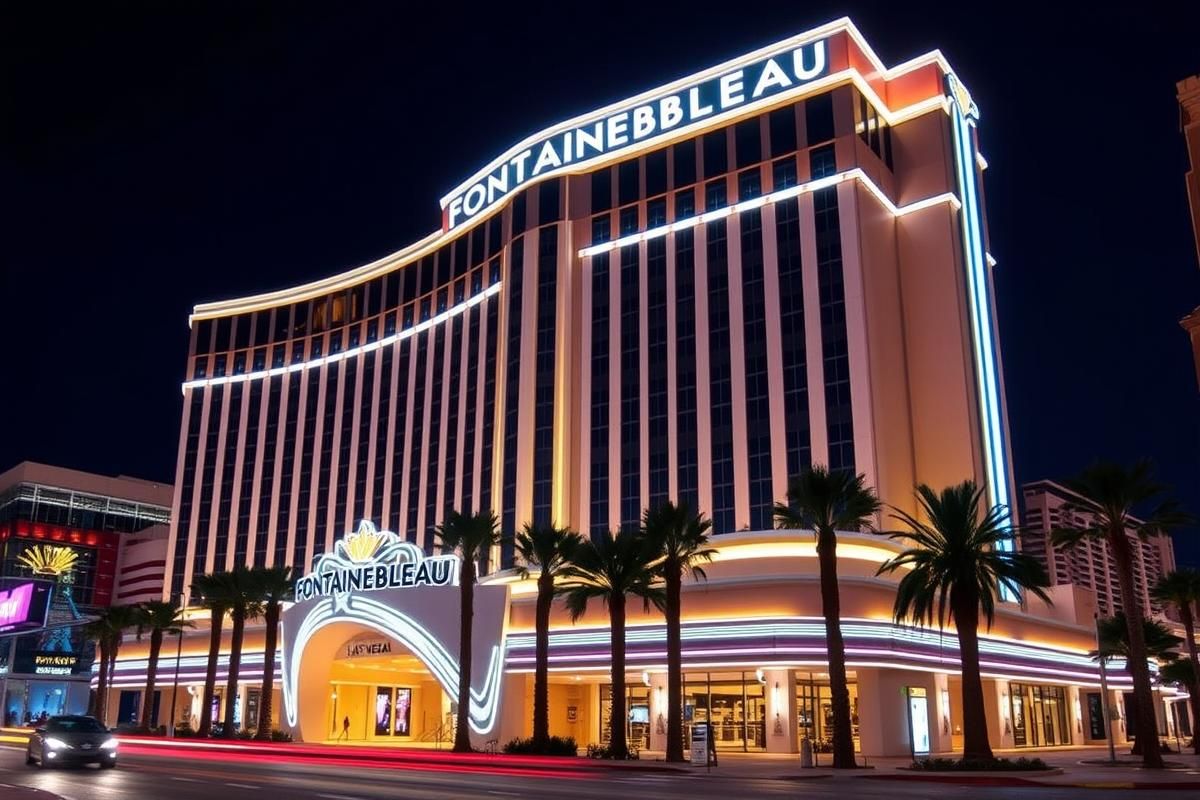
The Fontainebleau Las Vegas, a striking $3.7 billion addition to the Strip, has recently faced scrutiny due to an anti-money laundering (AML) investigation initiated by Nevada regulators. This probe may reshape compliance practices within the gaming industry, as it uncovers concerns over credit issuance and management practices.
How the Investigation Was Uncovered
The AML investigation at Fontainebleau first came to light during a routine Nevada Gaming Commission hearing on the licensing approval of Maurice Wooden, Fontainebleau’s president since January 2024. Commissioner Rosa Solis-Rainey raised questions about irregularities specific to credit issuance practices at the casino. Wooden, however, expressed being unaware of the matter, which led to an intense exchange among regulatory officials about the appropriateness of publicly discussing a confidential probe.
Nevada Gaming Control Board (NGCB) Chair Kirk Hendrick promptly halted the discussion, emphasizing the necessity for internal review before divulging details further in a public setting. The inadvertent leak has now drawn significant attention to the regulatory oversight of Fontainebleau.
Details Behind the Investigation
- The audit that initiated the probe highlighted questionable decisions regarding credit issuance to casino patrons.
- Allegedly, ownership overruled management’s policies in certain cases, raising compliance concerns under federal Bank Secrecy Act regulations.
- This investigation reflects Nevada gaming regulators’ intensified focus on AML measures across casinos in the state.
Impact on Gaming Licenses and Regulatory Measures
The ongoing investigation heavily influenced the Nevada Gaming Commission’s decision to grant Maurice Wooden a limited two-year license. The unanimous vote emphasized regulatory caution due to unresolved concerns. Wooden’s legal counsel expressed dissatisfaction, stating that the investigation had not surfaced during the background check process, denying Wooden an opportunity to address the issues earlier.
The Commission and the NGCB underscored that AML compliance remains a top priority for Nevada’s gaming industry, ensuring that all operators adhere to stringent standards to prevent money laundering risks.
Heightened Regulatory Context in Nevada
The Fontainebleau investigation is part of a broader trend of intensified scrutiny on casino operations, particularly in southern Nevada. The NGCB, tasked with leading investigations, and the Nevada Gaming Commission, responsible for granting licenses, are collaborating more closely to monitor compliance gaps and enforce corrective action wherever needed.
Key Takeaways from the Fontainebleau Case

The regulatory slip-up that revealed the Fontainebleau AML investigation has underscored critical challenges in balancing transparency with confidentiality within Nevada’s gaming sector. While the investigation remains ongoing, its implications for casino management, credit issuance protocols, and AML compliance practices are profound. This incident also highlights the heightened level of accountability now imposed on high-profile gaming operations.
As Nevada regulators continue to prioritize AML measures, the industry may see further investigations and stricter enforcements to ensure compliance across all gaming entities.