
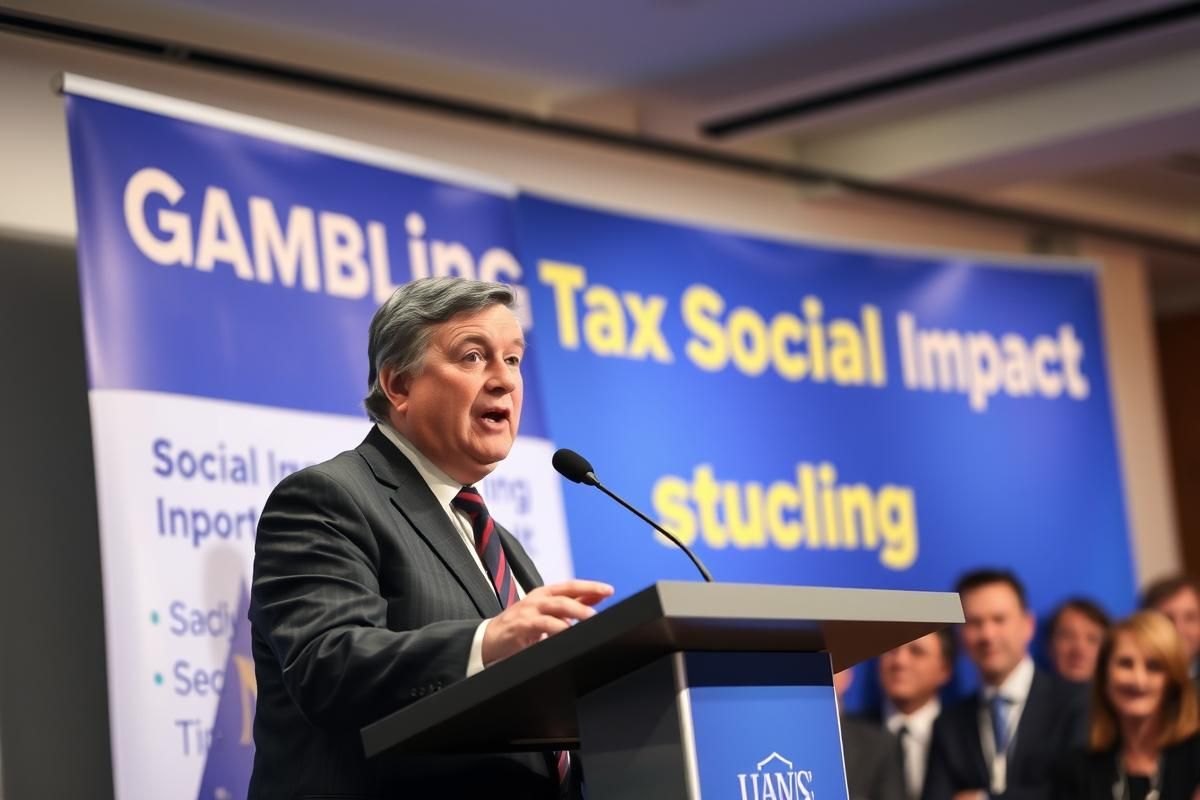
Former UK Prime Minister Gordon Brown has reignited conversations around gambling taxation with his recent proposal to significantly increase gambling taxes. His plan aims to generate billions in additional revenue to combat child poverty by repealing the two-child benefit cap. This article explores the proposal’s context, key aspects, and potential impact on the iGaming industry and beyond.
Understanding Gordon Brown’s Gambling Tax Proposal
Policy Overview and Objectives
Announced in August 2025, Gordon Brown’s proposal targets an increase in gambling industry taxes, citing findings from the IPPR think-tank. These reforms could yield an estimated £3.2 billion annually for the UK Treasury, funds that Brown suggests should be allocated to eliminate the two-child benefit cap. Removing the cap, he argues, could lift around 500,000 children out of poverty.
Key Goals of the Tax Reform
- Increased Taxation: Implement higher taxes on gambling industry profits.
- Addressing Poverty: Allocate generated revenue to fund policies aimed at reducing child poverty.
- Mitigation: Reduce gambling-related harm through fiscal incentives to discourage excessive gambling activities.
Responses to the Proposal
Support from Advocates
The tax reform proposal has won significant backing from social policy advocates and reform-focused policymakers:
- Reform Advocates: MPs Alex Ballinger and Dr. Beccy Cooper expressed support, emphasizing the need for more progressive gambling policies.
- Policy Think Tanks: The IPPR’s research bolsters Brown’s claims, providing financial and social justification for the proposed measures.
Criticism and Industry Concerns
The iGaming industry and some policy analysts have expressed strong reservations:
- Industry Stakeholders: Organizations like the Betting & Gaming Council argue that such tax increases could jeopardize the industry, with potential economic and job-related consequences.
- Policy Analysts: Experts caution against directly linking gambling tax revenues to specific social outcomes, highlighting potential economic disruption and the independence of these policy areas.
Potential Implications of the Proposal
Financial Impact
The proposal’s projected £3.2 billion could provide substantial resources for poverty alleviation measures. However, critics warn of potential job losses and shifts towards unregulated gambling markets due to higher costs for operators.
Social Outcomes
Brown’s plan reflects a growing trend of leveraging targeted industry taxation as a tool for achieving broader social goals. While its moral and ethical objectives are widely supported, the practicality of its implementation and the potential adverse effects on the gambling ecosystem remain contentious.
| Key Aspect | Supporter Perspective | Critic Perspective |
|---|---|---|
| Increased Gambling Taxes | Generates funding to combat poverty | Could harm the industry and increase unregulated gambling |
| Reforming Social Policies | Addresses systemic inequality | Direct linkage of tax revenue to social policies is risky |
Conclusion

Gordon Brown’s gambling tax reform proposal introduces an ambitious approach to public policy, aiming to tackle two significant issues—child poverty and gambling-related harm. While it has garnered support from social reform advocates, its reception among industry stakeholders and certain analysts reflects the complexity of implementing such measures effectively. The ultimate success of this initiative will depend on government resolve, public opinion, and its ability to balance industry sustainability with moral imperatives.