
Responsible gambling (RG) initiatives are designed to minimize the risks associated with gambling, but when shaped by middle-class perspectives, they often fail to resonate with working-class realities. Jon Bruford’s recent analysis reveals how this disconnect can hinder effective implementation, particularly in Africa, where socioeconomic disparities strongly influence gambling behaviors.
Historical Roots of Class Morality
The relationship between gambling and morality has historical roots tied to socioeconomic class. Middle-class norms have traditionally emphasized self-discipline and personal responsibility. This often led to viewing working-class habits such as gambling as moral failings or ‘vices.’
Historically, reformers tried to impose middle-class morality to ‘improve’ working-class conduct. However, this created tension between the groups when moral judgments failed to consider the realities of limited financial and social capital available to the working class.
Psychology of Class-Based Perceptions
How the Middle and Working Classes View Their World
Socioeconomic status influences how people perceive opportunities and threats:
- Middle-class individuals believe they can overcome challenges due to better social, financial, and cultural capital. For example, they have wider networks, institutional knowledge, and less financial stress.
- Working-class individuals often perceive the world as more threatening, with limited options and resources. Day-to-day struggles like meeting basic needs shape this outlook.
These differences create emotional and cognitive gaps between the two groups, especially when policies shaped by middle-class actors are applied to populations with fewer resources.
Access to Support Systems
Middle-class people often have access to robust support networks—friends, mentors, or counselors who can guide them through challenges. In contrast, working-class individuals are frequently isolated from institutional support systems, making them more vulnerable in high-risk situations, like gambling addiction.
Modern Responsible Gambling Challenges
As Bruford highlights, modern responsible gambling initiatives often reflect middle-class moral frameworks. Programs promoting self-discipline, budgeting, or self-exclusion are built for individuals with time, energy, and support to follow through. Yet, these same programs may be poorly suited for working-class gamblers, who face immediate pressures like financial instability.
Responsible gambling campaigns often fail to address the structural realities of poverty and limited social mobility. This can make these efforts appear judgmental or irrelevant to working-class audiences, undermining their effectiveness.
Lessons from African Contexts
In many African countries, gambling has become a means for working-class individuals to seek financial escape or supplemental income. However, when responsible gambling initiatives borrow heavily from Western, middle-class norms, they risk alienating local players. Programs need to be culturally and economically adaptable to fit Africa’s diverse socioeconomic realities.
Conclusion: Bridging the Gap for Better Outcomes
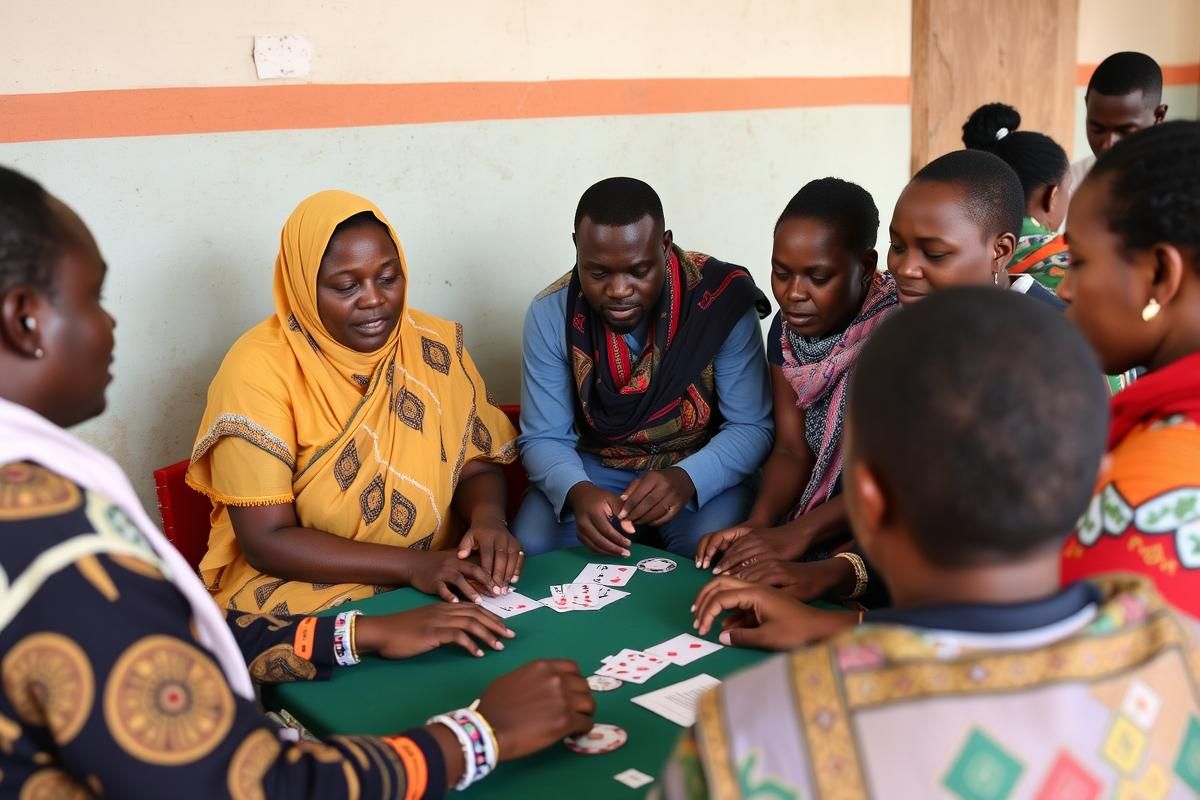
For responsible gambling initiatives to succeed in addressing issues across Africa, they must diverge from one-size-fits-all approaches rooted in middle-class morality. Inclusive models that account for the struggles and constraints of working-class gamblers can create more effective, compassionate strategies.
Policymakers, operators, and gambling advocates must collaborate to design programs that satisfy the unique realities of working-class players while maintaining a commitment to harm reduction.