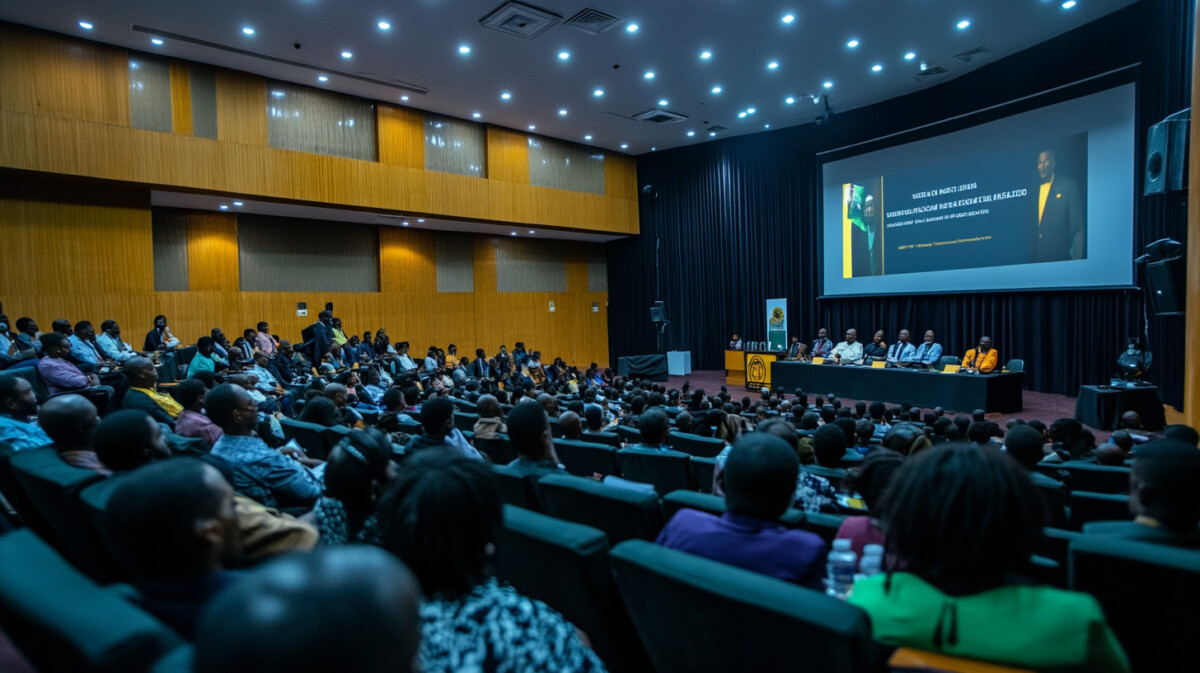
The gaming industry in Nigeria is undergoing a historic transformation with the introduction of the Subnational Reciprocity Licensing Framework. Launched by the Federation of State Gaming Regulators of Nigeria (FSGRN), this framework introduces the Universal Reciprocity Certificate (URC), a unified gaming license designed to simplify operations for gaming companies across the country.
- What Is the Subnational Reciprocity Licensing Framework?
- The Universal Reciprocity Certificate (URC)
- Eliminating Regulatory Challenges
- How the Framework Benefits the Industry
- Advantages for Operators
- Impact on Regulation and Revenue
- Transition Support: The 2025 Fee Waiver
- Application and Next Steps
- Conclusion
What Is the Subnational Reciprocity Licensing Framework?
The Subnational Reciprocity Licensing Framework is a groundbreaking initiative aimed at eliminating the fragmented regulatory system previously present across Nigeria’s states. By providing gaming operators with a single, universally accepted gaming license, it streamlines processes and encourages investment in Nigeria’s growing iGaming sector.
The Universal Reciprocity Certificate (URC)
At the heart of this initiative is the Universal Reciprocity Certificate (URC). This all-encompassing license covers gaming operations across all participating FSGRN member states. Designed with simplicity in mind, the URC applies to various popular gaming verticals, including:
- Online Sports Betting
- Online Casino Platforms
- Public Online Lottery
- Promotional Competitions
Eliminating Regulatory Challenges
Before the introduction of this framework, gaming operators faced significant hurdles. Licensing processes varied from one state to another, with each requiring separate applications, fees, and compliance procedures. This new system eliminates redundancy, creating a unified and cost-effective licensing environment.
How the Framework Benefits the Industry
The Subnational Reciprocity Licensing Framework offers substantial advantages for various stakeholders within the Nigerian gaming ecosystem, including operators, regulators, and the economy.
Advantages for Operators
- Reduced administrative burden and costs by eliminating multiple licensing requirements.
- Faster market entry into all participating states with a single license.
- Improved resource allocation, allowing companies to focus on growth and innovation.
Impact on Regulation and Revenue
- Increased transparency and regulatory coordination improve investor confidence.
- Boost in state revenues through standardized fees.
- Enhanced consumer protection and responsible gaming initiatives.
Transition Support: The 2025 Fee Waiver
To support a seamless transition, the FSGRN announced a full waiver of the 2025 license fees for operators previously licensed by the National Lottery Regulatory Commission (NLRC). However, operators must meet FSGRN requirements to qualify for this transitional benefit. Starting January 1, 2026, all licenses will need to be renewed with accompanying fees.
Application and Next Steps
Applications for the Universal Reciprocity Certificate are now open through the FSGRN Secretariat. Gaming operators previously licensed by individual states or the defunct NLRC must apply for the URC to continue operating legally within FSGRN member states.
Conclusion

The Subnational Reciprocity Licensing Framework is set to redefine Nigeria’s gaming industry. By eliminating regulatory fragmentation and offering incentives such as the 2025 fee waiver, the framework paves the way for sector-wide growth, innovation, and improved oversight. As Nigeria positions itself as a leading gaming market in Africa, this unified licensing system may serve as a model for regulatory harmonization across the continent.