
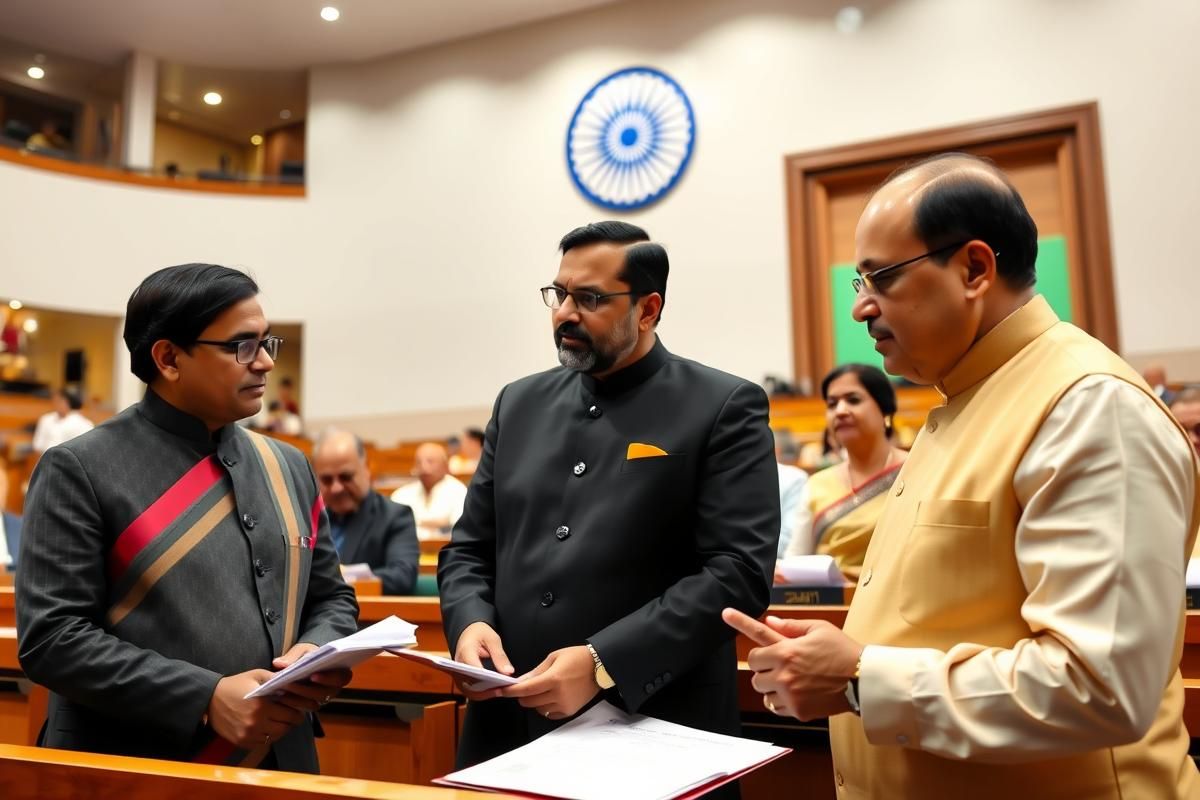
India’s recent enactment of the Promotion and Regulation of Online Gaming Bill, 2025, marks a pivotal shift in the gaming landscape with the complete prohibition of money-based online games. This legislation aims to curb gambling-related harms while promoting safer alternatives such as e-sports and educational gaming platforms.
- Overview of the 2025 Online Gaming Bill
- Key Provisions of the Bill
- Comprehensive Ban on Money-Based Online Games
- Implementation of Protections and Regulatory Oversight
- Promotion of Non-Monetary Gaming Platforms
- Motivations Behind the Ban
- Impact on the iGaming Industry
- Implications for Money-Based Gaming Platforms
- Growth Opportunities for Safe Gaming Sectors
- New Restrictions on Advertising
- Conclusion: A New Era for Online Gaming in India
Overview of the 2025 Online Gaming Bill
On August 22, 2025, India officially enacted the Promotion and Regulation of Online Gaming Bill, ushering in a significant legislative overhaul in the iGaming sector. The bill distinctly separates high-risk, money-based games from safer formats, providing clarity for operators and consumers alike.
Key Provisions of the Bill
Comprehensive Ban on Money-Based Online Games
- All money-based games, including betting, gambling, and fantasy sports with financial rewards, are banned.
- Operators, promoters, and advertisers of such games face strict penalties, including prison sentences of three to five years and fines up to ₹2 crore.
Implementation of Protections and Regulatory Oversight
- A Central Online Gaming Authority has been established to classify games, ensure compliance, and address user protection concerns.
- The law mandates the blocking of illegal platforms and halts financial transactions linked to prohibited gaming activities.
Promotion of Non-Monetary Gaming Platforms
- E-sports is officially recognized as a legitimate sport, fostering government-supported training academies and awareness campaigns.
- Social and educational games without monetary stakes are encouraged, with provisions for registration and support to promote cultural and digital literacy.
Motivations Behind the Ban
The bill’s rationale centers on the need to protect users, especially youth, from the adverse effects of money-based gaming while addressing national security concerns. Major motivations include:
- Combating addiction and financial harm: A reported 450 million Indians lost more than ₹20,000 crore annually to online money gaming, emphasizing the need for action.
- Safeguarding vulnerable groups: The government aims to shield youth and at-risk populations from gambling-associated risks.
- Enhancing financial integrity: The ban prevents money laundering and blocks illegal offshore operators undermining India’s economic ecosystem.
Impact on the iGaming Industry
Implications for Money-Based Gaming Platforms
The new ban has brought a complete halt to real-money gaming activities, including poker, fantasy sports, rummy, and online betting. Operators are now compelled to cease operations or pivot to skill-based, non-monetary alternatives.
Growth Opportunities for Safe Gaming Sectors
As money-based games shut down, the government is actively supporting the development of safe, innovative gaming formats:
- E-sports: Investments in infrastructure and education will promote growth and professionalization in gaming as a sport.
- Social/educational platforms: These games are expected to thrive under the new legislation, benefiting from official support and classification.
New Restrictions on Advertising
In addition to the ban on money-based games, platforms promoting or advertising these games face harsh penalties, forcing advertisers to pivot away from gambling-oriented marketing strategies.
Conclusion: A New Era for Online Gaming in India

India’s Online Gaming Bill, 2025, sets firm boundaries for the industry by banning all money-based online gaming activities while nurturing sustainable alternatives. With a focus on user protection, innovation, and digital safety, the law is reshaping the iGaming landscape and driving the sector towards a more responsible future.