

Kenya’s Betting Control and Licensing Board (BCLB) has introduced bold new restrictions on gambling advertisements, including a ban on influencer endorsements. This move aims to protect vulnerable populations but has sparked debate about creative freedoms and economic rights.
Kenya’s Recent Ban on Gambling Advertising
In April 2025, the BCLB imposed a 30-day suspension on all gambling advertisements. This pause allowed regulators to develop stricter rules protecting minors and at-risk groups from the potential harms of gambling exposure. Following extensive collaboration with agencies such as the Ministry of Interior and the Kenya Film Classification Board (KFCB), new guidelines were outlined for advertising standards.
Key Provisions of the New Advertising Guidelines
- All gambling-related ads require pre-approval by the BCLB and KFCB.
- Celebrity and influencer endorsements in gambling promotions are completely banned.
- Advertisements must include the BCLB license number, operator contact information, and an 18+ or responsible gambling disclaimer.
- Marketing messaging must avoid glamorizing gambling or linking it to social or financial success.
- Ads are prohibited near schools, places of worship, and other areas frequented by minors.
Response from Influencers and Digital Creators
The ban has sparked significant outrage among Kenyan influencers and content creators. Many have relied on collaborations with betting companies for substantial income. The new guidelines, they argue, not only impact their earnings but also stifle opportunities in Kenya’s growing digital creative economy.
Mercy Kamande, a prominent Nairobi-based influencer, expressed her concerns, emphasizing that creators now face economic uncertainty. While acknowledging the importance of protecting vulnerable groups, Kamande urged regulators to establish solutions that balance ethical advertising with economic opportunities for creators.
BCLB’s Efforts to Open Dialogue
To address these concerns, the BCLB held a dialogue session with influencers, aiming to foster a collaborative approach to responsible gambling campaigns. The meeting included discussions on the reasoning behind the ban and explored the potential for partnerships in promoting public education around responsible betting behaviors.
Stricter Enforcement and Broader Regulatory Goals
The overarching goal of the BCLB’s new regulations is to eliminate any glamorization of gambling. By separating betting activities from celebrity-driven promotions, the board aims to prevent the normalization of gambling as a path to fame or social status, particularly among impressionable youth. This initiative is part of a broader international trend focusing on public health and ethical advertising within the gambling industry.
Enforcement will be comprehensive, relying on a multi-agency framework guaranteeing stricter oversight of ad placement, design, and content approval. Regulators hope these measures will minimize gambling-related harm while setting a precedent for responsible advertising standards.
Conclusion
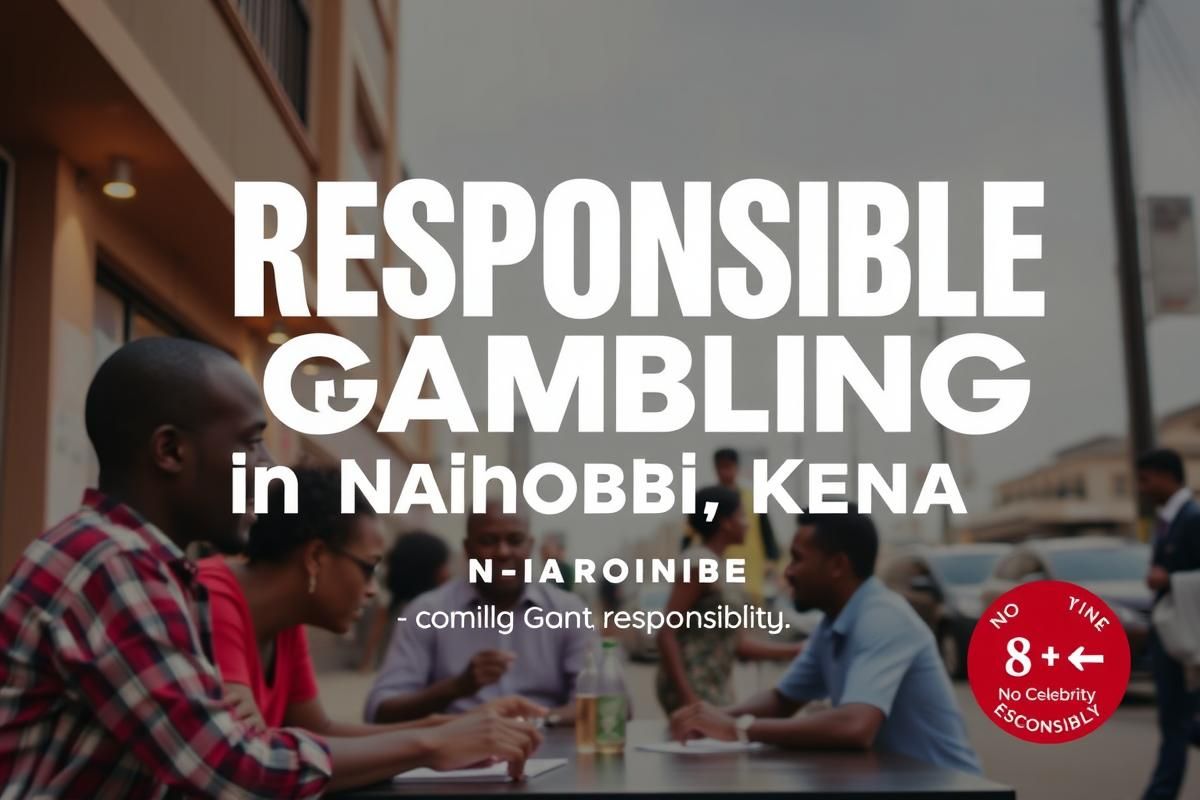
Kenya’s recent ban on influencer participation in gambling advertisements underscores the government’s commitment to protecting public well-being. While the move seeks to shield minors and vulnerable groups, it has encountered backlash from influencers concerned about their livelihoods and creative freedoms. The ongoing dialogue between the BCLB and creators could pave the way for balanced solutions—a framework aligning ethical promotion practices with the needs of the digital economy. The outcome of these discussions will undoubtedly influence Kenya’s gambling and creative landscapes for years to come.