

The Kenyan government has announced monumental changes to its betting and gaming taxation system, significantly lowering excise duty and withholding tax rates. Starting July 1, 2025, these reforms aim to stimulate market growth while enforcing stricter tax collection mechanisms.
Key Details of the New Tax Framework
Lower Excise Duty for Betting and Gaming
Previously, the excise duty stood at 15%, a major challenge for both players and operators. With the new law, excise duty will be reduced to just 5%. Notably, this tax will now be collected when funds are deposited from a mobile wallet into a betting wallet, rather than at the time of placing a bet. This adjustment ensures fairness across all forms of gaming, including lotteries and prize competitions.
Significant Reduction in Withholding Tax on Winnings
The withholding tax levied on player winnings has been slashed drastically—from 20% to 5% on withdrawals. This change means that players will now retain a larger portion of their winnings, incentivizing further engagement in the market.
Tax Collection Point Shift
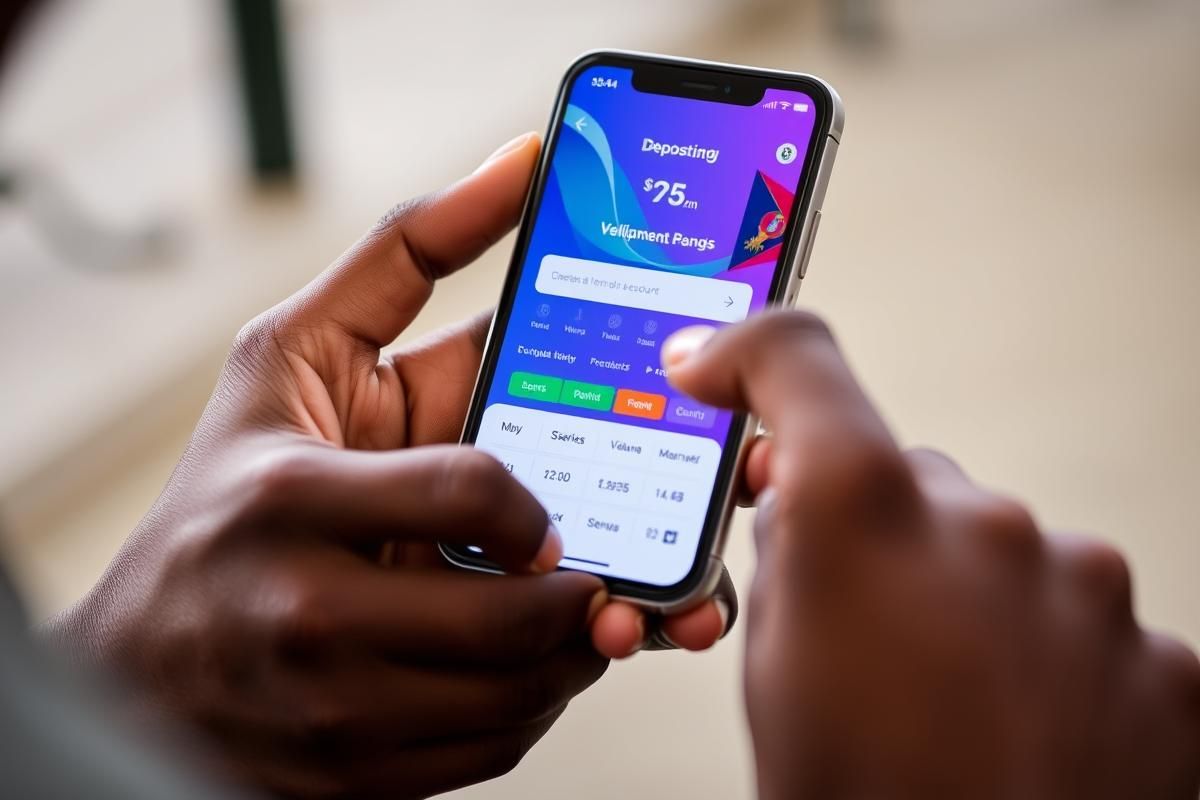
The new framework streamlines the tax point, requiring tax to be collected when funds leave mobile wallets and enter betting accounts. This strategic move leverages Kenya’s advanced mobile money infrastructure to ensure higher tax compliance and eliminate loopholes commonly exploited by foreign or virtual operators.
Expected Impact on the Betting Industry
- Higher Participation: Lower taxes are set to attract more players, increasing overall activity within the betting and gaming ecosystem.
- Increase in Player Retention: By allowing players to keep more of their winnings, higher retention rates are anticipated, particularly among casual bettors.
- Encouragement for Operators: The friendlier tax regime is expected to spur business growth, especially for local operators who may have struggled under previous policies.
- Concerns over Excessive Gambling: Some experts warn that the lowered barriers to entry may lead to over-indulgence, especially among youth and vulnerable populations.
Challenges and Opportunities Moving Forward
The Kenyan government’s tax reforms bring mixed reactions. While they present opportunities to expand the country’s gaming market, regulatory oversight will be critical to address potential risks effectively.
Can the Industry Adapt Quickly?
Operators must align their systems with the revised tax rules to maximize the potential business benefits. This includes integrating mobile money mechanisms for seamless compliance with the updated tax collection methods.
Balancing Growth and Protection
Striking the right balance between fostering industry growth and preventing over-gambling among the population will determine the long-term success of the reforms. Stakeholders, including government agencies and licensed operators, must collaborate on responsible gambling initiatives.
As Kenya charts a new course for its betting and gaming industry, the next few years will reveal whether these tax cuts deliver on their promise of growth or contribute to further societal challenges.