As Typhoon Wipha brought extreme weather to Macau in July 2025, authorities made the unprecedented decision to keep all casinos operational under Typhoon Signal No. 10. This approach balanced public safety and economic pressures while ensuring shelter for patrons and staff. Here’s how Macau’s gaming sector responded during this natural crisis.
Regulatory Decision and Safety Rationale
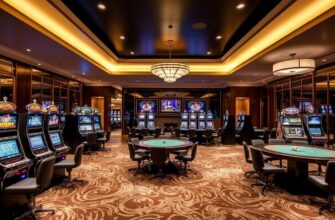
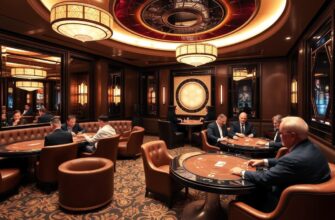
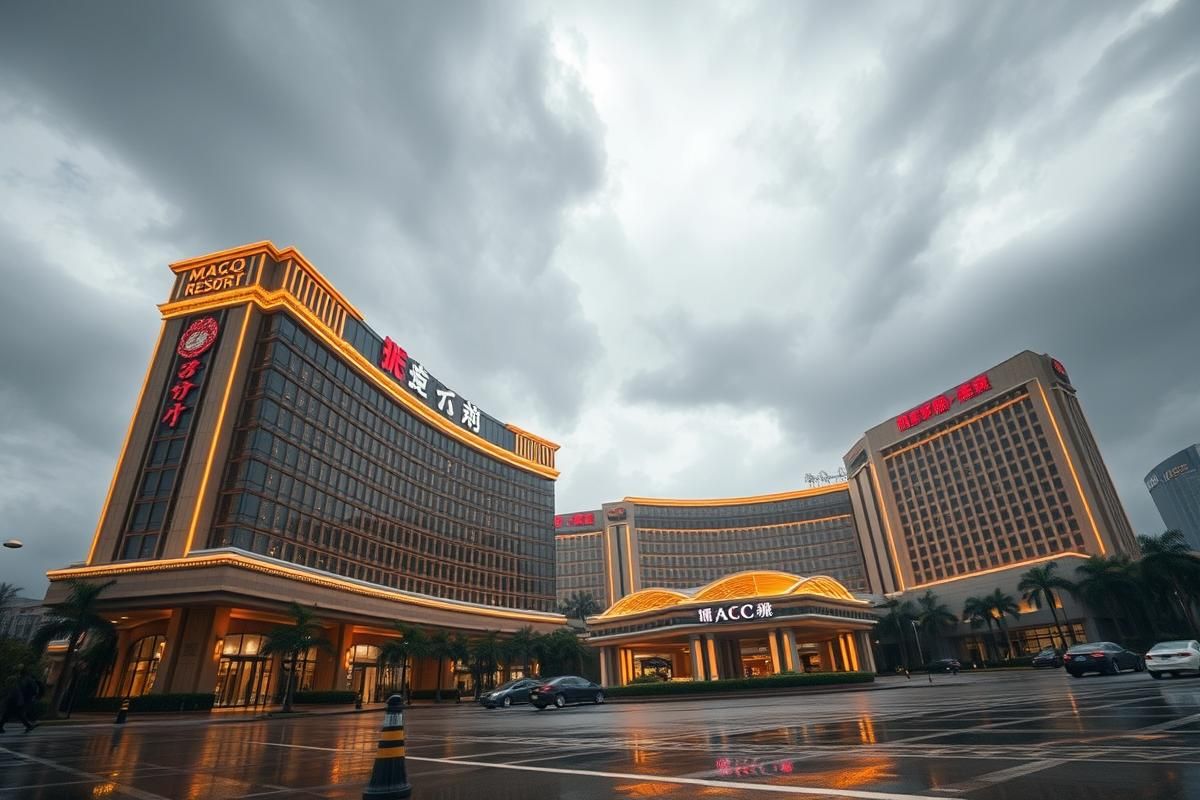
On July 20, 2025, the Gaming Inspection and Coordination Bureau (DICJ) opted to keep casino resorts in Macau open as Typhoon Wipha battered the region. This marked a departure from prior practices, such as the complete closure of casinos during Typhoon Saola in 2023. Regulators explained that shutting down casinos could inadvertently force workers and guests to venture outdoors into hazardous conditions or navigate non-operational transport systems, increasing risks.
Key Instructions to Gaming Operators
- Ensure continuous safety and operational readiness across all facilities.
- Provide shelter accommodations and rest areas for patrons and employees.
- Protect the rights of workers, including fair compensation and mandated rest during the storm.
This policy was particularly significant as many casino staff live outside Macau’s central areas, making commuting impossible during extreme weather due to transportation shutdowns and closed borders.
Safety and Operational Measures During Typhoon Wipha
While casinos remained open, most other sectors in Macau were temporarily halted due to the typhoon. Authorities adopted stringent safety measures citywide, including:
- Cancelling nearly 200 flights from Macau International Airport.
- Suspending ferry services and local public transportation, including casino shuttle buses.
- Closing major border checkpoints, such as the Gongbei and Qingmao crossings, effectively isolating the city during the storm.
Gaming operators were also instructed to implement proactive safety protocols to keep everyone indoors until the typhoon weakened. Fortunately, no casualties or severe property damage to casinos were reported, and compliance monitoring by the DICJ ensured that these measures were upheld effectively.
Economic and Industrial Outcomes
Despite avoiding major losses of life or infrastructure damage, Typhoon Wipha caused economic disruptions, notably in the tourism and gaming industries:
- Tourist arrivals dropped sharply as travel cancellations skyrocketed, negatively impacting July’s revenue figures.
- Although Macau’s gaming sector has shown signs of recovery post-pandemic, revenue remains approximately 20% below 2019 levels, and the typhoon hindered progress further.
Industry analysts view Macau’s response as a strategic approach to balance safety with economic continuity—an important lesson for disaster management in regions dependent on the gaming sector.
Conclusion
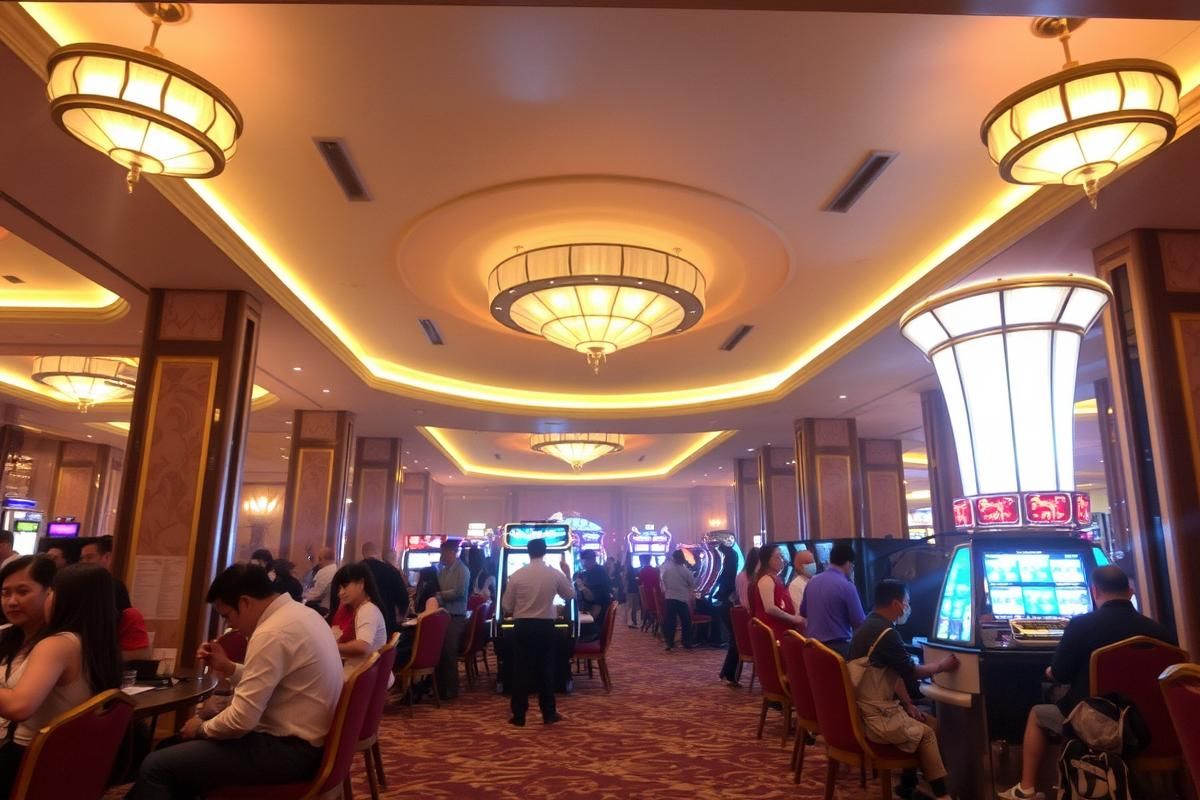
The decision to keep casinos operating during Typhoon Wipha reflects a nuanced strategy to address extreme weather challenges without jeopardizing public safety. By prioritizing indoor shelters and minimizing outdoor movement, Macau safeguarded its economic interests and its people. This approach may become a model for other gaming jurisdictions facing similar climate-related challenges in the future.