
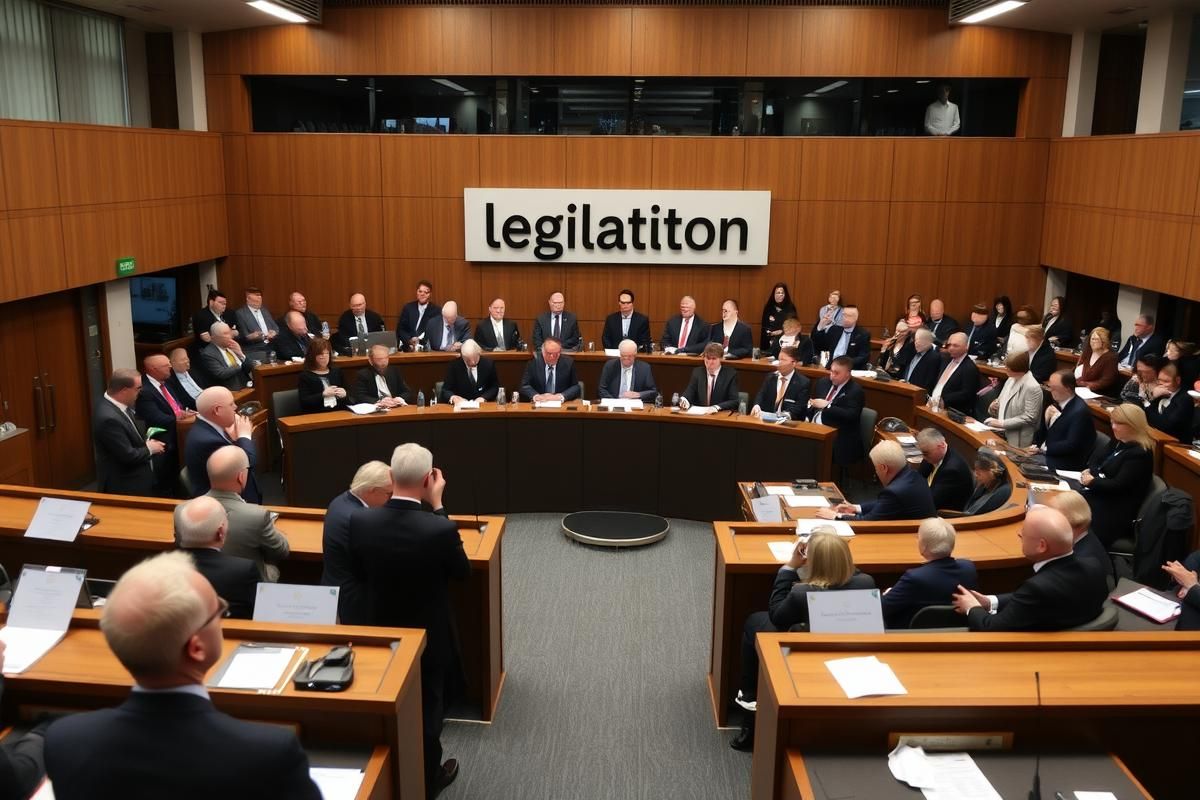
New Zealand’s journey to regulate online casino gambling took a major step forward as the iGaming Bill passed its first reading in Parliament on 15 July 2025. With a vote of 83 to 39, the bill aims to establish a regulated framework for iGaming while offering robust player protections.
- Key Highlights of the New Zealand iGaming Bill
- Market Structure and Licensing
- Player Protection Measures
- Implementation Timeline
- Political and Industry Reactions to the Bill
- Support From Proponents
- Concerns Highlighted by Opponents
- Challenges and Legal Insights
- Next Steps in the Legislative Process
- Conclusion
Key Highlights of the New Zealand iGaming Bill
The iGaming Bill, introduced by Minister of Internal Affairs Brooke van Velden, proposes a significant shift from unregulated offshore gambling activity to a controlled, licensed market. Below are the key elements outlined in the bill:
Market Structure and Licensing
- The bill proposes the legalization of online casino gambling.
- Up to 15 licensed operators will be permitted within the market.
- Each licence will be valid for three years and allocated via an auction process.
Player Protection Measures
- Minimum gambling age set at 18 years.
- Strict penalties against non-compliant operators.
- Mandatory standards for harm reduction and player safety.
Implementation Timeline
If the bill progresses successfully through Parliament, the first group of licensed operators is expected to be operational by July 2026. The Governance and Administration Committee will now review the bill for further refinement and public consultation.
Political and Industry Reactions to the Bill
The iGaming Bill has sparked diverse opinions across political parties and industry stakeholders.
Support From Proponents
Supporters, including members of the ruling coalition, applaud the bill’s efforts to address unregulated offshore gambling and its emphasis on player protection. Minister Brooke van Velden highlighted the bill’s focus on “robust safety measures” to mitigate harm and improve regulatory oversight.
Concerns Highlighted by Opponents
Critics, such as Labour MP Lemauga Lydia Sosene, argue that the bill lacks adequate harm minimization measures. Opposition members have called for stronger safeguards and clearer regulations to ensure consumer protection and reduce gambling-related risks.
Challenges and Legal Insights
Legal experts raised concerns about the bill’s limited regulatory details, warning that this could delay the market’s launch in 2026. Further issues include the potential for stringent regulations to push players back to unregulated platforms, undermining the bill’s objectives.
Next Steps in the Legislative Process
The next stage for the iGaming Bill is a thorough review by the Governance and Administration Committee. The committee will gather public feedback and consider amendments before the bill returns to Parliament for subsequent readings. The government intends to finalize legislation by the end of 2025.
Conclusion

The passage of the first reading highlights New Zealand’s commitment to curbing unregulated gambling and introducing a controlled iGaming market. With strong political backing yet legitimate concerns over harm prevention and regulatory gaps, the bill’s progress through select committees will be crucial in shaping its final structure. By addressing these concerns, New Zealand could pioneer a safe and transparent iGaming industry.