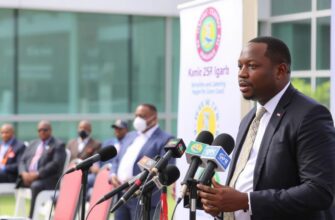

As global scrutiny around financial crimes increases, the Philippines Department of Justice (DOJ) is taking critical steps to strengthen its anti-money laundering (AML) framework. With mounting international investigations highlighting vulnerabilities, these reforms aim to boost transparency and compliance with global standards.
International Efforts Intensify AML Prosecutions
U.S. DOJ’s Active Role in Philippines-Related Cases
The U.S. Department of Justice (DOJ) has signaled its commitment to pursuing high-profile Foreign Corrupt Practices Act (FCPA) cases, many of which involve the Philippines. Key actions include:
- Trials concerning bribery and money laundering involving Philippine officials or intermediaries.
- Leveraging conspiracy charges to ensure individuals, particularly those implicated in bribery schemes, are held accountable.
- Defendants in these cases often challenge the sufficiency of the legal frameworks, creating jurisdictional debates.
Increasing Enforcement Trends
In recent years, the frequency of prosecutions against individuals in international money laundering cases has increased. Since 2023, enforcement actions targeting bribery and illicit financial flows have surpassed previous annual averages. This strategic focus on prosecuting individuals highlights international agencies’ determination to tackle cross-border corruption effectively.
Implications for the Philippines
Domestic Challenges and Changes
The international AML spotlight on the Philippines underscores the importance of aligning with evolving global frameworks. Recent developments have placed pressure on Philippine institutions to:
- Invest in updated legal instruments that address modern financial crimes.
- Coordinate with international organizations to close existing regulatory gaps.
- Respond to high-profile cases with transparency and accountability.
Legal Complexity and Responses
Defendants in ongoing cases are actively scrutinizing AML statutes to identify potential loopholes. This places additional pressure on Philippine policymakers to modernize their judicial system. The DOJ’s actions moving forward will be pivotal in fostering local and international trust.
What Lies Ahead for AML in the Philippines?

With financial crimes evolving and international regulations tightening, the Philippines DOJ faces significant hurdles in combating anti-money laundering effectively. Moving forward, policymakers must prioritize:
- Improved collaboration with global enforcement bodies like the U.S. DOJ.
- Transparent enforcement of AML statutes to deter future corruption.
- Education campaigns to help businesses and banking institutions maintain compliance with AML requirements.
By strengthening its domestic AML strategy and cooperating internationally, the Philippines can address these pressing challenges while ensuring long-term economic integrity.