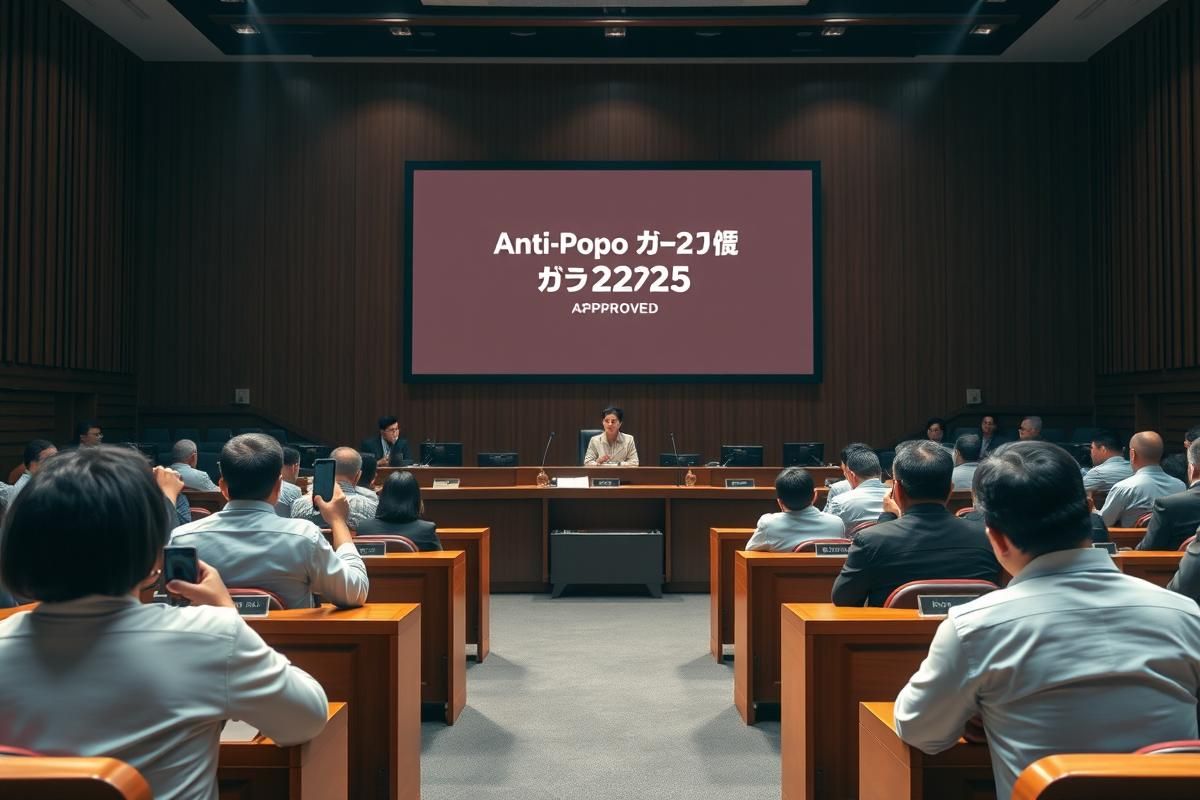
The controversial era of Philippine Offshore Gaming Operators (POGOs) has officially ended with the passage of the Anti-POGO Act of 2025. This landmark legislation bans offshore gaming operations, marking a new chapter for the country’s gaming industry and prioritizing public welfare over problematic revenue sources.
Understanding the Rise and Fall of POGOs
Since their legalization under Republic Act 11590, POGOs have been a key player in the Philippine gaming sector. Initially lauded as a revenue stream for the government, they soon became embroiled in criminal activity, regulatory loopholes, and public disapproval. Concerns included links to organized crime, human trafficking, and cyber-related scams.
Key Highlights of the Anti-POGO Act
The unanimous approval of the Anti-POGO Act (Senate Bill 2868) in June 2025 brings sweeping regulatory changes to the Philippine gaming landscape:
- Total Ban on Offshore Gaming: Offshore gaming operations, including the support and establishment of POGO hubs, are now prohibited within the country.
- Asset Forfeiture: All POGO-related equipment and properties will be confiscated to prevent their use in illegal gaming activities.
- Repeal of Existing Framework: Republic Act 11590, which formerly legalized POGOs, has been repealed in its entirety.
- Accountability: The law penalizes individuals or groups who facilitate POGO activities, including those assisting with illegal documentation for operators or their employees.
- Enhanced Oversight: An Administrative Oversight Committee, led by the Presidential Anti-Organized Crime Commission (PAOCC), will ensure effective enforcement of the ban and preempt emerging threats.
Public Welfare Over Profit
Prominent lawmakers like Senators Sherwin Gatchalian and Risa Hontiveros emphasized the need to address the criminality associated with POGOs. Senator Gatchalian labeled the industry a “POGO menace” detrimental to society. Lawmakers collectively agreed the social costs outweighed the financial gains, with the legislation reflecting the public’s demand for a safer community.
Impact on the Philippine Gaming Industry
Despite POGO operators exiting the stage, the local gaming industry demonstrates resilience. According to the Philippine Amusement and Gaming Corporation (PAGCOR), Gross Gaming Revenue (GGR) rose by 25% in 2024, driven by increased participation in legal, domestically-focused gaming activities such as E-Games and E-Bingo. This growth reflects a consumer shift towards regulated platforms, boosting public trust in the industry.
Future Directions
The implementation of the Anti-POGO Act signals an era of stronger regulatory frameworks for the Philippine gaming sector. Authorities aim to foster a transparent and domestically oriented industry prioritizing public safety while encouraging responsible gaming practices.
Conclusion

The Anti-POGO Act of 2025 reiterates the Philippines’ commitment to prioritizing national security and societal well-being over revenues from problematic gaming ventures. With robust enforcement strategies and growing potential in the local legalized gaming sector, the industry is poised for a more sustainable and trusted future.