
Philippine President Ferdinand “Bongbong” Marcos Jr. stirred significant public and industry discussion by omitting any mention of an online gambling ban during his much-anticipated 2025 State of the Nation Address (SONA). This absence leaves the future of the booming Philippine online gaming industry uncertain.
Legislative Push for Online Gambling Reforms
In recent times, legislators have ramped up calls for stricter controls on online gambling amidst concerns about its social and financial implications. Policy suggestions from lawmakers include:
- Senate Bill 142: A bill proposing a complete ban on all online gambling platforms.
- Stronger advertising regulations: Proposed limits on advertising to prevent gambling addiction, especially among youth.
- Higher taxation: Suggestions to impose increased taxes on online gambling revenues to bolster government funds.
- Debit and deposit caps: Financial controls aimed at mitigating reckless gambling habits.
In comparison, Marcos’ 2024 SONA notably resulted in the closure of Philippine Offshore Gaming Operators (POGOs) due to national security risks. However, his reticence to address online gambling in 2025 has left regulatory intentions ambiguous.
Online Gambling’s Economic Impact
The online gaming industry continues to contribute significantly to the Philippine economy. As per PAGCOR (Philippine Amusement and Gaming Corporation), eGames generated Php51.4 billion (approximately $896.1 million) in revenue during Q1 2025 alone, forming a substantial share of national gross gaming profits. Such figures highlight the dilemma faced by policymakers between fostering economic growth and attending to public well-being concerns.
Public, Industry, and Policy Reactions
Public and Legislative Frustrations
The public has been vocal about the social risks posed by online gambling, including addictive tendencies, debt accumulation, and family breakdowns. Some legislators expressed disappointment at the President’s silence, with a few denouncing it as a failure to address an issue deeply intertwined with economic and social justice goals.
Industry Analysis: Potential Benefits of Policy Restraint
Within the gaming sector, opinions are mixed regarding the President’s decision not to outline changes in regulatory direction. Key perspectives include:
- Concerns over regulatory uncertainty: Industry stakeholders warn the lack of clarity may hinder investment and compliance efforts.
- Advocacy for evidence-based reform: Experts like Marie Antonette “Tonet” Quiogue from Arden Consulting argue this pause allows for deeper policy research and avoids reactionary decisions, ensuring long-term stability.
Instead of unilateral executive action, policy proponents argue the future regulatory and operational frameworks should emerge from collaborative debates involving legislators, gaming regulators like PAGCOR, and industry experts.
Outlook for the Philippine Online Gambling Industry
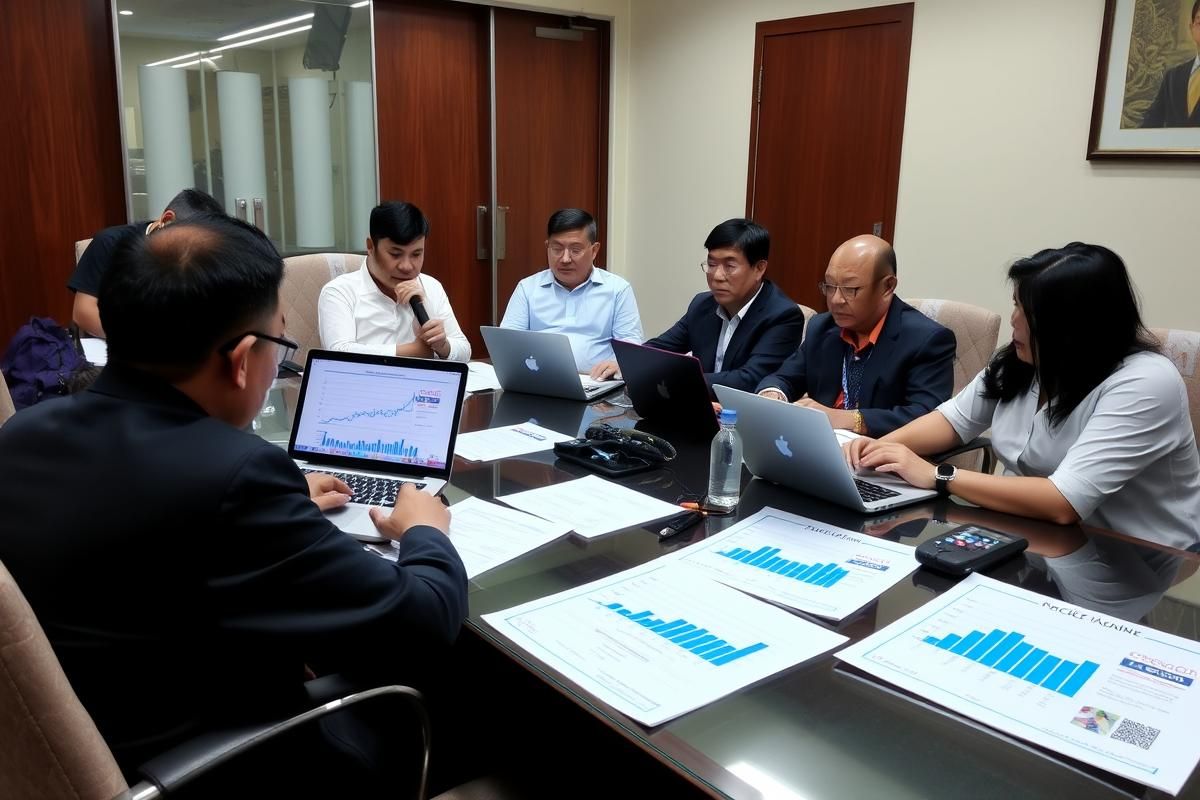
The absence of a definitive stance in the 2025 SONA neither curtails nor bolsters the online gaming industry. While operators continue benefitting from sustained legality, legislative debates in the upcoming months will determine whether restrictions, higher taxes, or outright bans emerge in the future. Stakeholders anticipate that Congress and PAGCOR could steer a balanced framework that addresses public health concerns while maintaining economic benefits.
Although the delayed response may frustrate some, it leaves room for comprehensive, data-backed policies capable of fostering both responsibility in gambling and sustainable industry growth.