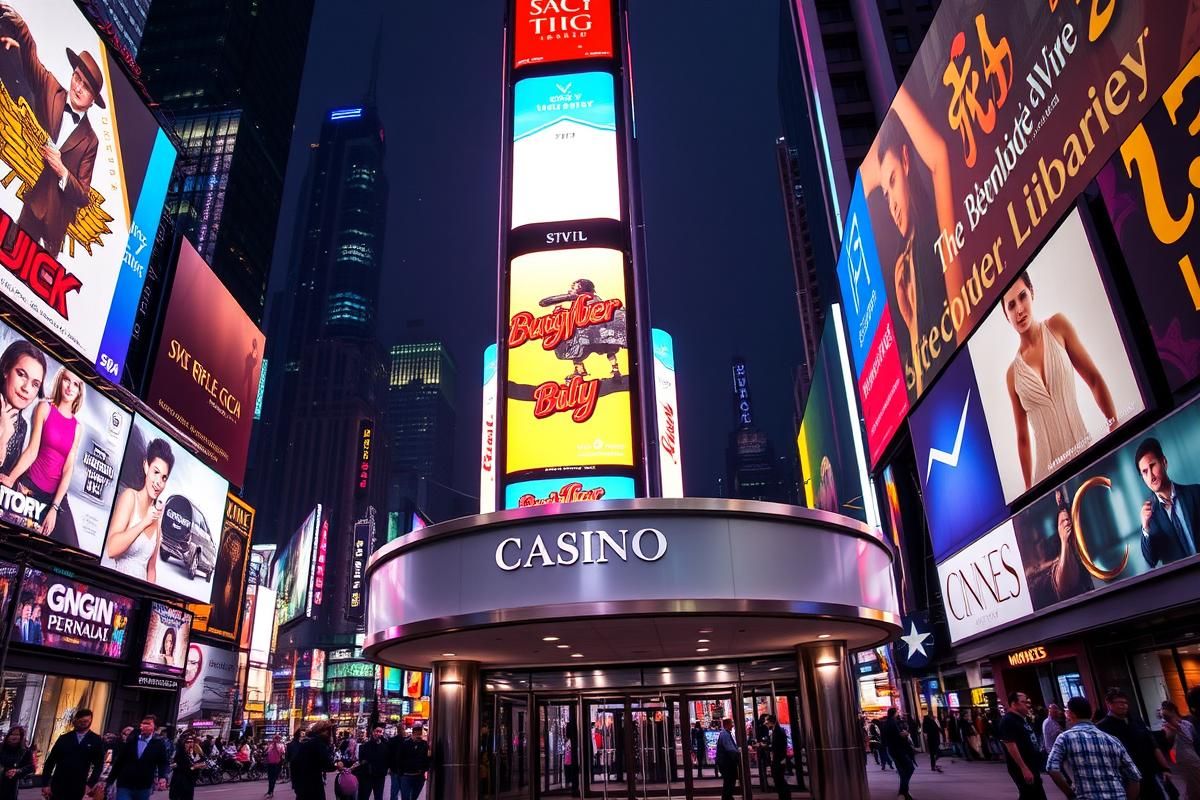
Caesars Entertainment, in partnership with SL Green Realty and Roc Nation, is eyeing a transformative Times Square casino project. With a $5.4 billion proposal, Caesars’ new backer, Reverend Al Sharpton, adds significant weight to the bid — raising questions, debates, and hope for economic rejuvenation.
- Caesars’ Times Square Casino Proposal Overview
- Rev. Al Sharpton’s Endorsement: Why It Matters
- Sharpton’s Support and Strategic Significance
- Key Implications of Sharpton’s Backing
- Community Responses to the Times Square Casino Proposal
- Support from Hospitality and Entertainment Stakeholders
- Local Opposition Remains Strong
- The Road Ahead: Competition and Licensing Decisions
- Conclusion
Caesars’ Times Square Casino Proposal Overview
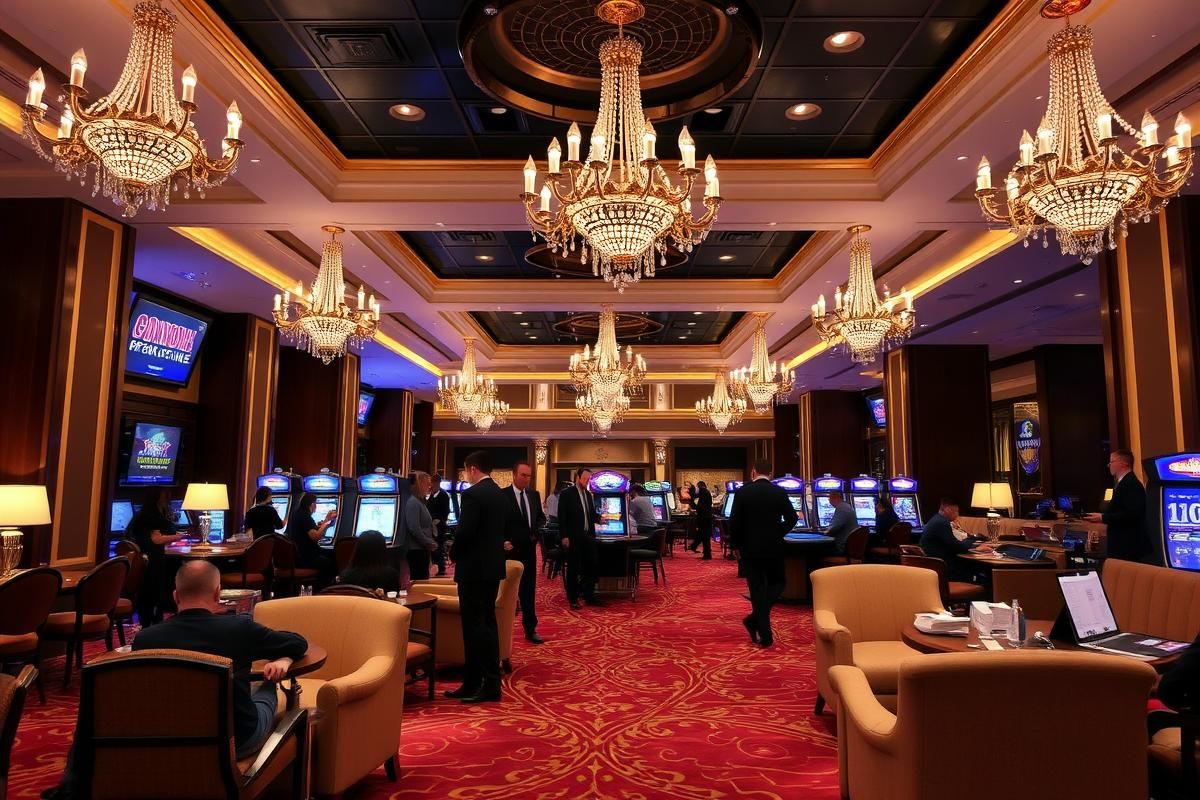
The proposed project at 1515 Broadway in Times Square, New York aims to repurpose an existing structure into a luxury entertainment resort. The casino will include:
- A 992-room luxury hotel.
- A rooftop observatory with stunning city views.
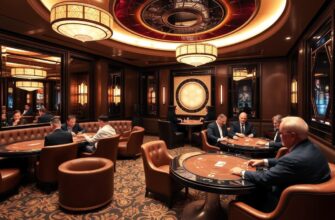
- A spa, a theater, and fine dining options.
- An exclusive gaming lounge located above street level, hidden from public view.
Caesars, one of eight contenders for three downstate New York gaming licenses expected to be granted later this year, has emphasized that their proposal is tailored to complement, not disrupt, local businesses and Times Square’s identity.
Rev. Al Sharpton’s Endorsement: Why It Matters
Sharpton’s Support and Strategic Significance
In June 2025, Reverend Al Sharpton joined the project as a highly influential backer. Known for his civil rights and community advocacy efforts, Sharpton’s support brings credibility to the long-debated Times Square casino. His endorsement is particularly notable given his past criticism of gambling expansion, which underscores the proposal’s perceived benefits for minority communities and local economic development.
Key Implications of Sharpton’s Backing
Sharpton’s involvement highlights the project’s alignment with promises of community engagement, employment opportunities, and minority business inclusion. His endorsement comes alongside real estate mogul Ryan Williams, who believes in the potential for innovative local investment through the project. Together, these endorsements strengthen Caesars’ position in rallying support amidst opposition.
Community Responses to the Times Square Casino Proposal
Support from Hospitality and Entertainment Stakeholders
The project has received positive reception from:
- Hotel operators and theater owners: They view the casino as a driving force to increase attendance and generate revenue.
- Prominent supporters: With Rev. Sharpton and Ryan Williams on board, Caesars gains new allies in community and economic skeptics.
Local Opposition Remains Strong
Despite prominent backing, a coalition of 35 organizations — including labor unions, arts groups, and small businesses — remains firmly opposed under the banner of the “No Times Square Casino Coalition.” Concerns include:
- Potential escalations in congestion and public safety issues.
- A risk of diverting clientele from existing restaurants, theaters, and local attractions.
The coalition argues that a casino may disrupt Times Square’s delicate ecosystem while failing to deliver on proposed social benefits.
The Road Ahead: Competition and Licensing Decisions
The Caesars Palace Times Square proposal is among the strongest bids for a downstate casino license, competing against seven other projects, including contenders in Hudson Yards and Queens. However, its success hinges on navigating strong local resistance while maintaining its vision for sustained community impact.
Conclusion
Reverend Al Sharpton’s endorsement energizes Caesars Entertainment’s campaign for a Times Square casino, elevating its appeal amid fierce competition. While community and business allies rally behind the project, opposition voices signal that challenges remain. The final licensing decisions by New York state regulators will determine whether Caesars can redefine Times Square as a hub for luxury entertainment.