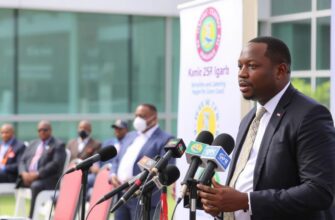
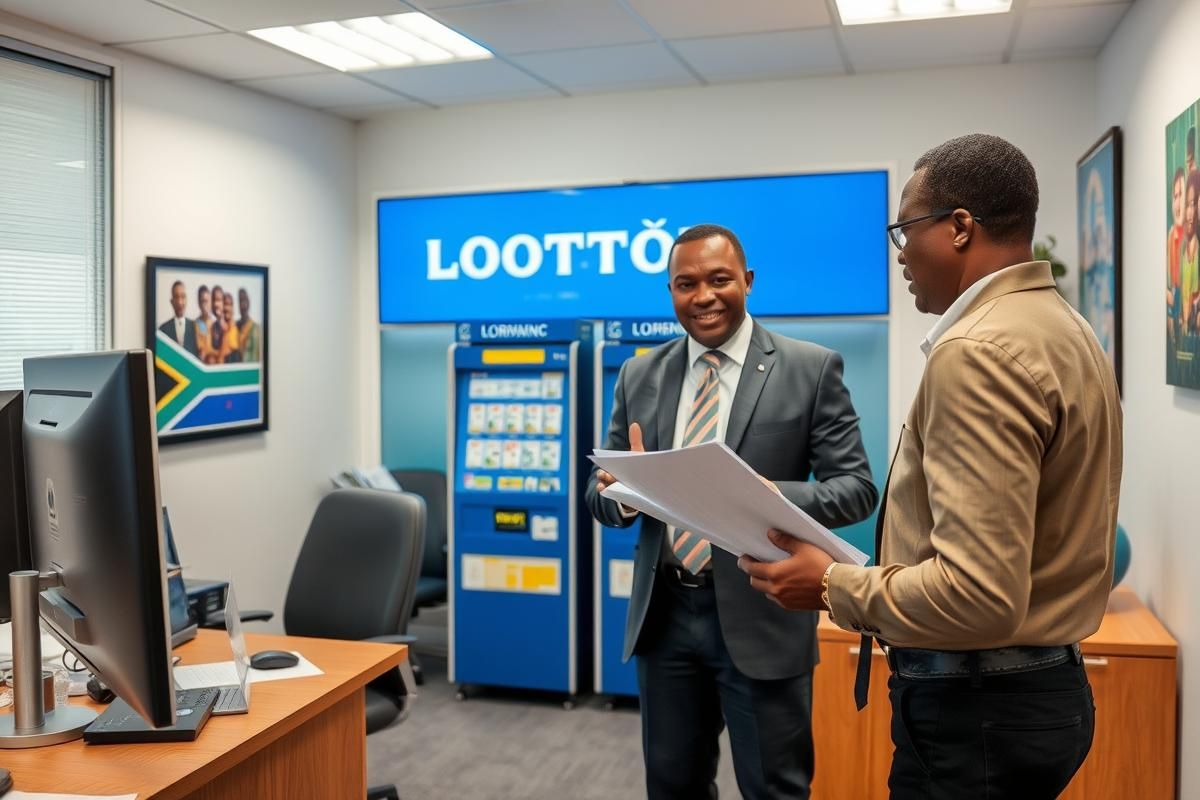
South Africa’s National Lottery narrowly avoided a prolonged shutdown, but legal disputes and licensing concerns are keeping the industry on edge. What does this mean for businesses and communities reliant on lottery funding?
Legal Disputes and Challenges in Lottery Transition
The South African lottery system faced a significant crisis with threats of a nine-month suspension due to a licensing dispute. The Pretoria High Court rejected the National Lotteries Commission’s (NLC) plea to extend Ithuba’s operating license beyond May 2025. This rejection led to fears of a looming blackout across the lottery infrastructure.
Impacts of a Potential Shutdown
If the shutdown had occurred, the consequences would have been far-reaching. The halt would have disrupted community development initiatives, small businesses, and prize payouts for millions of active participants. Ithuba estimated financial losses of R51 million if only a short-term extension had been granted.
Averting Crisis: The Last-Minute Agreement
Fortunately, a last-minute solution was reached. Ithuba agreed to continue operations under revised conditions, ensuring uninterrupted draws, games, and payouts. This compromise provided immediate relief to stakeholders, including small business vendors and community projects dependent on lottery-funded initiatives.
Concerns About Future Licensing
The licensing dispute stems from Ithuba’s exclusion in favor of Sizekhaya Holdings, which is set to take over operations in June 2026. Ithuba, a black-owned South African operator, emphasized its investments in local infrastructure, including the establishment of an African Central Lottery System. The company criticized the decision, arguing it undermines local economic empowerment and progress.
The Broader Economic and Social Impact
A functional lottery system plays a crucial role in South Africa’s economy. It not only funds community programs but also supports employment and small businesses. Any disruption to this system would trickle down to affect local economies and households reliant on these funds. Vendors and smaller enterprises particularly would bear the brunt of a potential shutdown.
Calls for Transparency and Public Confidence
Many stakeholders, including Build One South Africa (BOSA), are calling for a revamp of the licensing process. The goal is to address transparency concerns and restore faith in the system. Public trust is vital for the lottery to maintain its community-driven mission and economic sustainability.
Outlook and Industry Stability
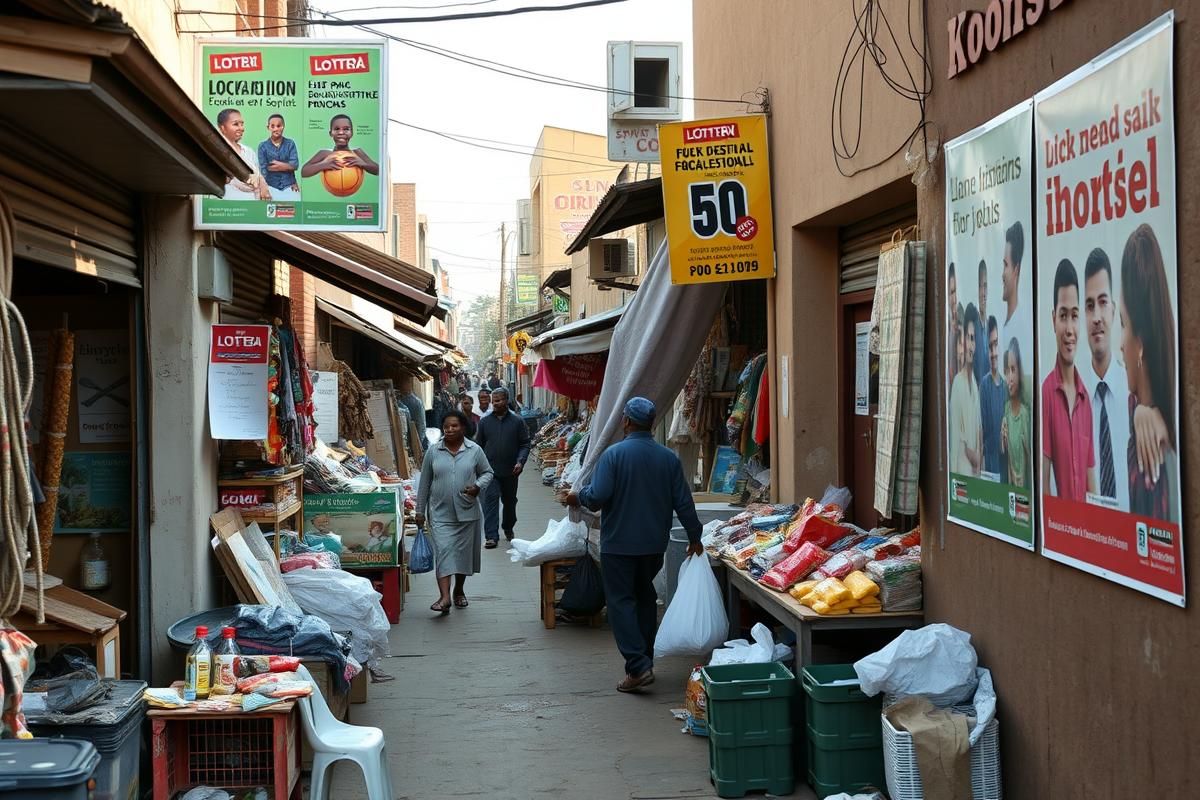
While the immediate crisis has been averted, the long-term stability of South Africa’s lottery system remains uncertain. The transition to Sizekhaya Holdings in 2026 and unresolved legal disputes highlight the need for clear communication and fair processes within the industry. Stakeholders will be closely watching the developments as the potential for further challenges looms.
For now, the lottery system continues to operate, supporting essential community programs and economic ventures. However, both policymakers and operators must act to address core structural issues to prevent future disruptions.