

The UK’s proposed gambling tax reform has sparked concerns from the Betting & Gaming Council (BGC), highlighting a potential rise in black market gambling. This article explores the implications for players, industry stakeholders, and horseracing if the tax changes are implemented.
- Background: Major Changes to UK Gambling Taxes
- Concerns Raised by the Betting & Gaming Council (BGC)
- Survey Results Suggest Customers May Turn to Black Market Sites
- Player Safety at Risk
- Impact on Horseracing and the Economy
- Government’s Perspective
- BGC’s Advocacy for a Balanced Approach
- Conclusion: Achieving Balance in Tax Reform
Background: Major Changes to UK Gambling Taxes
The UK government is considering consolidating its current gambling tax framework into a single levy called the Remote Betting and Gaming Duty (RBGD). This system would replace the existing Remote Gaming Duty (21%), General Betting Duty (15%), and Pool Betting Duty (15%). While it aims to simplify taxation, the government has yet to finalize the tax rate under this unified approach. A public consultation on this tax regime runs through July 2025, with implementation potentially set for October 2027.
Concerns Raised by the Betting & Gaming Council (BGC)
Survey Results Suggest Customers May Turn to Black Market Sites
According to a YouGov survey commissioned by the BGC, approximately 65% of frequent players expressed concern that increased taxes could push them toward unregulated black market platforms. These platforms operate outside UK laws, avoiding taxes and lacking consumer protection measures.
Player Safety at Risk
BGC CEO Grainne Hurst emphasized that a rise in black market activity could undermine the UK’s high standards for player safety. Unregulated operators often neglect responsible gambling practices, leaving consumers vulnerable to financial exploitation or problem gambling behaviors.
Impact on Horseracing and the Economy
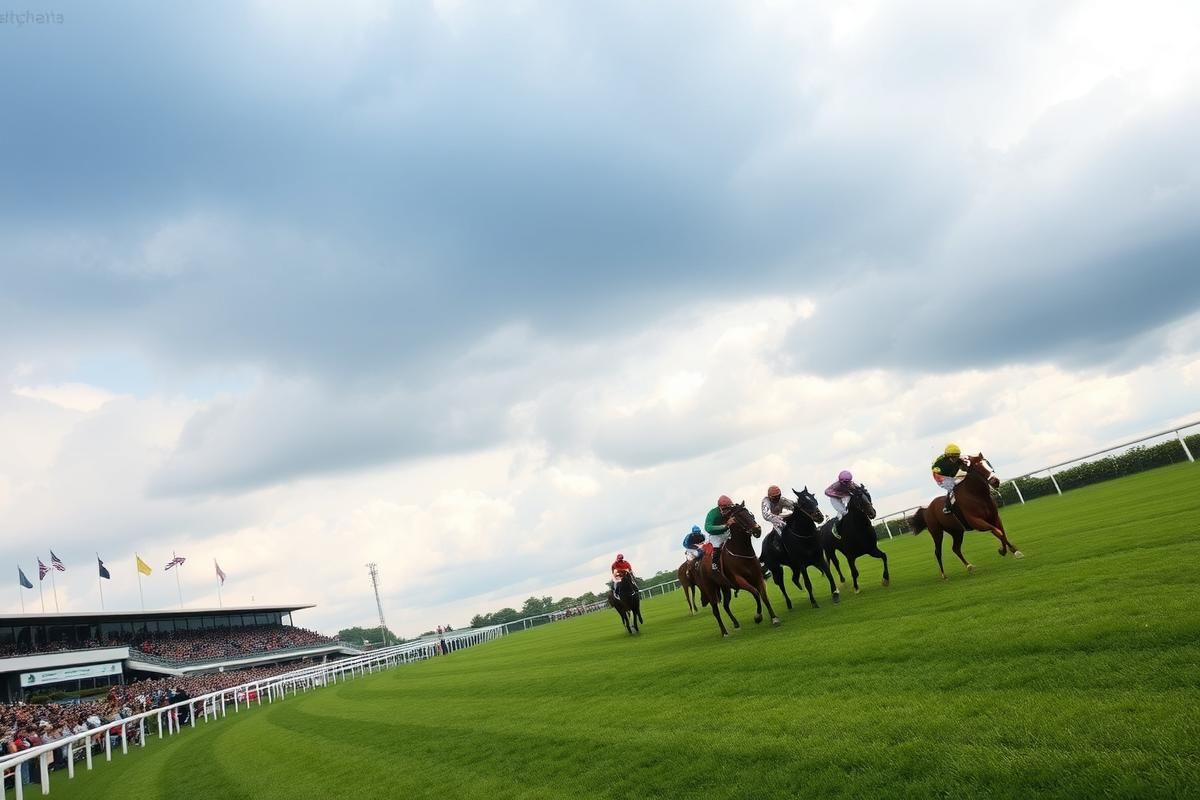
Horseracing, an industry deeply reliant on betting revenues, is likely to suffer if legal operators face additional tax burdens. The BGC warns that reduced profitability for betting companies could mean less financial support for horseracing events. Additionally, higher taxes may restrict job creation, growth, and investment in the UK gaming and betting industry.
Government’s Perspective
The UK government defends the proposed tax reform as a step toward modernization and simplification. By consolidating the current taxes into the RBGD system, they aim to create a fairer and more administratively efficient tax regime. Despite these goals, the government has not yet determined the specific tax rate for the new regime and continues to solicit feedback from industry stakeholders through the public consultation process.
BGC’s Advocacy for a Balanced Approach
The BGC continues to advocate for competitive tax policies that protect the regulated gambling sector. To raise awareness of the industry’s contributions, the trade body is encouraging policymakers to visit betting shops and engage with operators to better understand the potential consequences of a tax hike. They argue that balanced taxation is essential for sustaining jobs, public safety, and economic contributions from the gaming sector.
Conclusion: Achieving Balance in Tax Reform
The Betting & Gaming Council’s warnings underscore the potential risks of an unbalanced gambling tax reform. With two-thirds of UK punters indicating they may turn to unregulated sites in the wake of a tax hike, the government must carefully evaluate the broader implications. A balanced approach will be key to maintaining public safety, supporting horseracing, and fostering a sustainable regulated gambling market.