
The Australian Communications and Media Authority (ACMA) has penalized Betchoice Corporation, operating as Unibet, with a AU$1 million fine for failing to uphold self-exclusion rules under the Interactive Gambling Act 2001. This case highlights regulatory efforts to protect vulnerable users in the online gambling space.
Background on the ACMA Penalty
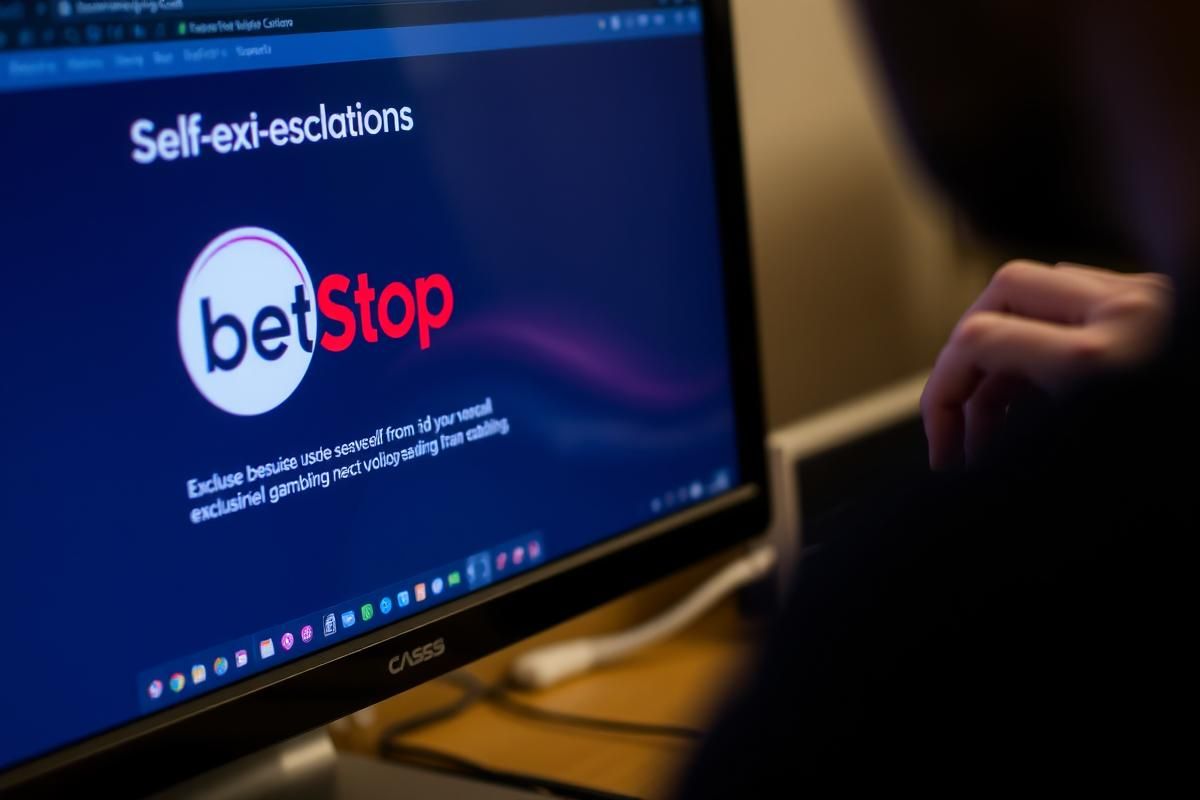
ACMA’s investigation revealed systemic failures by Unibet to comply with Australia’s gambling self-exclusion regulations. The specific breaches involved delays in account closures and violations impacting hundreds of registered users.
Details of the Breaches
- Unibet delayed the closure of 954 user accounts registered with BetStop, Australia’s National Self-Exclusion Register (NSER).
- 45 users were allowed to regain gambling access despite registering for self-exclusion.
- Some account closures were delayed beyond 190 days, including cases from the first day of NSER’s operation.
Although users couldn’t gamble during the exclusion period, post-deregistration failures enabled them to place wagers, undermining BetStop’s integrity.
Impact on Customers
The fallout from these compliance failures was significant:
- Thousands of wagers were placed via improperly reactivated accounts.
- An individual customer placed 1,200 post-exclusion bets despite supposed account closure.
The breach emphasized that lax enforcement of self-exclusion rules could lead to severe consequences for vulnerable gamblers.
ACMA’s Regulatory Response
Penalties and Undertakings
- Unibet has been fined AU$1.01 million for over 100,000 contraventions of the Interactive Gambling Act 2001.
- A two-year, court-enforceable undertaking requires Unibet to undergo independent compliance reviews and implement recommended improvements.
According to ACMA, adherence to Australia’s strict online gambling regulations is non-negotiable, and failures to uphold these standards will be met with strong penalties.
Commitments to Refunds
As part of its corrective measures, Unibet has voluntarily pledged to refund users whose accounts were improperly handled. This signals an effort to rebuild trust and rectify harm caused by compliance gaps.
Broader Implications for the iGaming Industry
ACMA’s strict response underscores the significance of harm minimization tools like BetStop in protecting consumers. The fine serves as a warning to operators in Australia and beyond:
- Regulatory non-compliance carries severe financial and reputational risks.
- Maintaining robust systems for self-exclusion is a critical part of modern gambling operations.
For African operators observing this case, the lesson is clear: a proactive approach to compliance ensures both user safety and business sustainability.
Conclusion
The AU$1 million fine levied against Unibet demonstrates Australia’s commitment to enforcing self-exclusion rules and holding operators accountable. As the iGaming industry grows globally, maintaining compliance with harm minimization frameworks will be critical to ensure player protection, regulatory approval, and market confidence.